
Water Extraction & Structural Drying
Water extraction and structural drying is the emergency first phase of a water loss — pumping out standing water, then drying framing, subfloor, and wall assemblies to a documented dry standard before anything gets rebuilt. Grandview performs extraction and drying across Utah County and Salt Lake County as a licensed Utah B100 general contractor, so the crew that dries your structure works under the same contract that rebuilds it.
If the water is still in the building, start here
This is the first hours of a loss: a burst supply line, a failed water-heater tank, an overflowed window well, a drain backup. If there’s standing water in front of you now, this phase comes first — everything else waits until the structure is verifiably dry.
If the water is already out and a room sits stripped to studs, you’re past this phase; go to flood damage rebuild. If the loss came with a hole in the building, securing the envelope through emergency stabilization and board-up comes first, or the drying fights the weather. An old, already-dry stain on a ceiling or wall calls for the lighter fix: water-damaged drywall replacement.
Utah losses run on a calendar. January pipe bursts cluster where supply lines cross unheated walls — the Wasatch Front logs a hundred-plus freeze-thaw days a year — and late-summer monsoon cloudbursts overwhelm window wells, because the expansive clay soils along the bench hold stormwater against foundations instead of letting it drain.
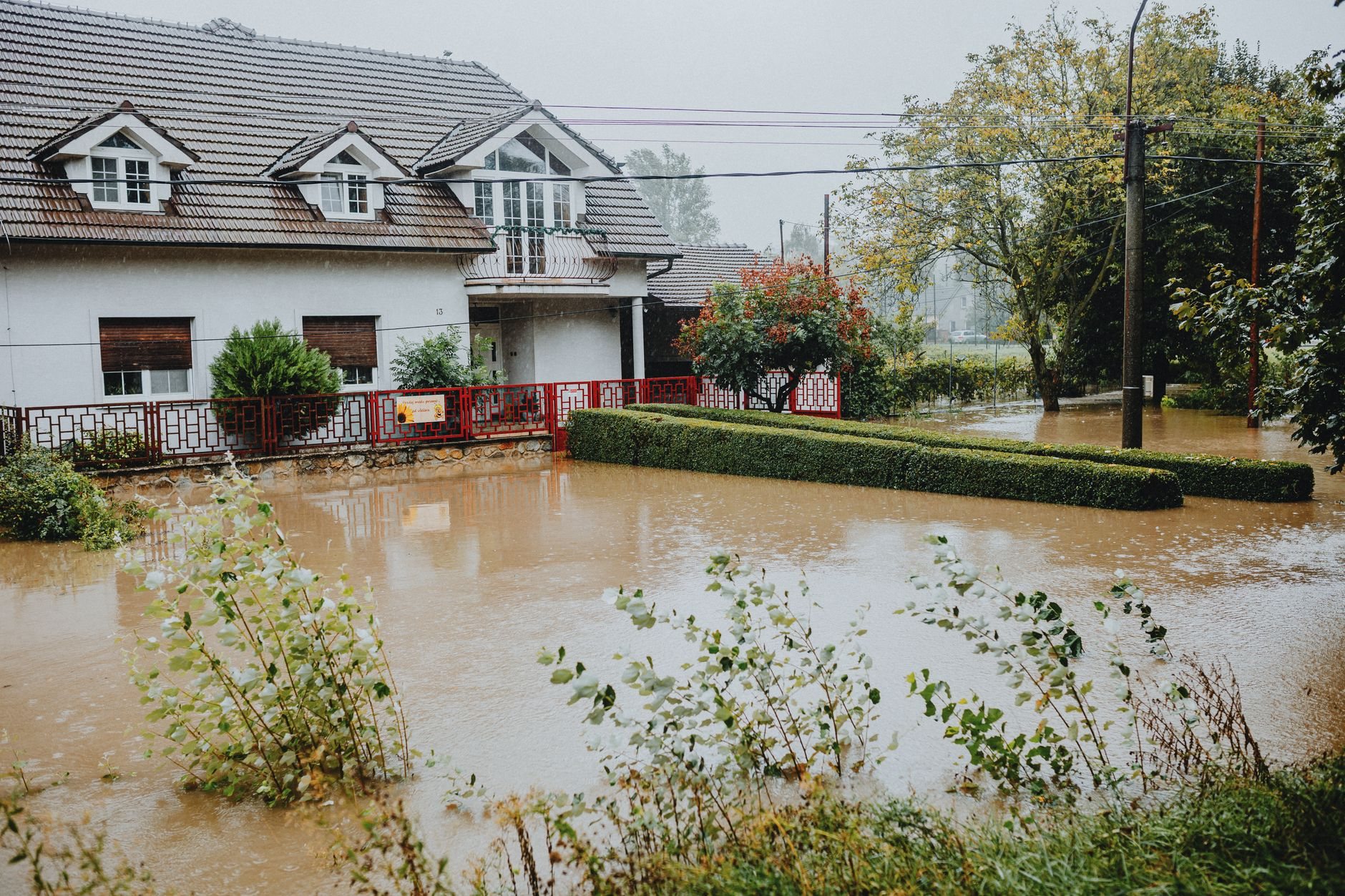
What extraction and structural drying involves
- Stop the source and make it safe. Water shut off at the fixture or main, power cut to circuits in the wet zone before anyone steps in.
- Extract standing water. Submersible pumps for depth, then weighted extraction wands that compress pad and carpet to pull out water a vacuum alone leaves behind.
- Map the moisture. Penetrating and pinless meters plus thermo-hygrometers, because water wicks up drywall and travels along bottom plates past the visible waterline. The map defines the drying chamber; guessing defines a mold problem.
- Remove what won’t dry. Carpet pad, saturated insulation, and drywall flood-cut to a clean line above the wicking mark. Contaminated water forces more removal, not more cleaning — porous materials that touched it come out.
- Build the drying chamber. Air movers angled along wet walls, low-grain-refrigerant dehumidifiers sized to the cubic footage, poly containment to shrink the volume being dried. Smaller chamber, faster dry.
- Monitor daily to a dry standard. Readings on framing, subfloor, and drywall logged daily until materials return to normal moisture content. The log goes in your file — your adjuster and your rebuild both depend on it.
Speed matters most. FEMA’s flood-recovery guidance puts mold growth on wet materials at roughly 24 to 48 hours, so same-day extraction beats a perfect plan next week. Utah’s dry climate helps at the margins, but a closed-up basement full of wet carpet makes its own humidity — equipment, not weather, dries a structure.
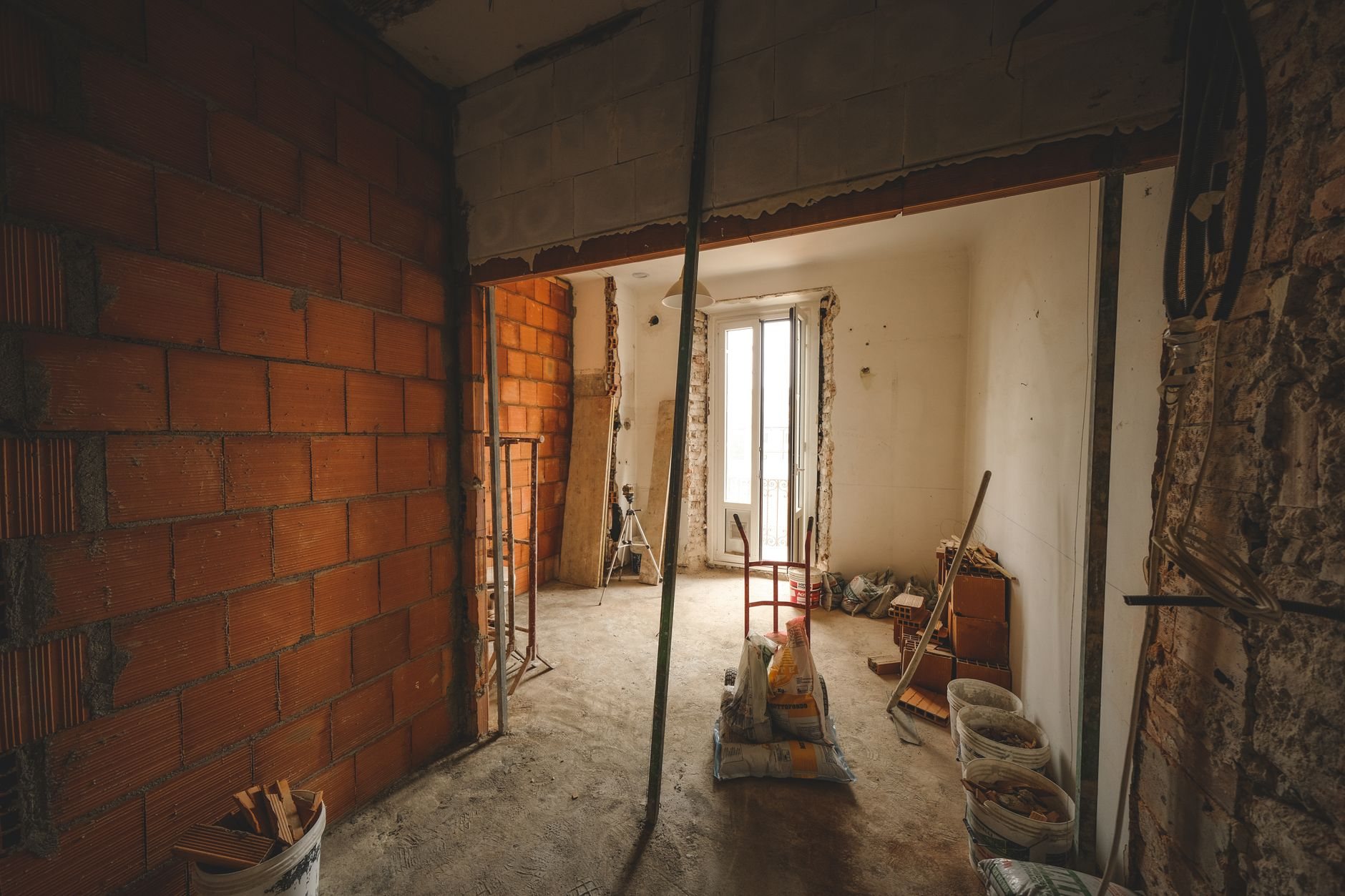
How long does structural drying take?
Most clean-water losses dry in three to five days with equipment running around the clock. Dense or layered assemblies stretch that: hardwood flooring, plaster walls, and double-layer subfloor can take a week or two, and hardwood is sometimes dried slowly on purpose to keep it flat and salvageable. The moisture readings decide the schedule, not the calendar.
During the drying window, expect a daily monitoring visit — readings taken, equipment repositioned, anything that stopped drying flagged early. The equipment is loud, but shutting it off overnight adds days to the dry-out. Once the log shows dry standard, the machines leave and the rebuild can be scoped the same week.
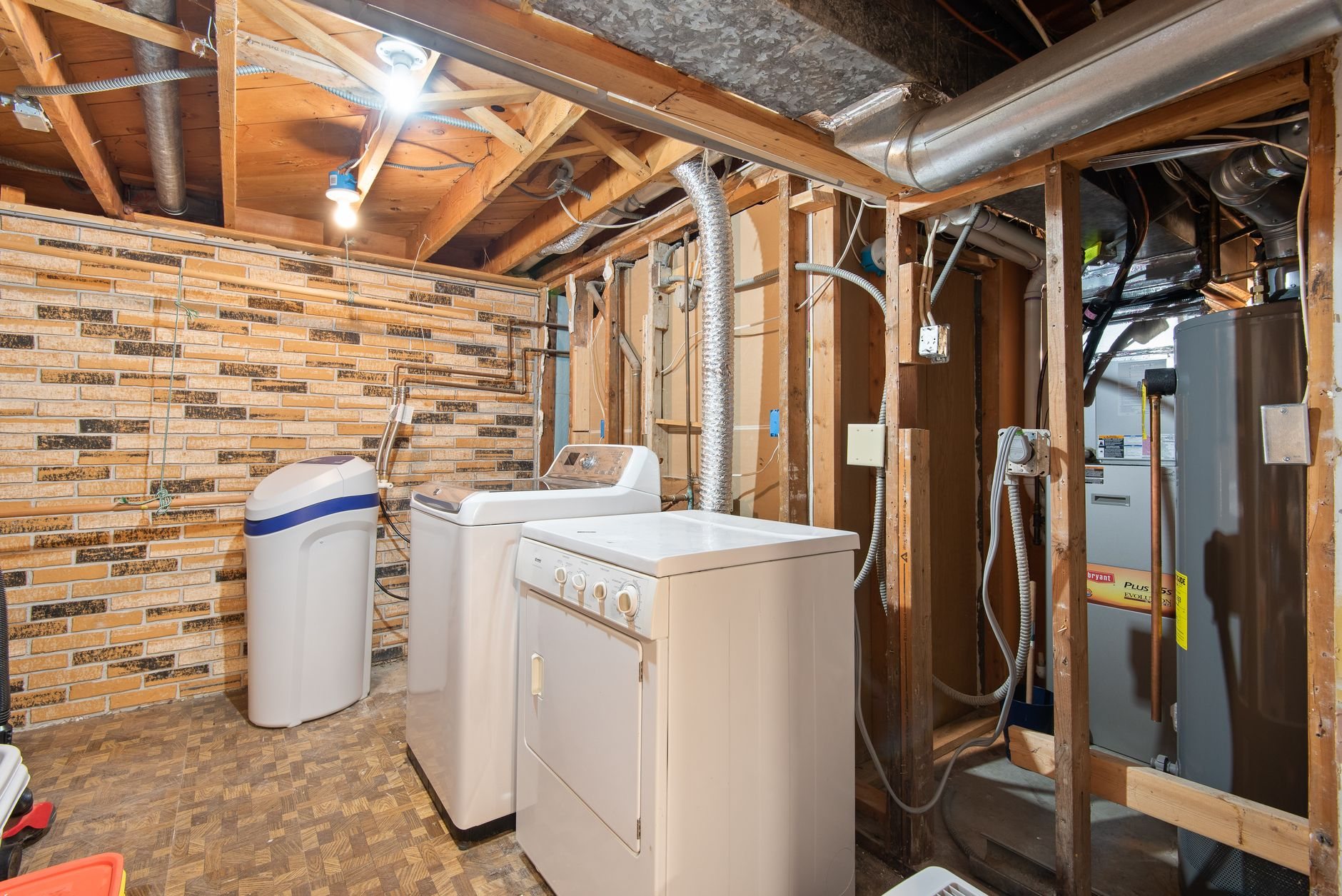
What extraction and drying costs in Utah
As ballpark planning numbers only: extracting and drying a single room after a clean-water loss typically runs $500 to $2,500 along the Wasatch Front. A flooded finished basement commonly lands between $2,000 and $8,000; contaminated water runs higher because demolition and antimicrobial treatment join the scope. None of that is a quote — the moisture map prices the job.
What moves the number:
- Water category. Clean supply water is mostly equipment time; sewage means removal, disposal, and treatment.
- How long it sat. Water found in hours is a drying job; after a two-week vacancy it’s a demolition job.
- Materials in the wet zone. Carpet dries cheap; hardwood, plaster, and built-in cabinetry take more equipment days.
- Equipment days. Dehumidifiers and air movers bill by the day, so a five-day dry costs meaningfully less than a twelve-day one.
On sudden and accidental losses, homeowner policies generally cover mitigation, and carriers expect the daily drying logs we keep as a matter of course. Fixing the cause usually costs less than a second loss: window-well drains, regrading, or foundation waterproofing can ride the same contract.
Questions we actually get
Do you handle the rebuild after the drying too?
Yes — that’s the point. Once the drying log hits dry standard, the same contract moves into water damage reconstruction: drywall, flooring, trim, paint, and any systems the water reached. No handoff between companies to stall the claim.
Can wet drywall and carpet be saved, or does it all come out?
It depends on the water and the clock. Clean water caught within a day or two often means carpet is extractable and drywall can dry in place. Contaminated water, or clean water that sat, means pad and wicked drywall come out, flood-cut above the moisture line.
Will my homeowner’s insurance pay for extraction and drying?
Usually yes for sudden, accidental losses — a burst pipe, a failed water heater. Gradual leaks and groundwater seepage are commonly excluded, and overland flood generally requires separate flood coverage. We document the loss, keep drying logs in the format adjusters expect, and tell you honestly if your cause of loss looks like an exclusion.
Do we have to move out while the equipment runs?
Usually not. Most families stay home through a three-to-five-day dry-out; the equipment is loud but confined to the affected rooms. Contaminated water or a large multi-room loss are the exceptions where a few nights elsewhere makes sense.
Tell us where the water is
We reply within a couple of hours during business hours — a day at most. You’ll get a straight read on extraction, drying time, and what the rebuild after it looks like. The full family of repair and restoration work lives under repair, restoration & property services.