
Flood damage rebuild
A flood damage rebuild is the reconstruction that follows overland water — a monsoon cloudburst, spring runoff, a failed window well, or a canal breach — after the mud is out and the structure is dry. Grandview rebuilds flooded homes and basements across Utah County as a licensed B100 general contractor, from flood-cut drywall to final paint.
Discuss a project Or call (385) 236-1741
How a flood rebuild differs from a burst-pipe rebuild
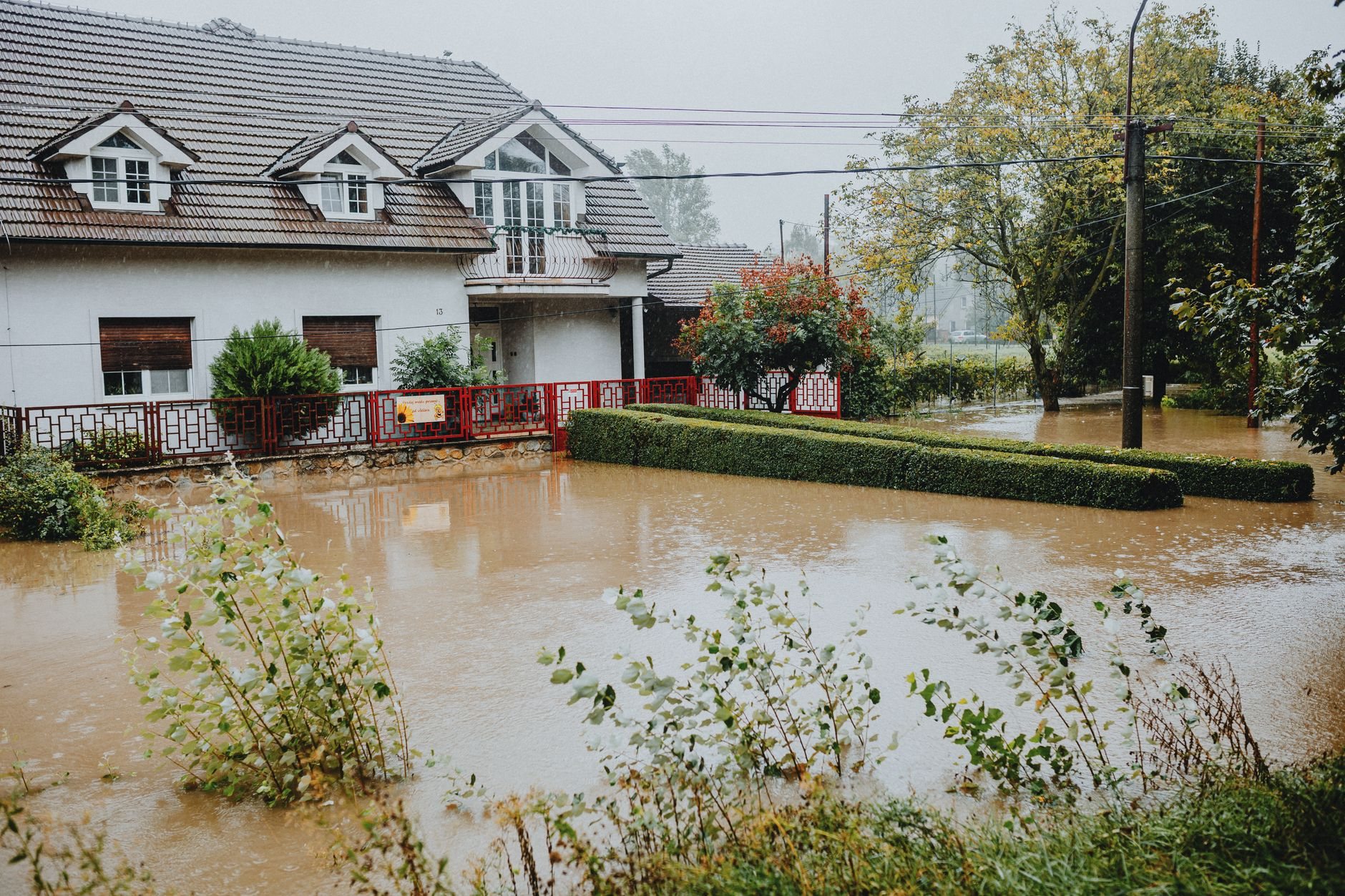
Floodwater is not tap water. Water that crossed a yard, a street, or a field before it entered your house is Category 3 water — it carries silt, soil bacteria, fertilizer, and whatever else was on the ground. That changes the rebuild math: porous materials the water touched come out rather than get dried, the demo line sits higher, and sanitation is part of the scope. A clean supply-line break inside the house is a gentler event; that broader scope lives on our water damage restoration page.
Sequence matters too. If your flood just happened, mitigation comes first — pumping, mud-out, and verified structural drying, covered under water extraction & structural drying. If the same storm tore up your roof, siding, or fence, storm damage repair handles the exterior on the same contract. This page is the phase after all of that: putting the flooded rooms back together, correctly and with the paperwork straight.
What a flood damage rebuild involves
Flood rebuilds start from the flood cut — the horizontal demo line the mitigation crew ran 12 to 24 inches above the high-water mark, because drywall and insulation wick contaminated water well above where it visibly sat. Before we hang new board, we verify what the cut exposed is actually clean and dry:
- Silt inspection in wall cavities, rim joists, and behind remaining sheathing — sediment left in a wall holds moisture and odor for years
- Moisture readings on studs, plates, and subfloor against dry standard, with the mitigation company’s drying logs in hand
- Bottom-plate and sill assessment — floodwater that sat for days can swell and rot plates, which we sister or replace before closing anything
- Electrical below the waterline: submerged receptacles, wiring, and panels get evaluated and replaced by licensed electricians, not dried and reused
- Ductwork that flooded gets cleaned or replaced — floor registers in a flooded basement are silt traps
Then the rebuild runs in trade sequence: framing repairs, rough electrical and plumbing where systems flooded, inspection, insulation, drywall seamed into the flood cut so the patch line disappears, flooring, cabinets, trim, and paint. Where the flood reached wiring, plumbing, or a furnace — and standing water in a basement usually reaches all three — Grandview holds the contract and manages licensed electricians, plumbers, and HVAC technicians; we coordinate, sequence, and quality-check their work within your rebuild.
Rebuilding so the next storm costs less
Utah floods have a pattern. Late-summer monsoon cloudbursts can drop an hour of rain in ten minutes, overwhelming window wells and street drainage; heavy snowpack years send spring runoff down the same Wasatch Front creeks and canals for weeks, as 2023 reminded most of the valley. And the clay-heavy bench soils common in Utah County drain slowly, holding water against foundations long after the storm passes. If your house flooded once, the geography that flooded it is still there.
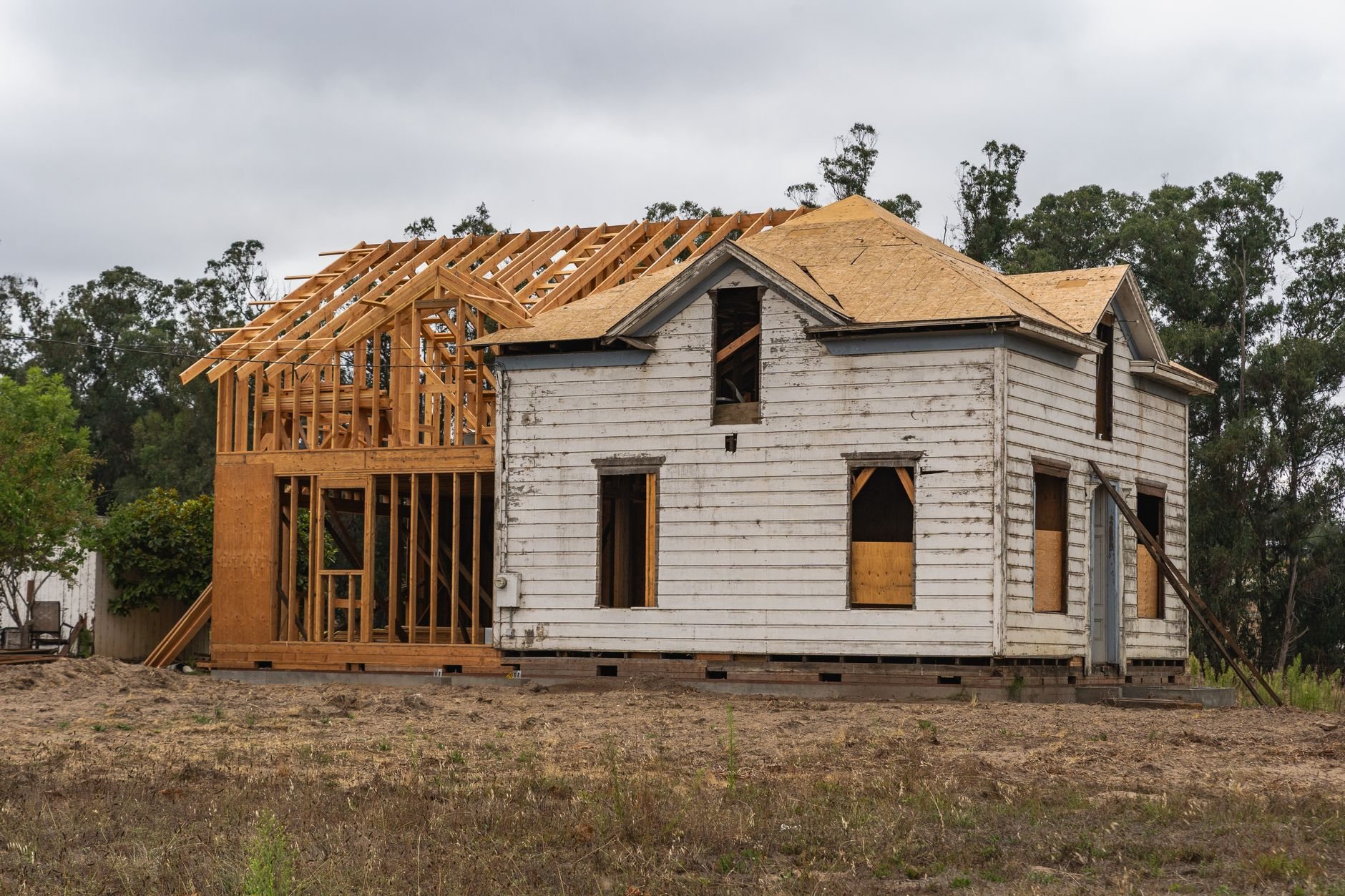
So we treat the rebuild as the cheapest moment to change the outcome. Below the historical waterline, that can mean tile or luxury vinyl plank instead of carpet, unfaced rigid insulation instead of fiberglass batts, raised receptacles, and paint-grade materials that survive a wet week. Outside the wall, it means fixing the entry point — window-well drainage, regrading, or a sump system, which our waterproofing team handles under the same contract. None of it is required. All of it is easier now than after the next cloudburst.
What does a flood damage rebuild cost in Utah?
As ballpark planning numbers only: rebuilding a flooded basement room after Category 3 water typically runs $8,000 to $20,000 in Utah County, and a full finished-basement flood rebuild commonly lands between $25,000 and $75,000 — higher than clean-water equivalents because contaminated-water demo goes deeper and more systems need replacement. Your written scope is the real number.
One thing to know before you count on insurance: standard homeowners policies generally exclude overland flood. Surface water, runoff, and rising groundwater are covered by separate flood insurance through the National Flood Insurance Program or a private flood policy — and without one, the rebuild is likely out of pocket. On uninsured losses we’ll phase the work so the essential rebuild comes first and upgrades wait if they need to.
What moves the number: how high the water rose and how long it sat, whether the furnace, water heater, or electrical panel flooded, silt volume, finish level, and whether the scope includes drainage correction.
Questions we actually get
Why can’t the flooded drywall and carpet just be dried and kept?
Because floodwater is contaminated. Water that crossed ground before entering the house carries silt and bacteria, and porous materials — drywall, insulation, carpet and pad, particle-board cabinets — can’t be reliably sanitized. Industry standard is removal, not drying. Hard, non-porous materials like framing and concrete can usually be cleaned, dried, and kept.
Will my homeowners insurance pay for a flood rebuild?
Usually not for overland water. Standard homeowners policies exclude surface flooding, runoff, and rising groundwater — those need a separate NFIP or private flood policy. Water from a burst pipe inside the house is a different, typically covered peril. Check your declarations page early; the answer shapes the whole rebuild budget and schedule.
How soon after the flood can reconstruction start?
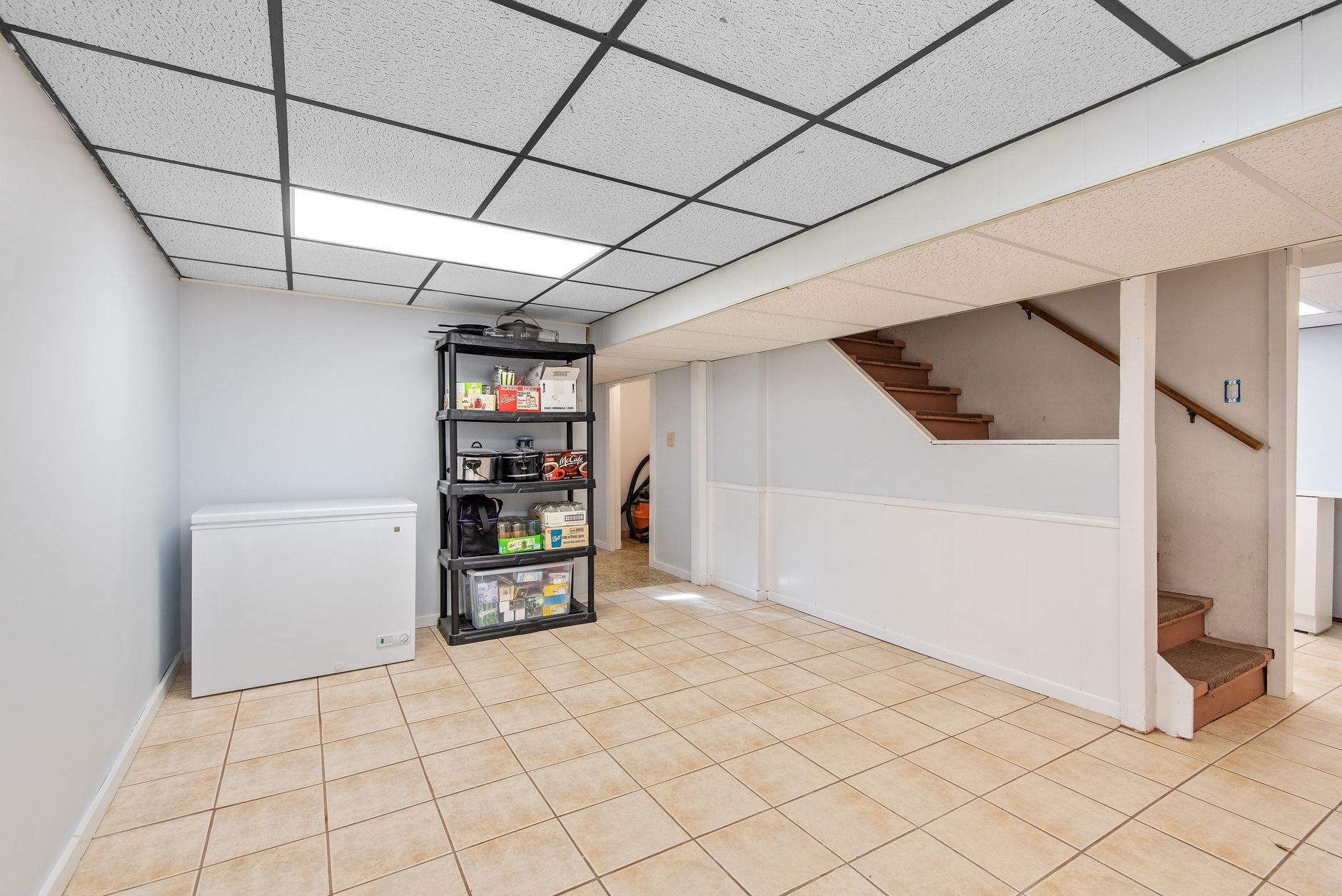
Once the structure passes dry-standard moisture readings and any contaminated material is out — typically one to three weeks after the water recedes, depending on how long it stood. We won’t close walls over damp or silty framing. From there, a flooded basement rebuild usually runs six to twelve weeks depending on scope and permits.
Do I need permits to rebuild after a flood?
Usually, yes. Flood rebuilds almost always touch electrical, and often plumbing and mechanical, which require permits and inspections under current Utah-adopted code — and basement bedrooms still need compliant egress windows. Requirements vary by city, so we confirm with your local building department and pull what’s required as part of the scope.
Tell us what you’re working on
We reply within a couple of hours during business hours — a day at most. You’ll get a straight read on scope, sequence, and budget before anyone commits to anything. The full family of repair and restoration work lives under repair, restoration & property services.