
Lakefront & Waterfront Custom Homes
Grandview Contractors builds lakefront and waterfront custom homes along Utah Lake and the Jordan River corridor — soft lakebed soils, shallow groundwater, flood mapping, and shoreline setbacks handled from the first site visit, under Utah DOPL B100 license #14282236-5501. If your lot touches water or sits within sight of it, the building below grade changes more than the view above it.
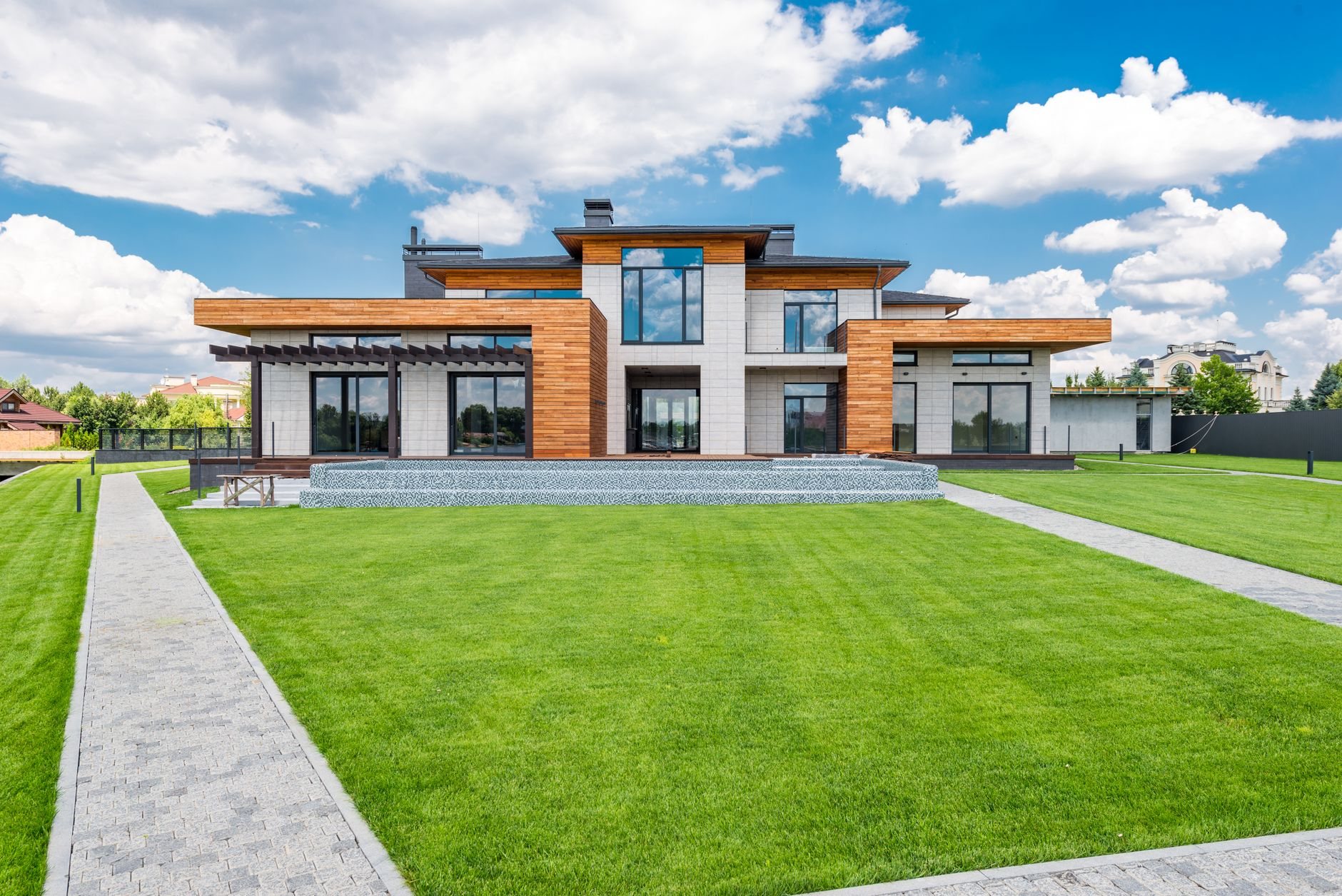
When a waterfront build is the right project
This page is for lots on or near the water: Utah Lake frontage in Vineyard, Saratoga Springs, and American Fork, Jordan River corridor parcels, and homes backing ponds or wetland edges in newer west-side developments. What these lots share is water in the ground, not just in the view — and that’s what separates them from every other custom home we build.
If your lot climbs instead of floods, our hillside and sloped-lot custom homes page covers bench parcels and their very different soils. Canyon and high-elevation builds are mountain and cabin homes. And if the water is incidental and the finish level is the story, start with luxury custom homes. Waterfront is its own discipline because the constraints start below the waterline of your soils report.
What building near the water actually involves
The ground around Utah Lake is old Lake Bonneville lakebed — deep, soft lacustrine clays and silts documented by the Utah Geological Survey, often with groundwater a few feet below the surface. That combination drives most of the real decisions on a waterfront build:
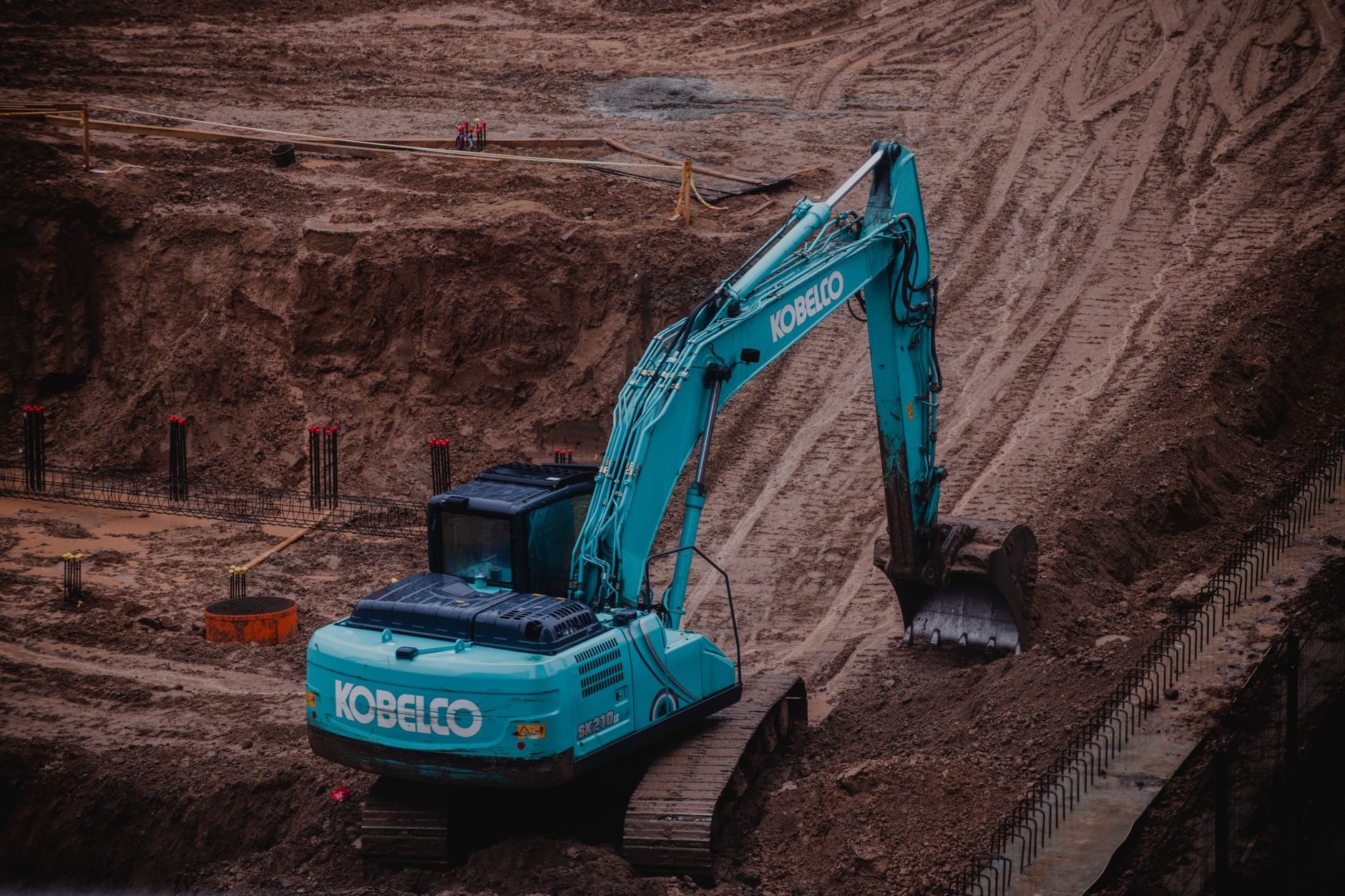
- Deep or reinforced foundations. Soft lakebed clays frequently can’t carry a conventional spread footing without settlement. The geotechnical report tells us whether the answer is over-excavation with structural fill, a stiffened mat, or driven or helical piles — all designed with our foundations work, priced before you fall in love with the floor plan.
- Groundwater and dewatering. Shallow water tables near the lake often rule out a full basement entirely, or require dewatering during excavation and a robust perimeter drain and sump design if you insist on one. Many of the best lakefront designs simply go slab-on-grade or crawl space and spend the basement budget on the main floor.
- Flood mapping. Parcels near the lake and river may sit in a mapped flood zone. We check the FEMA flood map for your parcel early, because a flood-zone designation can dictate finished-floor elevation, flood venting, and your lender’s insurance requirements — all cheaper to design for than to discover.
- Moisture and corrosion detailing. Persistent ground moisture and lake-effect humidity mean upgraded below-grade waterproofing rather than dampproofing, capillary breaks under slabs, hot-dip galvanized or stainless connectors on decks and docks-adjacent structures, and exterior finishes specified for wet-dry cycling on top of Utah’s hundred-plus annual freeze-thaw days.
Shoreline setbacks, sovereign land, and permits
Utah Lake’s bed is sovereign state land, so anything at or below the ordinary high-water mark — a dock, a ramp, shoreline stabilization — involves the state, not just your city. Above that line, cities along the lake apply their own shoreline setbacks and sensitive-lands or wetland-buffer rules, and fast-growing Vineyard and Saratoga Springs review differently than established Provo or American Fork. We map every jurisdictional line on your parcel during lot evaluation and tell you plainly what can be built where; verify specifics with your city’s building department before closing on a lot, and we’re glad to do that walk with you.
The design answers to the water too. Waterfront plans want their glazing aimed at the view, which usually means large west- or north-facing window walls — so we spec the window package for the afternoon sun and wind exposure that open water delivers, and engineer the wall for the seismic bracing that big openings demand under current Utah-adopted code.
What does a lakefront custom home cost in Utah?
As a ballpark planning number — not a quote — waterfront builds tend to land in the upper half of the $250–$450 per finished square foot range we see across new construction, before site-specific items. The waterfront premium comes almost entirely from below grade and from the envelope: deep foundations or structural fill can add tens of thousands over a conventional footing; dewatering, upgraded waterproofing, and flood-elevation requirements add more; and view-driven window packages are some of the most expensive square footage on any house. A soils report and a FEMA map check turn those unknowns into line items — that’s the first thing we do.
Questions we actually get
Can we have a basement on a lakefront lot?
Sometimes, but the water table decides. On many lots near Utah Lake, groundwater sits high enough that a full basement means permanent sump pumping and real long-term risk. Where the geotech report says no, we’ll show you slab-on-grade or crawl-space designs that put that budget into main-floor ceiling height and glazing instead.
Is our lot in a flood zone, and what does that change?
We pull the FEMA flood map for your parcel during lot evaluation. If you’re in a mapped zone, it can set your minimum finished-floor elevation, require flood venting in enclosed lower areas, and trigger flood insurance from your lender. None of it is a dealbreaker — it’s all designable if it’s known before the plans are drawn.
What adds the most cost versus a normal lot?
The foundation, almost every time. Soft lakebed soils can push you from a standard footing to structural fill, a mat, or piles, and dewatering during excavation adds labor and pumping. After that, it’s the window wall — big view glazing is priced per opening, and waterfront plans want a lot of it.
Do you handle docks or shoreline work too?
We coordinate the home, site drainage, decks, and hardscape as one project. Work at or below Utah Lake’s ordinary high-water mark sits on sovereign state land and carries its own state approval process — we’ll flag exactly where that line falls on your parcel and sequence any shoreline scope around the approvals it needs.
Tell us about your waterfront lot
We reply within a couple of hours during business hours — a day at most. You’ll get a straight read on the soils, the flood map, and what your shoreline setbacks allow before anyone commits to anything.