
Run-In & Loafing Sheds
A run-in shed is a three-sided, open-front pasture shelter that lets horses and livestock get out of the sun, wind, and snow on their own schedule, with no stalls, doors, or daily mucking. Grandview Contractors builds run-in and loafing sheds across Utah County and the Salt Lake Valley under Utah DOPL B100 license #14282236-5501, sized to the herd and anchored for the wind that crosses your pasture.
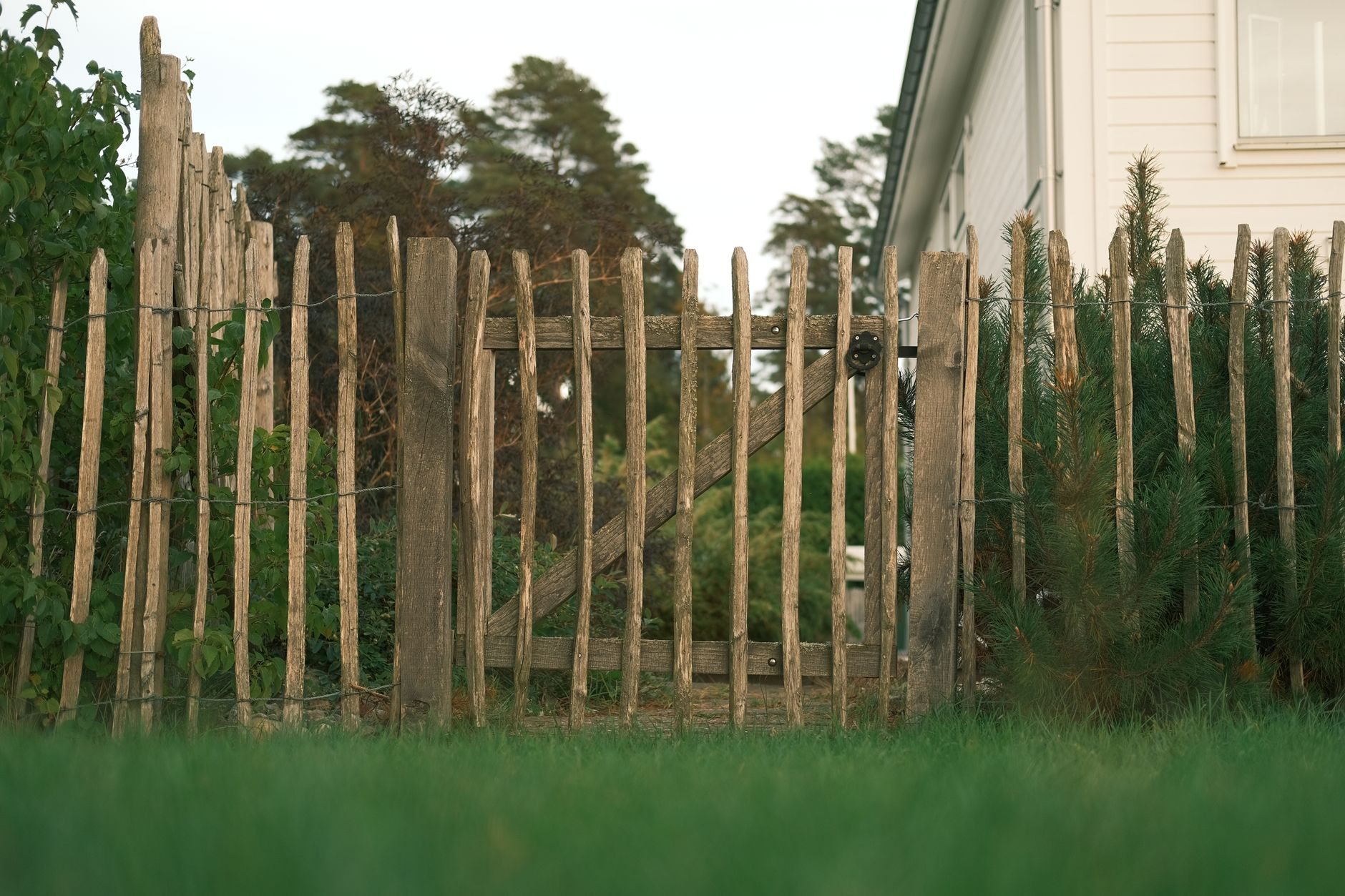
When a run-in shed is the right building, and when it isn’t
Build a run-in shed when the animals live outside and you want them to stay outside. A shelter they can walk into at will gives pastured horses shade in July and a windbreak in January without a turnout schedule. The same shape serves cattle, goats, sheep, and alpacas; what changes is height, kickboard spec, and how many animals fit without one getting pinned in the back corner.
If you need to close a horse in overnight or run water to a wash rack, that’s a horse barn or stable, and the cost gap is real. If you’re sheltering hay and a trailer rather than animals, a storage barn or an enclosed pole barn keeps it dry and locked. A run-in shed sits at the simple end of our barns and outbuildings work: a roof, three walls, and a pad that stays dry.
What goes into a run-in shed that holds up on a Utah pasture
Size and height. Plan on about 12 feet of open frontage per horse and 12 feet or more of depth, so a 12-by-24 shed suits two horses and a 12-by-36 handles three or four. Depth is what keeps wind-driven snow off the back wall. The open face runs 10 feet clear; the single-slope roof drops to 8 or 9 feet at the back.
Orientation. The open side faces away from the winter wind on your site. On most valley lots that means south or east. On bench lots below a canyon mouth, the damaging winds come downslope out of the east, so the back wall turns to the canyon. Drift lines on the pasture tell the truth.
Frame and anchorage. Post-frame: pressure-treated posts on footings below local frost depth, girts and purlins between. Wind entering the open face pressurizes the inside and tries to lift the roof and push the back wall out, so we engineer post embedment and roof fastening for that condition. On bench lots the Utah Geological Survey maps expansive and collapsible soils (geology.utah.gov), which can mean deeper holes or concrete collars.
Roof. Steel panels on a single slope draining to the back, so the drip line and sliding snow land behind the shed, not in the entrance. A 2-to-4-foot overhang keeps blowing rain and midday sun off the floor. Rafters are sized for your lot’s snow load, which steps up from valley floor to bench.
Kickboards. All three walls get 2-inch lumber kickboards to 4 or 5 feet, fasteners driven from outside, edges eased. Steel siding above the kickboard line only; a hoof through bare steel is a vet bill.
Floor and pad. No concrete. The shed sits on a crowned pad of compacted road base over geotextile fabric, raised above the pasture, with a gravel apron 10 to 12 feet out from the open face where hooves churn the ground. Summer cloudbursts find every low spot, and a wet run-in shed is one nobody uses.
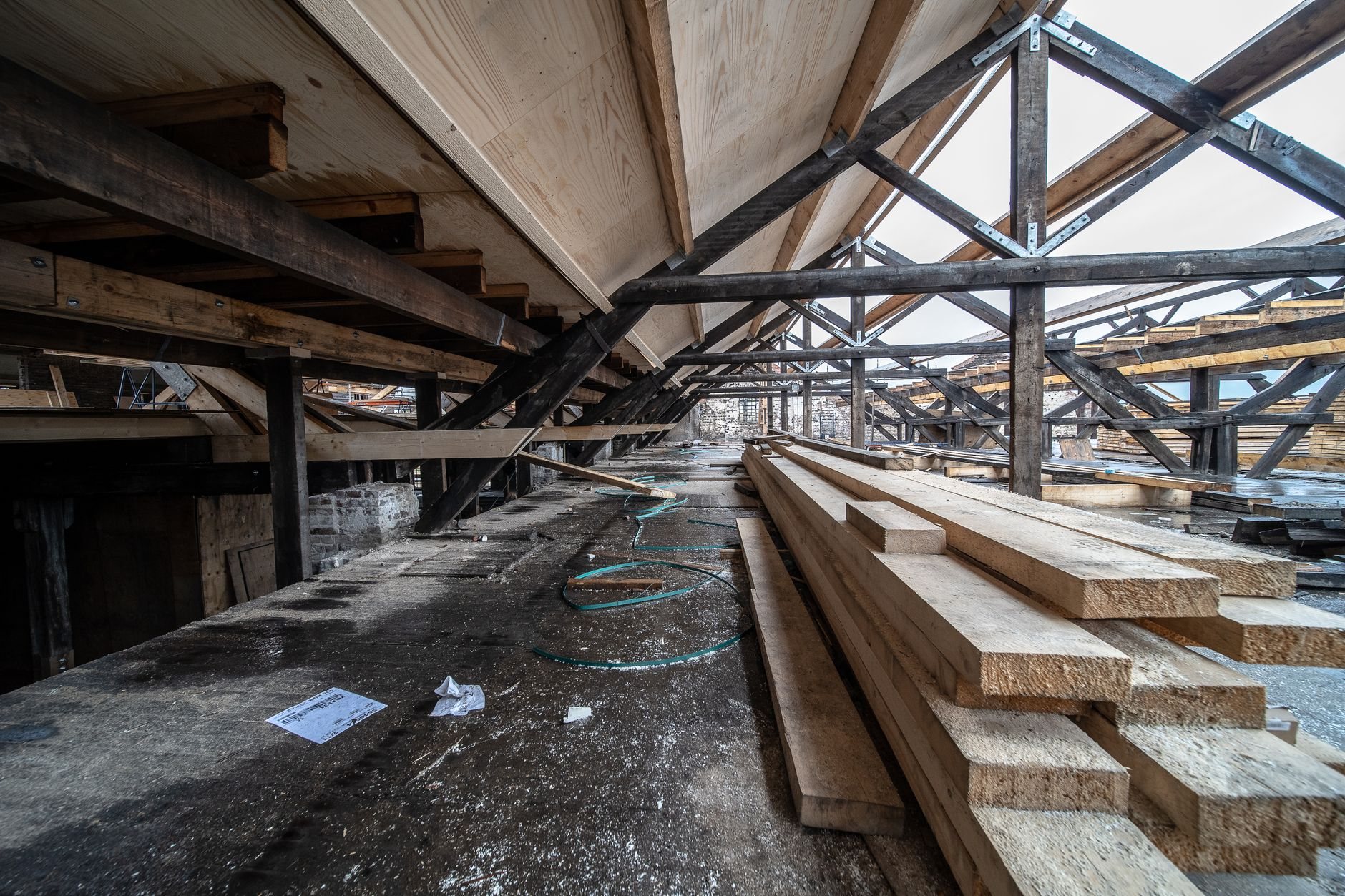
How a run-in shed build goes
- Count the animals and walk the pasture. Herd size sets the frontage; the high, well-drained corner and the winter wind set the spot. We also confirm truck access, because 20 tons of road base has to reach it.
- Settle the permit question. Many Utah County cities exempt accessory structures under about 200 square feet, but a two-horse shed is larger, and some cities apply animal-shelter setbacks. We check before design.
- Build the pad first. Strip topsoil, lay fabric, place and compact the base, crown it. This is the step kit sheds skip, and why they end up standing in mud.
- Set posts, frame, roof, line the walls, walk it at horse height. Options here: a half-height divider so a dominant horse can’t claim the whole shed, a hay feeder in the back wall, or a closed feed bay on one end.
What a run-in shed costs in Utah
As ballpark planning numbers, not a quote: a site-built post-frame run-in shed with a steel roof, lined walls, and a proper pad commonly lands in the $25 to $55 per square foot range in Utah County, so a 12-by-24 two-horse shed is often an $8,000 to $16,000 project. Most of the spread comes from the ground:
- Pad and drainage. Road base, fabric, and the apron can approach the cost of the frame on a soft or sloped site.
- Feed bay. A half-wall divider is cheap; an enclosed feed room with a door and floor is a small storage building and priced like one.
- Wind exposure. Bench and canyon-mouth sites need heavier posts and more roof fastening.
Water is the one item that can reshape the budget: a frost-free hydrant means a trench below frost depth from the nearest line. Grandview holds the contract and manages licensed plumbers for that work; we coordinate, sequence, and quality-check it within your project. Pasture fencing or regrading rides under the same contract through our site, structure and envelope team.
Questions we actually get about run-in sheds
How big should a run-in shed be for two horses?
Twelve by 24 feet is the standard two-horse shed: 12 feet of open frontage per horse and 12 feet of depth. If the horses don’t get along, go to 12 by 30 or add a half-height divider so the dominant one can’t block the entrance.
Do I need a permit for a run-in shed in Utah County?
Often, yes. The common exemption covers accessory structures under about 200 square feet, and a two-horse shed is 288. Some cities set larger setbacks for animal shelters, and horse counts are tied to zoning and lot size. We confirm with your city before design; verify with its building department.
Can a run-in shed be portable instead of post-set?
Yes. A shed framed on pressure-treated skids can be dragged to a new paddock as pasture rotates, and some cities treat it as non-permanent. The trade is anchorage: an open-front box on skids is a sail in a canyon wind, so we add ground anchors at each corner and still build the pad under it.
Why does the gravel pad cost almost as much as the shed?
Because it’s the part that keeps the shed usable. A crowned pad of compacted road base over fabric, plus a 10-to-12-foot apron, takes real tonnage and a compactor. Skip it and the shed stands in a hoof-churned bog by the second spring. Our B100 license is verifiable at dopl.utah.gov.
Tell us how many head, and where they graze
We reply within a couple of hours during business hours, a day at most. You’ll get a straight read on size, orientation, permit path, and a realistic budget range before anyone commits to anything. Still weighing options? Start at new construction or compare custom outbuildings.