
Hot Tub & Spa Pads with Hookup Coordination
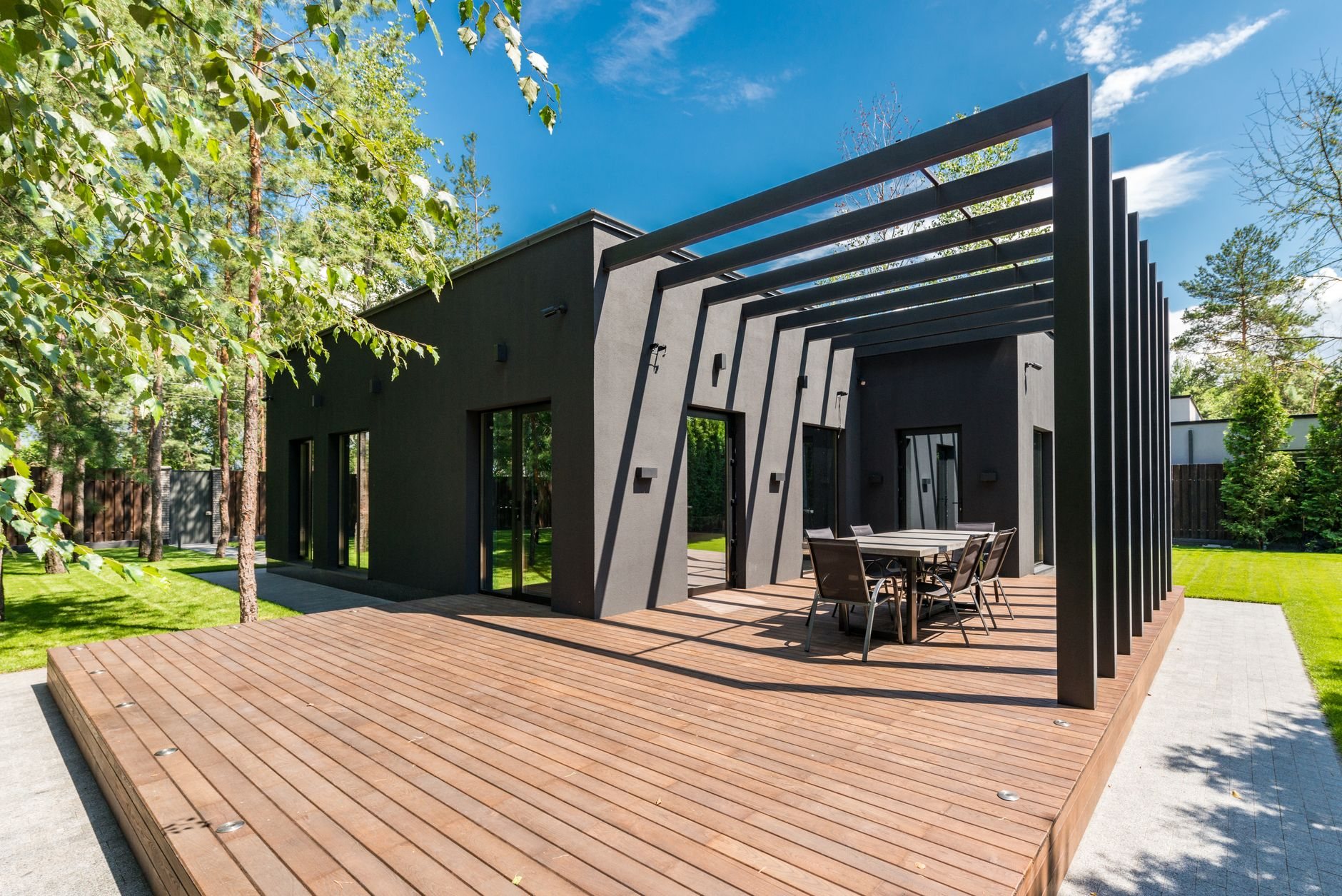
A hot tub pad is a dead-level, reinforced concrete slab sized to the spa’s footprint, poured with the electrical conduit already under it so the hookup never means cutting new concrete. Grandview pours the pad under a B100 general contractor license and holds the contract for the licensed electrician who runs the circuit, so one scope runs from bare ground to a filled, running spa.
When a dedicated spa pad is the right call
A six-person spa can weigh 4,000 to 5,000 pounds full of water and people. A patio is poured with a slope to shed water; a spa pad is poured dead level, because an out-of-level shell stresses its frame and plumbing fittings. That’s why this is its own scope within our concrete driveway and flatwork work.
If the spa joins a patio you’re already planning, the better route is usually a level, thickened zone designed into the concrete patio pour. If it sits beside a pool, the pool deck handles slope, bonding, and the spa zone together. A freestanding pad is right when the spa gets its own spot: a yard corner, beside an existing deck, or the side of the house nearest the panel. A shed or outbuilding slab, with no water and no circuit, is the simpler pour.
What goes into a hot tub pad
- Footprint and placement. The pad extends at least six inches past the spa shell on every side, with extra width on the equipment side so the access panel can come off.
- Thickness and reinforcement. Four inches minimum, with rebar on chairs. Over the expansive clay and collapsible bench soils common along the Wasatch Front, we over-excavate and compact road base first, because a quarter inch of settlement at one corner puts the spa out of level.
- Level, not sloped. Forms are set level in both directions and the surface floated flat. Water leaves the pad because it sits an inch or two above grade, not because of pitch.
- Conduit and bonding before the pour. The electrician’s conduit runs under the pad and stubs up at the equipment corner. Any bonding conductor that ties into the reinforcement goes in now; a bonding lug can’t be added after the concrete cures.
- Air-entrained mix and a sealer. A spa pad lives wet: cover drips, splash-out, and snowmelt sit on it through Utah’s hundred-plus freeze–thaw days a year. Air entrainment and a penetrating sealer keep that from turning into scaling.
- A drain path for the spa itself. A hot tub holds 300 to 500 gallons and gets drained a few times a year. We grade so that water runs away from the foundation.
How the electrical hookup is coordinated
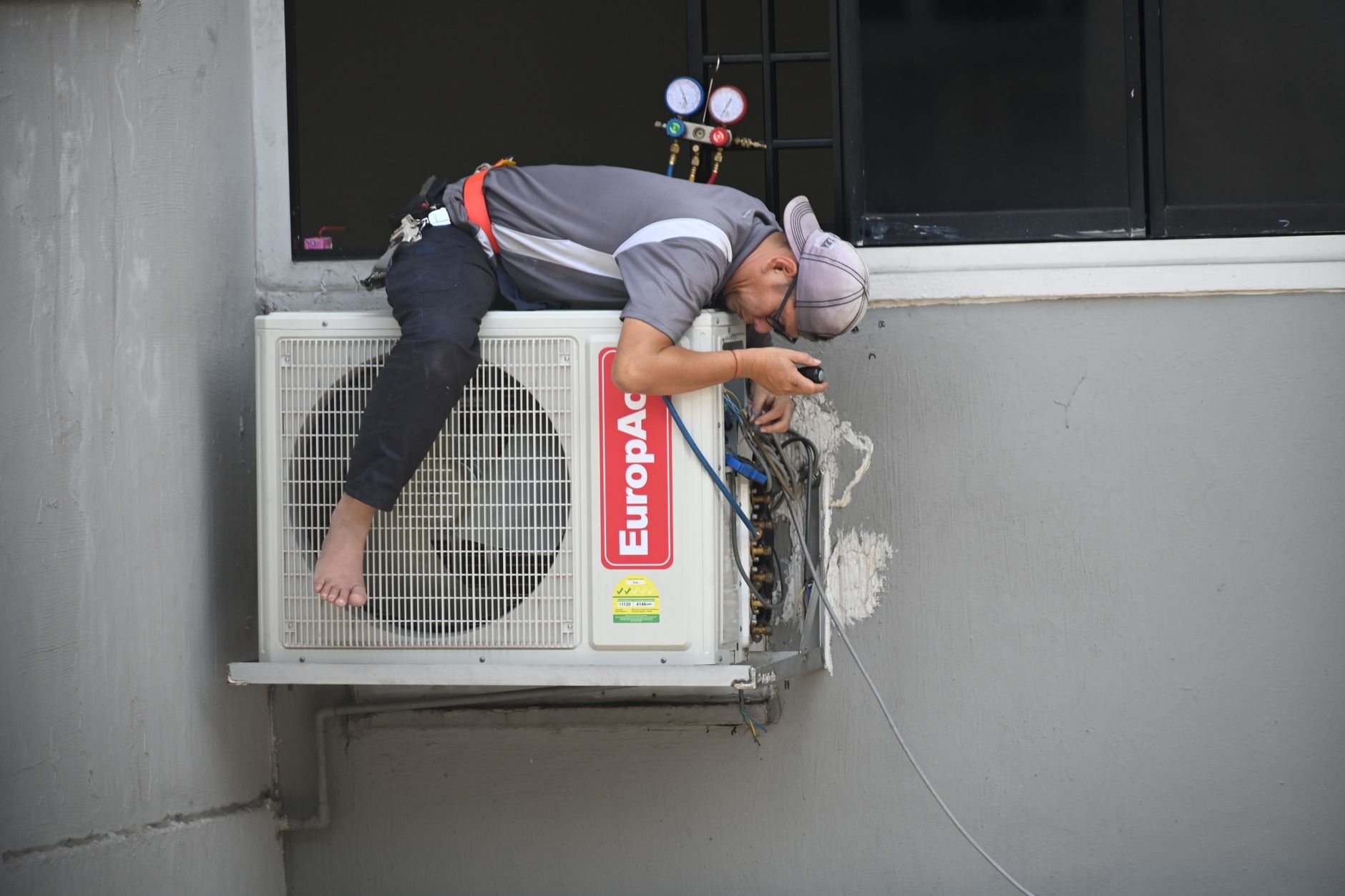
Most 240-volt spas need a dedicated GFCI-protected circuit, commonly 40 to 60 amps, with a disconnect mounted within sight of the spa and at least five feet from the water’s edge. That’s electrical work. Grandview holds the contract and manages a licensed electrician who sizes the circuit to the spa’s nameplate, confirms the panel has capacity, runs the conduit, sets the disconnect, and pulls the electrical permit. We coordinate, sequence, and quality-check that work within the pad schedule, so conduit goes in before concrete and the final connection happens after the spa is set.
If your panel is already full, the honest answer may be a subpanel or service upgrade, which we price up front rather than discover on hookup day.
Pad, circuit, delivery, fill: the sequence
- Confirm the spa. Footprint, filled weight, equipment corner, and electrical requirements from the spec sheet. We also walk the delivery path: spas usually arrive on edge on a dolly and need three to four feet of clear gate width with no tight turns, or a crane.
- Approvals. The electrical permit is standard. Some cities also permit the spa itself or enforce a setback, and HOA neighborhoods usually want a site plan; verify with your city’s building department.
- Excavate, base, conduit. Dig to grade, compact road base, trench the conduit from the panel, and stub it up where the equipment bay will land.
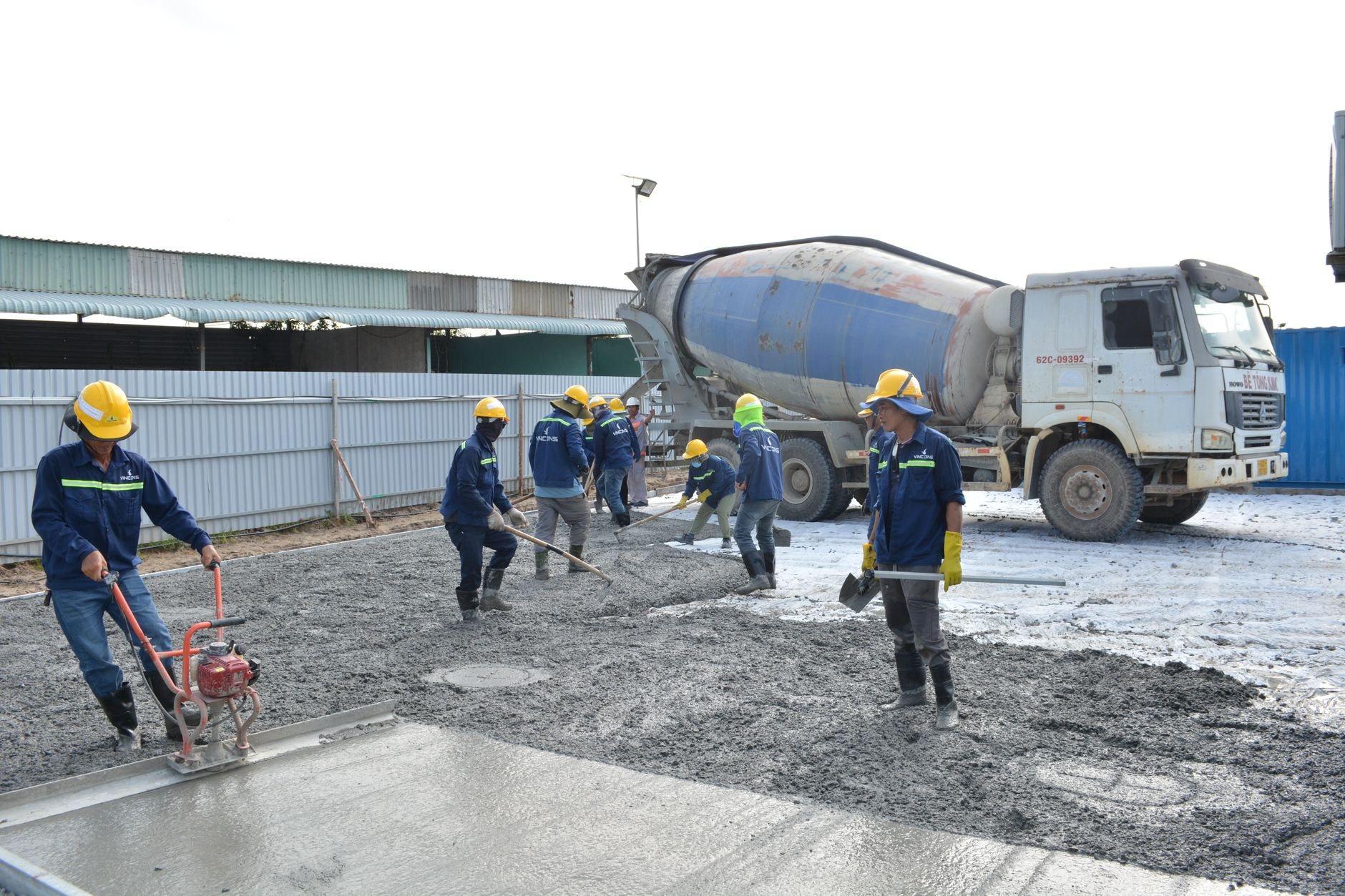
- Form level, reinforce, pour. Air-entrained mix placed, floated flat, edged, and cured.
- Cure. At least seven days before a loaded delivery dolly crosses the pad.
- Set, connect, inspect, fill. The spa is set, the electrician makes the final connection, the inspection passes, and you fill it.
What does a hot tub pad cost in Utah County?
As a ballpark planning number, a reinforced 8-by-8 to 10-by-10 spa pad in Utah County typically runs about $1,200–$2,800 installed. Small pours cost more per square foot than a driveway because truck, crew, and setup cost about the same for 80 square feet as for 800. The electrical hookup for a typical 50-amp circuit run 30 to 60 feet from the panel usually adds $1,200–$3,000. Planning figures, not a quote.
What moves the price: distance from the panel, conduit under existing hardscape, a full panel that needs a subpanel, soil that needs over-excavation, and crane delivery when there’s no dolly path.
Questions we actually get
Can I set a hot tub on my existing patio?
Sometimes. The patio has to be at least four inches thick, reinforced, and level across the spa’s footprint, and most patios are pitched for drainage. If we can’t confirm thickness and reinforcement, or the slope exceeds what the manufacturer allows, a dedicated pad is the safer answer.
Does it matter how far the spa sits from the house?
Yes, mostly for the electrical. Every foot of conduit and wire adds cost, long runs on a 50-amp circuit can require heavier wire, and trenching under existing hardscape adds labor. Closer to the panel is cheaper.
Do I need a permit for a hot tub in Utah?
An electrical permit for the dedicated circuit, yes, and the electrician pulls it. Permits for the spa itself, setbacks, and HOA rules vary by city, so verify with your building department. We help package the submittal.
How soon after the pour can the spa be delivered?
Plan on seven days. Concrete reaches most of its working strength in the first week and full design strength near 28 days, and a shell on a two-wheel dolly concentrates its weight on two points. Day seven or later, and the pad will never show it.
Tell us about the spa
Send the model or spec sheet, a photo of the spot, and where your panel is. We reply within a couple of hours during business hours, a day at most. Spa pads sit inside our broader site, structure and envelope services.