
Retail Store Remodels & Rebrands
A retail store remodel updates a store you already operate — finishes, fixtures, lighting, cash-wrap, and signage brought to a new brand standard without the teardown of a first-time build-out, often while the doors stay open. Grandview Contractors remodels and rebrands retail stores across Salt Lake County and Utah County under a Utah DOPL B100 general contractor license.
Discuss a project Or call (385) 236-1741
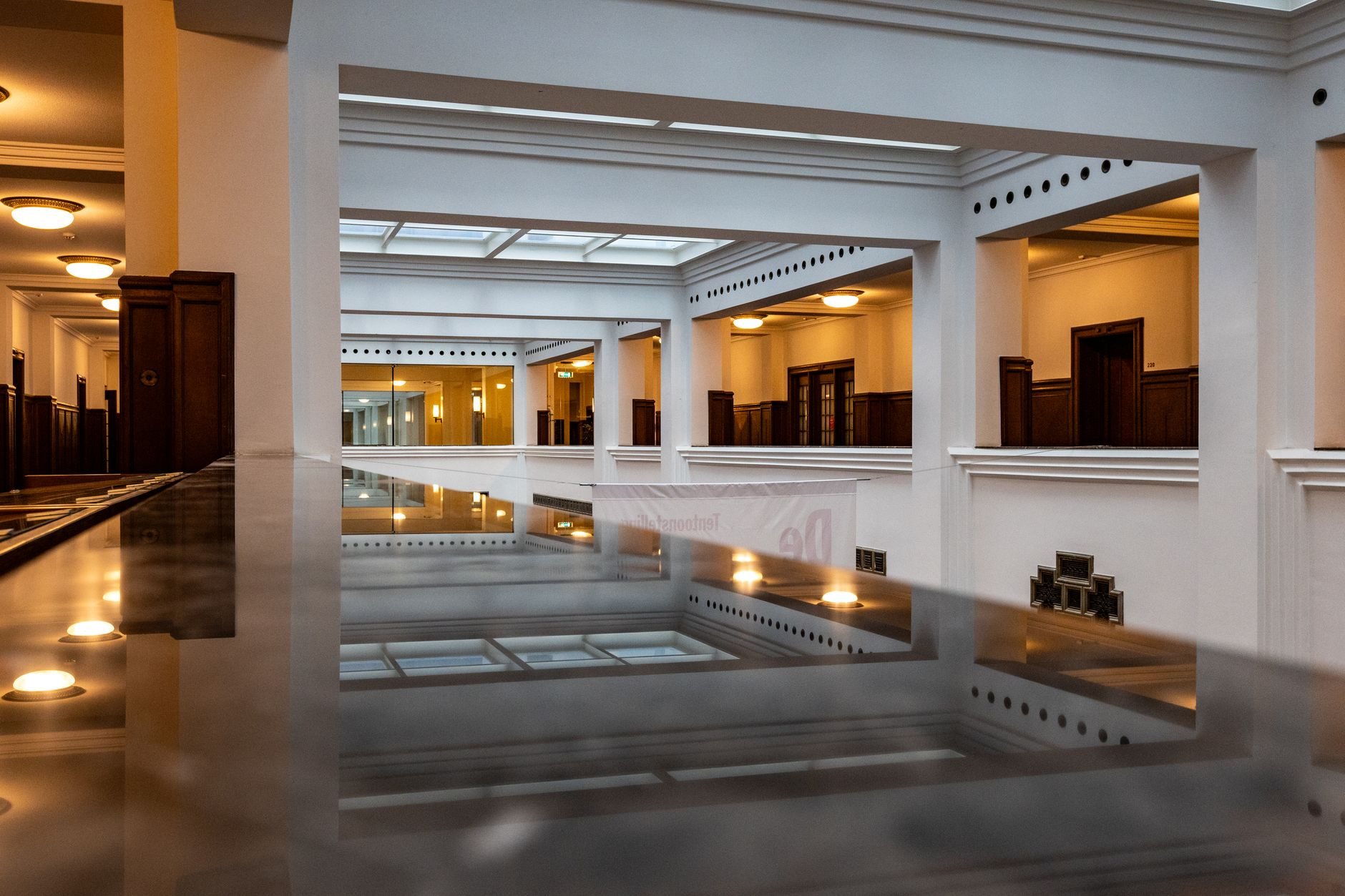
When a remodel is the right scope — and when it isn’t
You’re staying put. The lease is renewed and the location works, but the brand moved on: a new palette, a new fixture system, a logo the sign out front no longer matches. Or a franchisor’s refresh cycle came due. Walls, restrooms, and most systems stay; what changes is everything a customer sees and touches.
It’s a different job from moving in. A new tenant taking an empty box wants our retail storefront build-out page; a first-time prototype in a new location belongs with franchise and brand rollout build-outs; if the whole project is the entry and glazing, that’s storefront and entrance construction. A remodel has inventory, staff, and daily sales that have to survive the work, so the first question is whether the store can close, run on half a sales floor, or must trade every day — that answer shapes the phasing and roughly a fifth of the cost.
What a store remodel actually involves
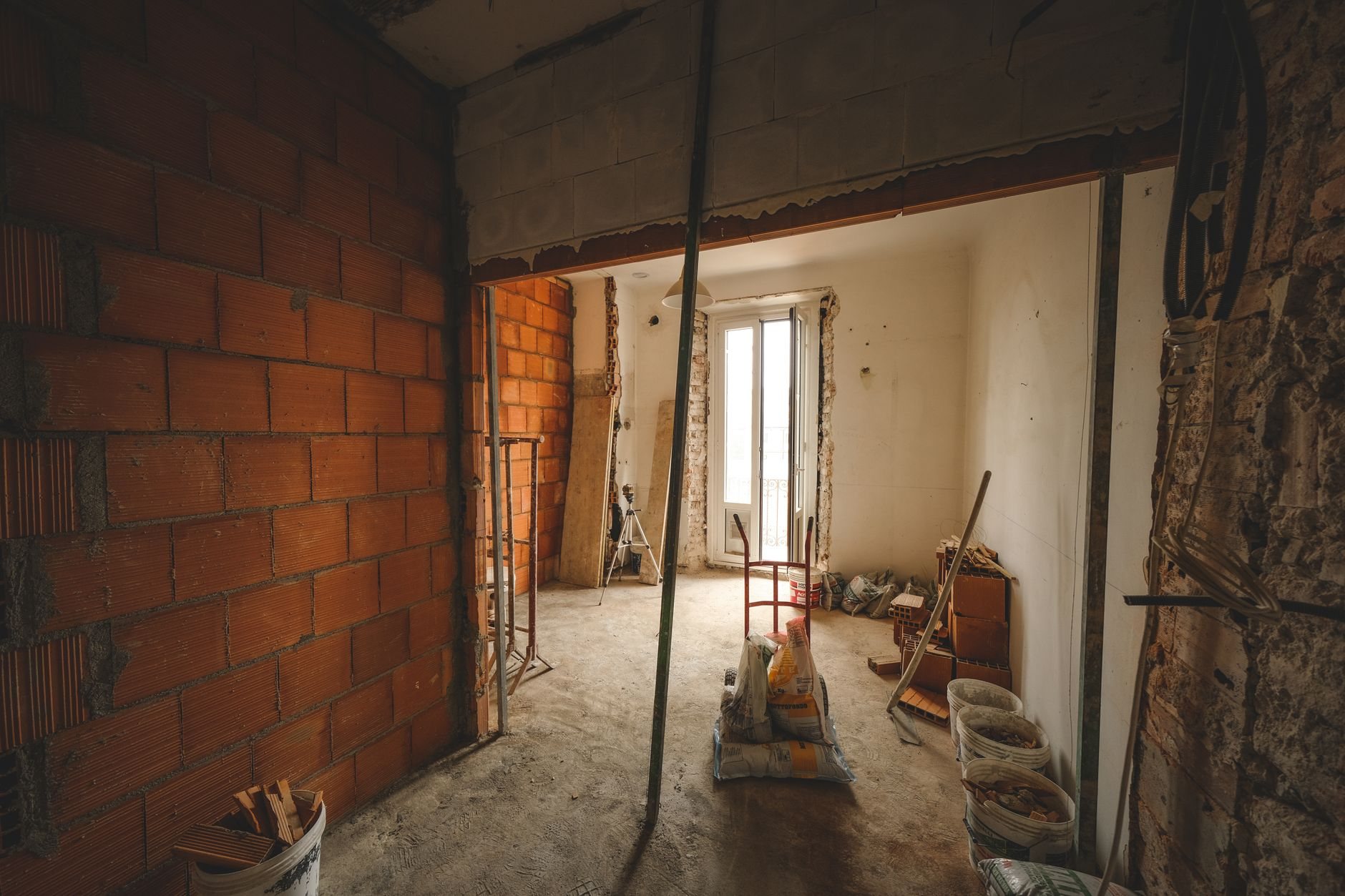
Demolition in an operating store is selective. We pull slatwall, dated millwork, a yellowed drop ceiling, or worn carpet while protecting the slab, the sprinkler heads, and circuits you may keep. A merchandise plan comes first: what moves to back stock, what goes to a container in the lot, and what stays on a staged half of the floor.
Lighting is where most rebrands show. Swapping fluorescent or early LED fixtures for the brand’s specified color temperature is a circuit-by-circuit exercise, and after two previous tenants the circuits rarely match the panel schedule. Licensed electricians perform that work; Grandview holds the contract, sequences them around trading hours, and checks the result against the lighting plan. Brand paint colors get sampled under the new fixtures, not the old ones.
Flooring is an overlay-or-replace decision. New luxury vinyl plank over existing VCT can work; the same product over an older slab with a moisture problem will not, and adhesive failure is the most common callback in retail flooring. We moisture-test the slab first; when the standard calls for a sealed-concrete look, grinding off old adhesive is a weekend scheduled while the store is dark. See commercial flooring for material trade-offs.
Then the sign. In most Utah cities an exterior sign change is its own permit, reviewed against the landlord’s sign criteria. High-elevation UV fades vinyl and painted sign faces faster than at sea level, and canyon-wind gusts along the Wasatch Front are a real load on a cabinet sign, so the fastening gets specified, not guessed.
How we phase a remodel around an open store
- Scope against the brand book and the lease. The refresh package sets the finishes; the lease says what the landlord must approve.
- Decide open, closed, or phased. A short full closure is cheapest per square foot; zoned work keeps revenue flowing and costs more. We price both.
- Release long-lead items first. Millwork, the cash-wrap, and the sign are ordered before demolition, so the store is never torn apart waiting on a crate.
- Work in zones, mostly after hours. Temporary dust walls, floor protection, and a register that’s live every morning.
- Flip the sign and close out. Final inspections, landlord sign-off, and franchisor pre-opening review where it applies.
One point we’re plain about: when a remodel alters a primary function area — sales floor, fitting rooms, checkout — the ADA can require the path of travel to it, restrooms and entrance included, to be brought to standard within a cost cap tied to the alteration. Verify specifics with your building department; in older Salt Lake City storefronts this is where the budget surprise hides.
What does a retail store remodel cost in Utah?
As ballpark planning numbers only: a cosmetic refresh — paint, new lighting, a flooring overlay, and a fixture swap — often lands around $20–$50 per square foot along the Wasatch Front. A full rebrand remodel with new millwork and cash-wrap, ceiling changes, a new sign, and partial storefront work more commonly runs $50–$110 per square foot. Phased after-hours work typically adds 10–20% to labor. Planning ranges, not quotes.
- Open versus closed. Night shifts, daily cleanup, temporary walls, and double-handling merchandise cost money a two-week closure doesn’t.
- Brand package density. Paint and lighting is one budget; specified millwork and imported fixtures with their own lead times is another.
- What’s under the old finishes. Slab moisture, mismatched circuits, and sprinkler heads that don’t fit the new ceiling plan each add a trade and an inspection.
If your lease extension includes a refresh allowance, we keep reimbursable construction cost separated from fixtures and signage — the allowance usually covers the first, not the second.
Questions we actually get
Can the store stay open during a remodel?
Usually, yes. Most rebrands run as night and off-hours work in zones, with a dust wall between the active sales floor and the work area and the register live every morning. The trade-off: a phased remodel takes longer and costs more than the same scope in a closed store.
Do we need a permit to remodel a store we already occupy?
Paint and like-for-like fixture swaps generally don’t. New lighting circuits, ceiling changes, moved walls, plumbing changes, and exterior signage generally do, and the sign is often a separate permit. Requirements vary by city, so we confirm with your building department during scoping.
Will a rebrand trigger accessibility upgrades?
It can. Altering the sales floor, fitting rooms, or checkout can require the accessible route to them — entrance, restrooms, counters — to be brought to standard within a cost cap tied to the remodel. We assess this during estimating so it lands in the budget, not in plan-review comments.
How long does a retail store rebrand take?
Construction on a cosmetic refresh often runs two to four weeks; a full rebrand remodel with millwork, ceiling, and signage more commonly runs six to ten. Phased after-hours work stretches those by a few weeks. Long-lead millwork and the sign set the real timeline.
Store remodels sit inside our retail build-out work and the wider renovation and build-out family; for a non-retail business trading through the work, see occupied-space renovation. Our license is a Utah DOPL B100 general contractor, #14282236-5501 — verifiable at dopl.utah.gov.
Tell us what the brand book wants and when the store can go dark
We reply within a couple of hours during business hours — a day at most. You’ll get a straight read on scope, phasing, and a planning budget before anyone commits to anything.