
New Construction Painting in Utah County
New-construction painting is the prime-and-finish scope on a building that has never been painted: bare drywall, raw trim, and a schedule shared with other trades. Grandview Contractors handles it for builders and owners across Utah County and Salt Lake County under a Utah DOPL B100 license, sequenced so paint lands after drywall and before flooring.
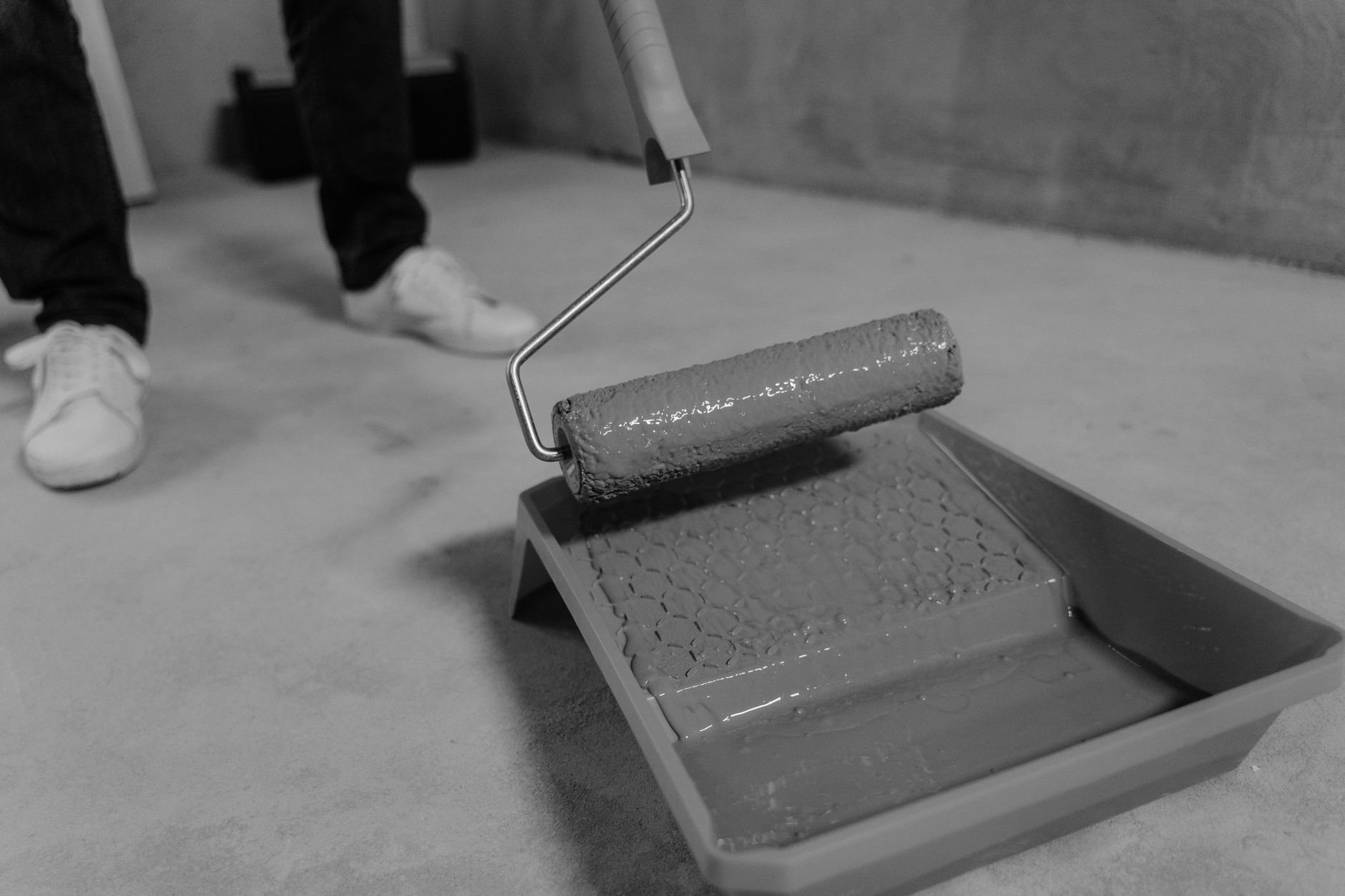
When new-construction painting is the right scope
This is the scope when the walls have never seen a coat of anything. A custom home coming out of drywall, a townhome block, a basement or ADU being finished for the first time, a shell building getting its first tenant fit-out. The surfaces are new, the house is empty, and the painter is one trade in a chain, not a crew working around a family’s furniture.
If the walls already have paint on them, you want a different page. A whole-home repaint is about prep on surfaces that have lived a little: cracks, nail pops, old sheen. An occupied office or restaurant is commercial interior painting, where the hard part is working around people. If only the millwork needs finishing, that’s trim and door painting.
New construction is different because the painter arrives before the building is finished. Flooring, cabinets, and fixtures all come after the first finish coat, and every one of those trades scuffs a wall on the way in. The scope has to be priced with that return trip built in.
How the prime-and-finish schedule runs
- Drywall sign-off. We walk the drywall under a raking light before any primer goes on. Ridges and unsanded joints are the drywall crew’s to fix, not ours to hide. Where a wall will carry sheen or take direct window light, we push for a Level 5 skim coat now.
- Prime everything. A dedicated drywall primer across all new board, sprayed and back-rolled. This is the coat that makes joint compound and paper face absorb the finish the same way. Skip it and the joints photograph through every sheen.
- Caulk and first finish. Trim caulked, nail holes filled, then the first finish coat on ceilings, walls, and trim while the house is still empty enough to spray.
- Other trades return. Flooring, cabinets, tile, and fixtures go in while we stay off the schedule on purpose.
- Final coat and punch. Second finish coat on walls, touch-ups on trim, and a punch walk with the superintendent or owner ahead of the final inspection.
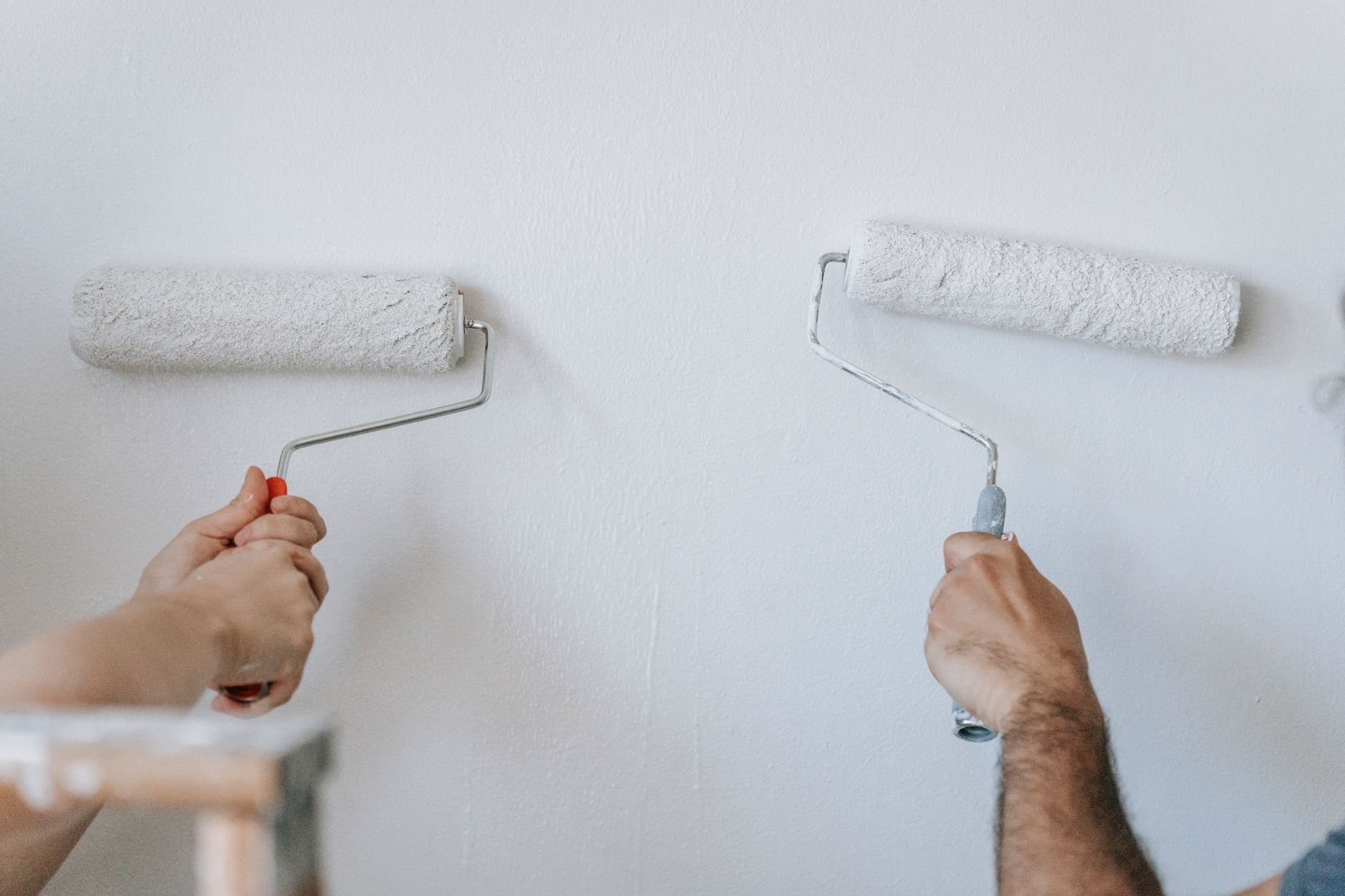
What a new-construction paint spec should say
Builder-grade means something specific, and it isn’t a compliment. Most production specs call for one coat of flat on walls and ceilings over a primer that may or may not be there, which is why so many new homes scuff if you look at them hard. We write the spec the other way: drywall primer plus two finish coats on walls, flat ceiling paint, and a water-based or hybrid enamel on trim and doors that cures hard enough to survive a move-in.
Sheen is a decision, not a default. Flat hides the small flaws in new drywall but marks easily; eggshell and satin wipe clean but reveal every joint under side light. Utah’s high-elevation sun is part of the equation: light through a south-facing great-room window is harsh enough to flash a Level 4 wall at the seams, which is why drywall level and sheen get chosen together, per the Gypsum Association’s published levels of finish, not one after the other.
Timing matters too. A Wasatch Front house that reaches drywall in November is painting in a cold, dry building. Water-based primers and paints need surfaces and air above roughly 50°F to cure, so temporary heat is a scheduling line item from about October through March, and we plan for it.
One more thing new-build owners should know: in fast-growth developments like Lehi, Saratoga Springs, and Eagle Mountain, valley and bench soils settle for the first few years, and hairline cracks at the one-year mark are normal. That is a drywall touch-up, not a paint failure, and it’s worth asking any builder how it’s handled before closing.
What does new-construction painting cost in Utah?
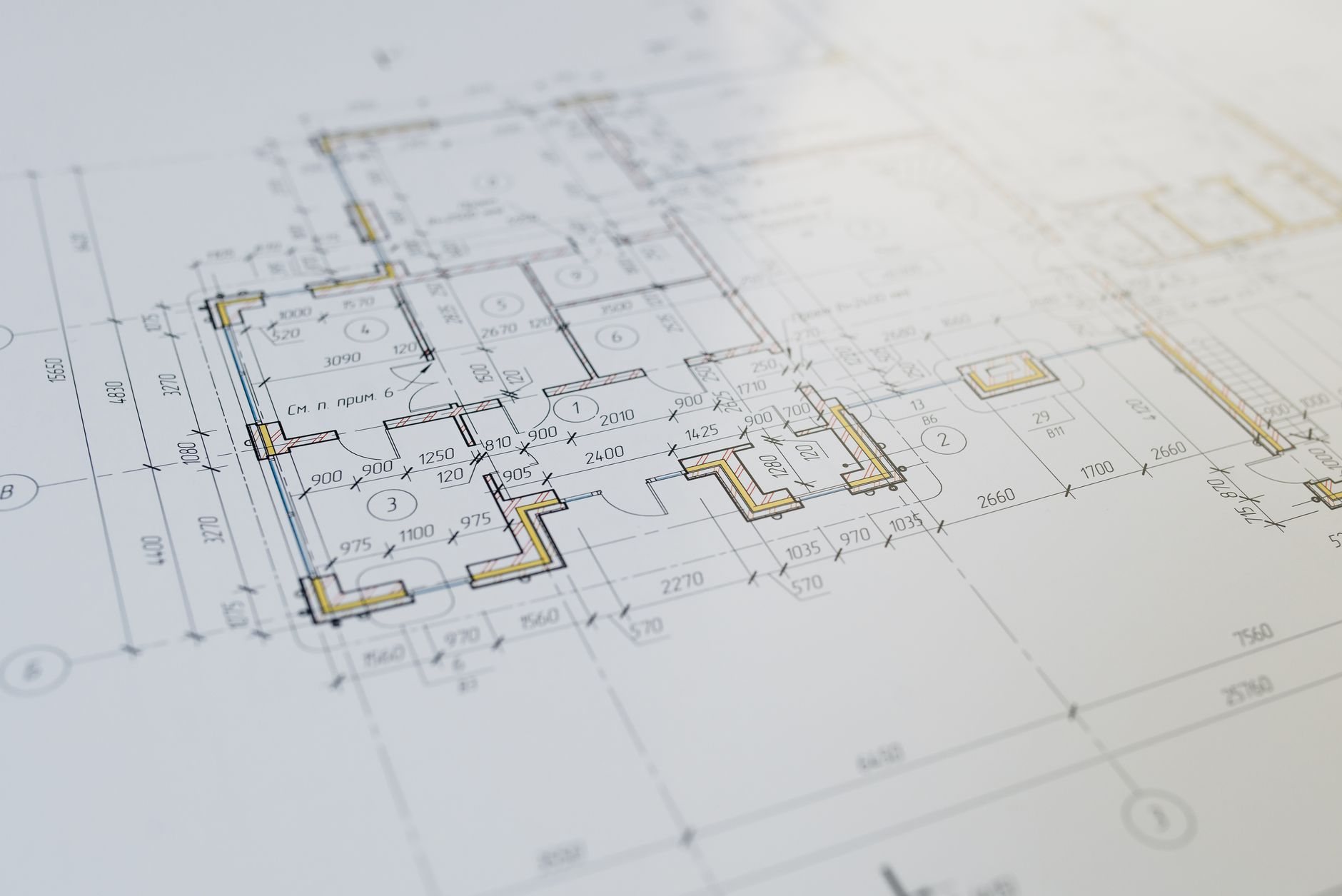
For a complete prime-and-finish scope on a new home along the Wasatch Front, ballpark planning numbers usually run roughly $1.75 to $3.50 per square foot of floor area, covering ceilings, walls, trim, and doors with the return trip for the final coat. That is lower than a repaint because the house is empty, sprayable, and has nothing to repair yet. A written estimate follows a review of the plans and finish schedule.
What moves the number: ceiling height and two-story volumes, the number of wall colors, whether trim is sprayed on site or finished off site, the drywall level, and how many return trips the build schedule actually requires. A one-color townhome interior sits at the low end. A custom home with coffered ceilings, painted built-ins, and four accent colors does not.
Questions we actually get
Do new walls really need a primer if the paint says paint-and-primer?
Yes. “Paint and primer in one” is a finish paint with higher solids, fine over a previously painted wall. New drywall is two materials, paper and joint compound, that absorb at different rates, and a dedicated drywall primer evens them out so the finish coats dry to one sheen. It’s the cheapest coat on the job and the one you’d miss most.
When in the build should paint happen?
After drywall is finished and sanded, before flooring, cabinets, and finish electrical. Prime and first coat go on while the house is empty, the other trades install, then the final coat and touch-up follow. On a typical new home that means two visits a few weeks apart, and we schedule both with the superintendent up front.
Can you work directly for a production builder on multiple units?
We can, and the economics improve when the color plan and spec repeat unit to unit. What we ask for is a realistic drywall-to-paint handoff on the schedule, because the biggest cost on multi-unit painting is a crew arriving to walls that aren’t sanded yet.
What does a cheap new-construction paint bid leave out?
Usually the primer, the second coat, or the return trip. Ask each bidder: is there a dedicated drywall primer, how many finish coats on walls, and is a post-flooring touch-up visit included. A bid that answers no, one, and no is about a third of the work, and the price reflects it.
Related services
New-construction painting is one scope inside our interior painting service and the wider renovation and build-out family. On a ground-up build it sits between drywall and flooring; when we’re the general contractor on a new construction project, that sequencing is ours to manage. Our license is verifiable at dopl.utah.gov.
Tell us what you’re working on
We reply within a couple of hours during business hours — a day at most. You’ll get a straight read on scope, sequence, and budget before anyone commits to anything.