
Water-Damaged Ceiling Repair in Salt Lake City
Water-damaged ceiling repair means stopping the leak, cutting out the wet drywall and insulation, drying the cavity, then hanging, finishing, and texture-matching new board so the patch disappears. Grandview Contractors does this across Salt Lake City under a Utah DOPL B100 general contractor license.
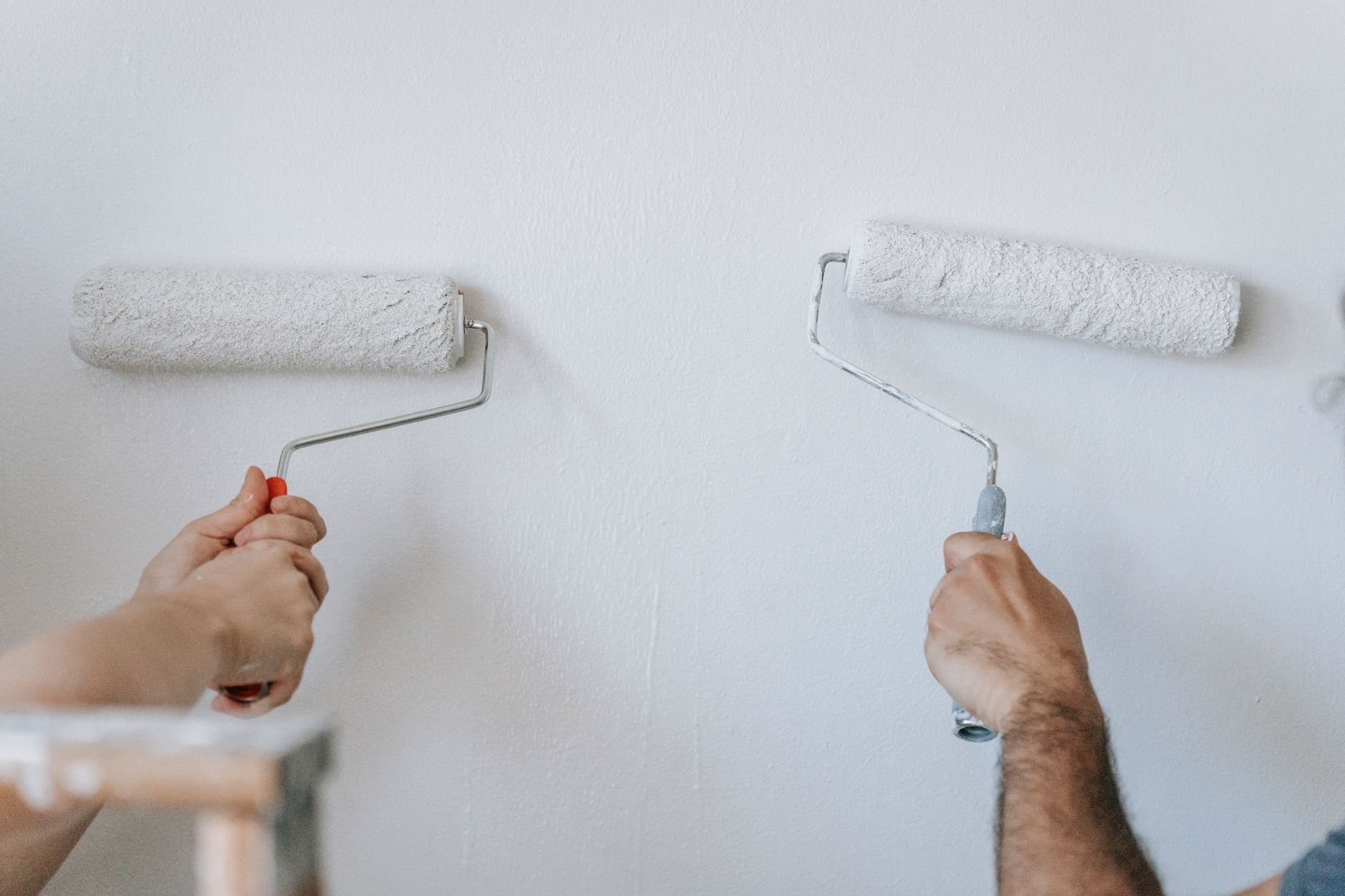
When a ceiling needs repair, not just paint
A brown ring on the ceiling is the last step of a process, not the first. By the time a stain shows, water has soaked the paper face, wicked into the gypsum core, and usually wet the insulation on top. Paint hides the ring for a few weeks, then the residue bleeds back through. If the board is dry and firm and the leak is proven fixed, stain-blocking primer and ceiling paint can be enough — that’s painting, not repair.
You need repair when the drywall is soft, sags between joists, has lifted tape joints, or carries a stain that keeps growing. A partial collapse is the same job with the demolition already started. If a flood or long-running leak soaked walls and floors too, start with water damage restoration and we’ll fold the ceiling into that scope; wet board on a wall is water-damaged drywall replacement.
What this page is not: a new lid for a remodel (drywall ceiling hanging and finishing) or scraping a dated texture (popcorn ceiling removal). Those are cosmetic choices within our ceiling installation and repair service. This one has a leak behind it, and the leak decides everything.
What repairing a water-damaged ceiling involves
- Find and stop the source. We trace the stain upward — roof, flashing, attic condensation, a supply line, a tub drain, a condensate pan. Roof and flashing fixes are ours; plumbing repairs are done by licensed plumbers under our contract, and the ceiling isn’t closed until the pipe is proven dry.
- Map the moisture. A pin meter and an infrared camera show how far the water travelled; the cut line follows the meter, not the ring.
- Cut back to sound board. Soft gypsum comes out to the nearest joists so the new piece lands on solid framing. Wet fiberglass batts come out too — they hold water against the drywall and have lost most of their R-value. Clumped cellulose is vacuumed and replaced.
- Dry the cavity and check framing. Air movers and, where needed, a dehumidifier run until the joists read normal moisture content. A joist softened by a long-term leak gets sistered.
- Hang, tape, and finish. Ceiling board goes in at the original thickness — 5/8-inch or sag-resistant 1/2-inch on 24-inch joist spacing — with backing where the cut leaves an unsupported edge. Joints taped, three coats of compound, sanded flat.
- Match the texture and prime. Orange peel, knockdown, or skip trowel is blended into the field and feathered so the edge disappears in raking light. A shellac or oil-based stain blocker goes on before the whole ceiling is painted.

What usually leaks onto a Salt Lake City ceiling
Top-floor ceilings in this valley get hit by the roof, and the roof gets hit by winter. Attic heat melts the underside of the snowpack and the meltwater refreezes at the cold eave — an ice dam. With roughly a hundred freeze-thaw days along the Wasatch Front, that dam backs water under the shingles for weeks, and the stain appears near an exterior wall, often in March. Canyon winds loosen shingles and flashing on the east benches; a summer cloudburst finds the gap. Those fixes route through roof leak repair before any drywall goes up; in winter that can mean a temporary dry-in now and the permanent fix when the snow is off.
Ceilings under a bathroom or kitchen are a plumbing story. Salt Lake City’s hard water scales fittings and supply lines, and a pinhole in copper or a weeping tub drain can wet a ceiling for weeks before it sags. Slow leaks grow mold behind the paint — the EPA’s mold guidance is to dry wet materials within 24 to 48 hours, which a hidden drip never allows. Where we find growth, we cut wider, bag the material, and treat the framing before closing.
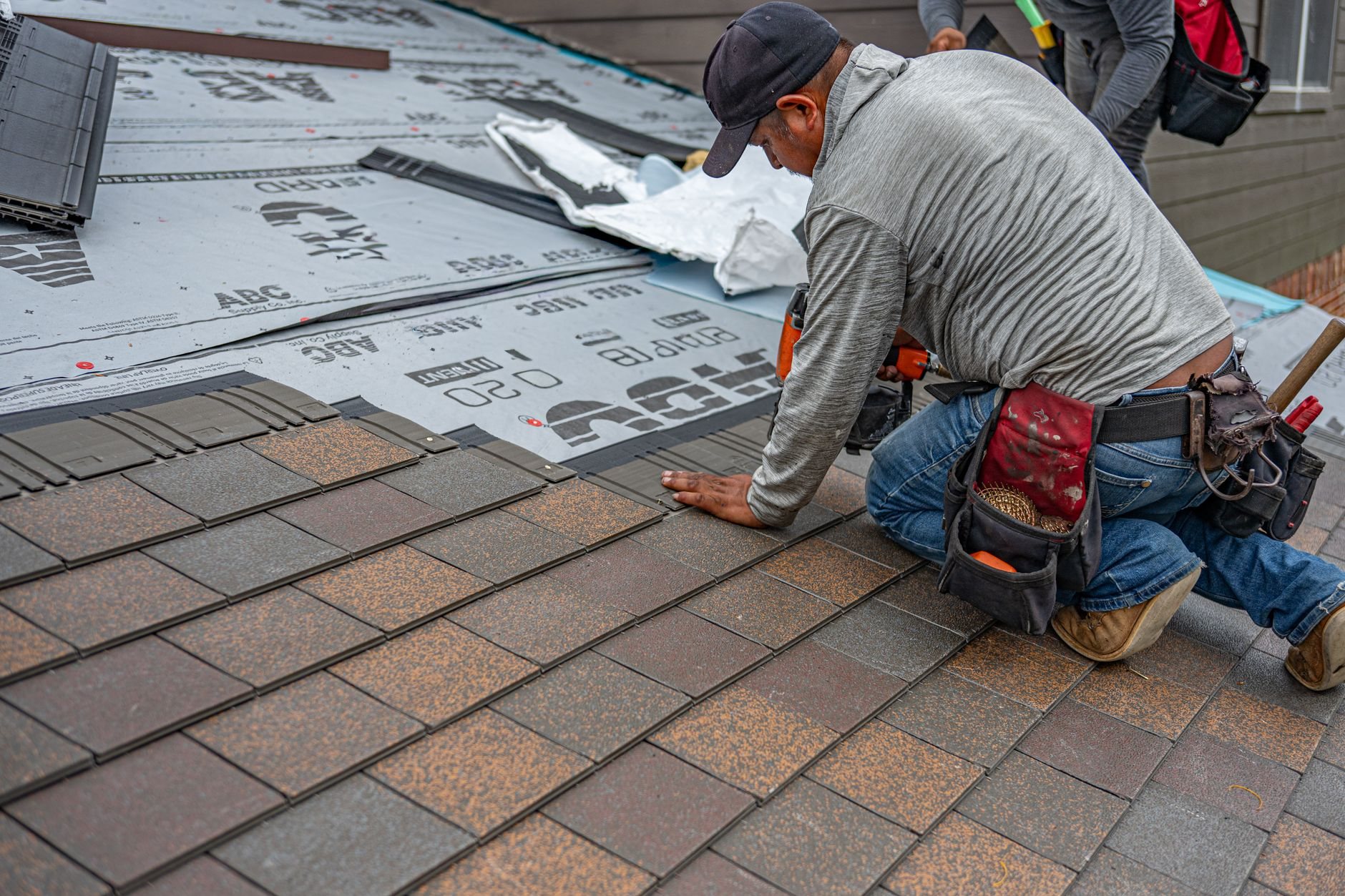
What does water-damaged ceiling repair cost in Salt Lake City?
As ballpark planning numbers: one stained section with the leak already fixed — cut out, patched, textured, ceiling repainted — typically runs a few hundred to around a thousand dollars. A sagging or collapsed area with wet insulation replaced and drying equipment lands more often in the low thousands. Source repairs are separate line items.
What moves the number: how far moisture spread beyond the stain, whether insulation comes out, a vaulted ceiling that needs staging, a slow-to-blend texture, and drying time. We document moisture readings and photos for your insurance adjuster. If the leak ran down the walls too, drywall texture matching is scoped with it, and larger interior work runs through our renovation and build-outs hub. A real estimate follows a real look; verify our license at dopl.utah.gov first.
Questions we actually get
Can you just paint over the water stain?
Only if the leak is fixed and the drywall is dry and firm. Even then it needs a shellac or oil-based stain-blocking primer first — ordinary paint lets the stain bleed back within weeks. If the board is soft, sagging, or still spreading, paint is money spent twice.
How much of the ceiling has to come out?
Usually more than the stain shows. A moisture meter typically finds wet board a foot or two past the visible ring, and we cut to the nearest joists so the new piece is fully supported. Wet insulation above the cut comes out too. A single stain often becomes a two-by-four-foot patch.
Do I need to fix the roof or plumbing before you repair the ceiling?
Yes, and we’d rather do both under one contract than patch over an active leak. Roof and flashing repairs are our work; plumbing repairs are done by licensed plumbers we manage and schedule. In winter, a temporary roof dry-in lets the ceiling repair proceed while the permanent fix waits for clear shingles.
Will the patch be visible after texture and paint?
Not if the texture is matched and the whole ceiling is repainted. We spray or trowel the same pattern, feather it into the field, and paint corner to corner so there’s no sheen line. Painting only the patch is the usual reason a repair shows in afternoon light.
Tell us what you’re working on
We reply within a couple of hours during business hours — a day at most. You’ll get a straight read on scope, sequence, and budget before anyone commits to anything.