
Site feasibility & due-diligence studies
A site feasibility study answers one question before you close on a parcel or spend design money: can this ground carry the project you have in mind, and at what cost? Grandview, a licensed Utah B100 general contractor, runs due-diligence studies on lots and land across Utah County and Salt Lake County.

When a feasibility study is the right purchase
Feasibility work belongs before you own the land, or before you commit an owned parcel to a program. If you’re under contract on a lot with a 30- or 45-day due-diligence period, this is the study that tells you whether to close, renegotiate, or walk. If you’ve held a parcel for years, the same analysis tells you what it can support.
It sits upstream of everything else in our preconstruction and estimating family. Once the site checks out and a program exists, conceptual estimating puts a budget range on the building itself. Once drawings exist, a constructability review reads them for conflicts, and scheduling and phasing maps the calendar. Buying the wrong lot is the one preconstruction mistake no amount of later estimating can fix.
What a due-diligence study actually checks
We look at a parcel the way a builder has to: ground, rules, services, and money, in that order. The deliverable is a written go/no-go read with site-specific cost premiums attached, not a stack of raw reports.
- Ground. Desktop review of mapped geologic hazards — fault traces, liquefaction, landslide, and problem soils — using Utah Geological Survey hazard mapping, plus slope, drainage, and whether a geotechnical investigation is warranted.
- Rules. Zoning and permitted use, setbacks and height, sensitive-lands and steep-slope ordinances, hazard-study requirements many Wasatch Front cities impose on bench lots, and a realistic read on the entitlement path and timeline.
- Services. Water and sewer availability and the will-serve question, power capacity, legal access and frontage, easements that cross the parcel, and the cost of extending anything that isn’t at the property line.
- Money. A preliminary site-cost model: grading and retaining premiums, over-excavation risk, utility extensions, impact fees, and how all of it lands against the price you’re paying for the dirt.
Where a finding needs a specialist — a geotechnical engineer, a surveyor, an environmental assessment — we tell you which study to order, what it should cost, and what answer would change the decision.
How a feasibility study runs
- Define the deal. The parcel, the program you intend for it, your price, and your deadline — usually the due-diligence expiration date.
- Records pull. Zoning, plat, recorded easements, county parcel data, hazard maps, floodplain status, and prior permits on the site.
- Walk the ground. We visit the parcel and read what maps miss: drainage, access grades, fill from previous owners, neighboring conditions.
- City conversation. A direct call or counter visit with the planning and building departments to confirm use, process, and any studies they’ll require.
- Cost the constraints. Every finding becomes a number or a flagged risk — a retaining premium, a sewer extension, a contingency.
- Deliver the read. A plain-language summary: build, renegotiate, or walk, with the reasoning and numbers behind it.
What makes a Utah lot expensive to build on?
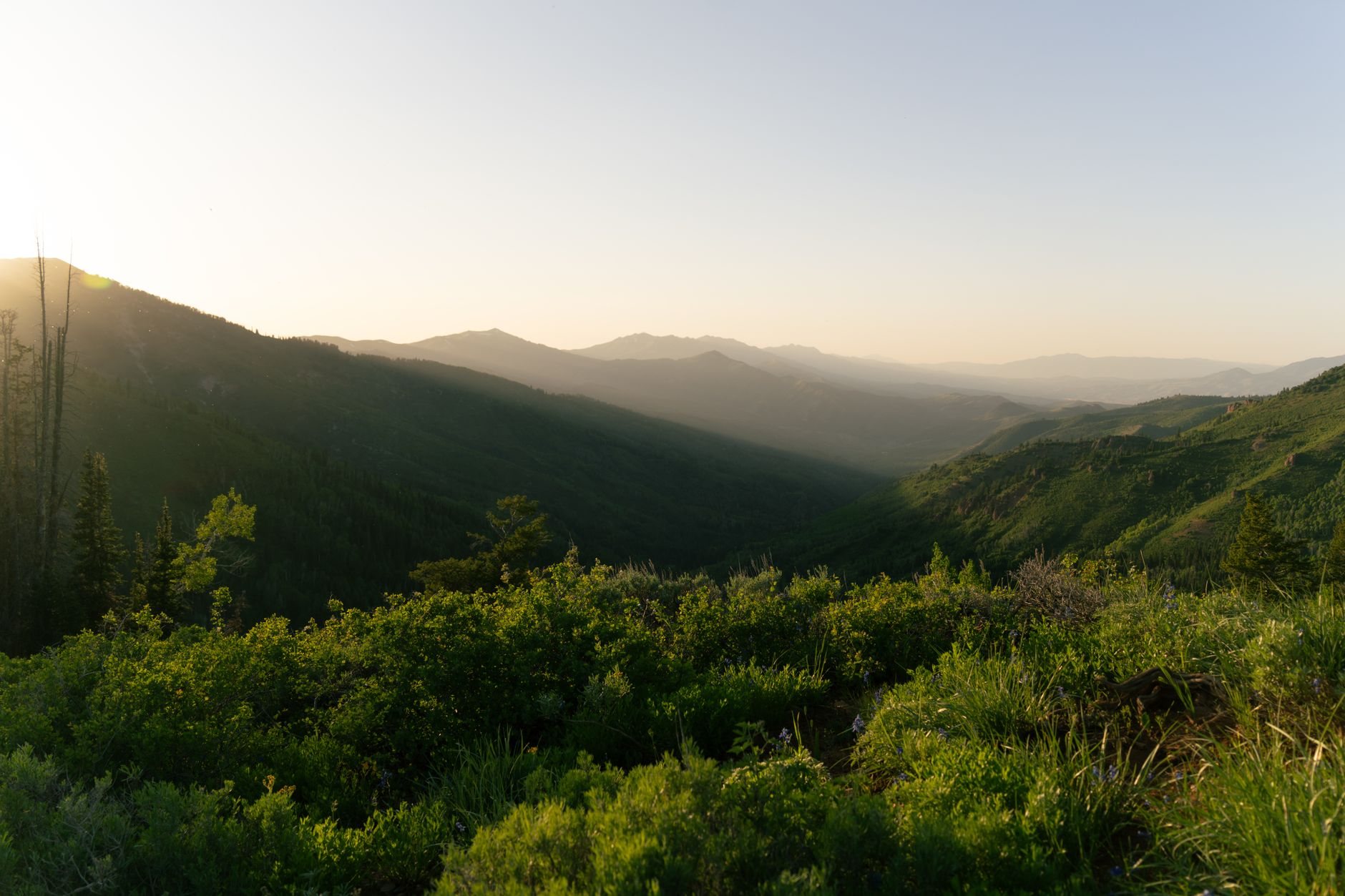
Along the Wasatch Front, the same views that sell a bench lot are what complicate it. Mapped traces of the Wasatch fault carry surface-fault-rupture setbacks that can push a building envelope well inside the lot lines, and seismic hazard on the fault is well documented by the USGS. Bench soils can be collapsible, while much of the valley floor sits on expansive clay. Either can add over-excavation, structural fill, or a deeper foundation — which is why the geotech question gets answered during diligence, not after the excavator does.
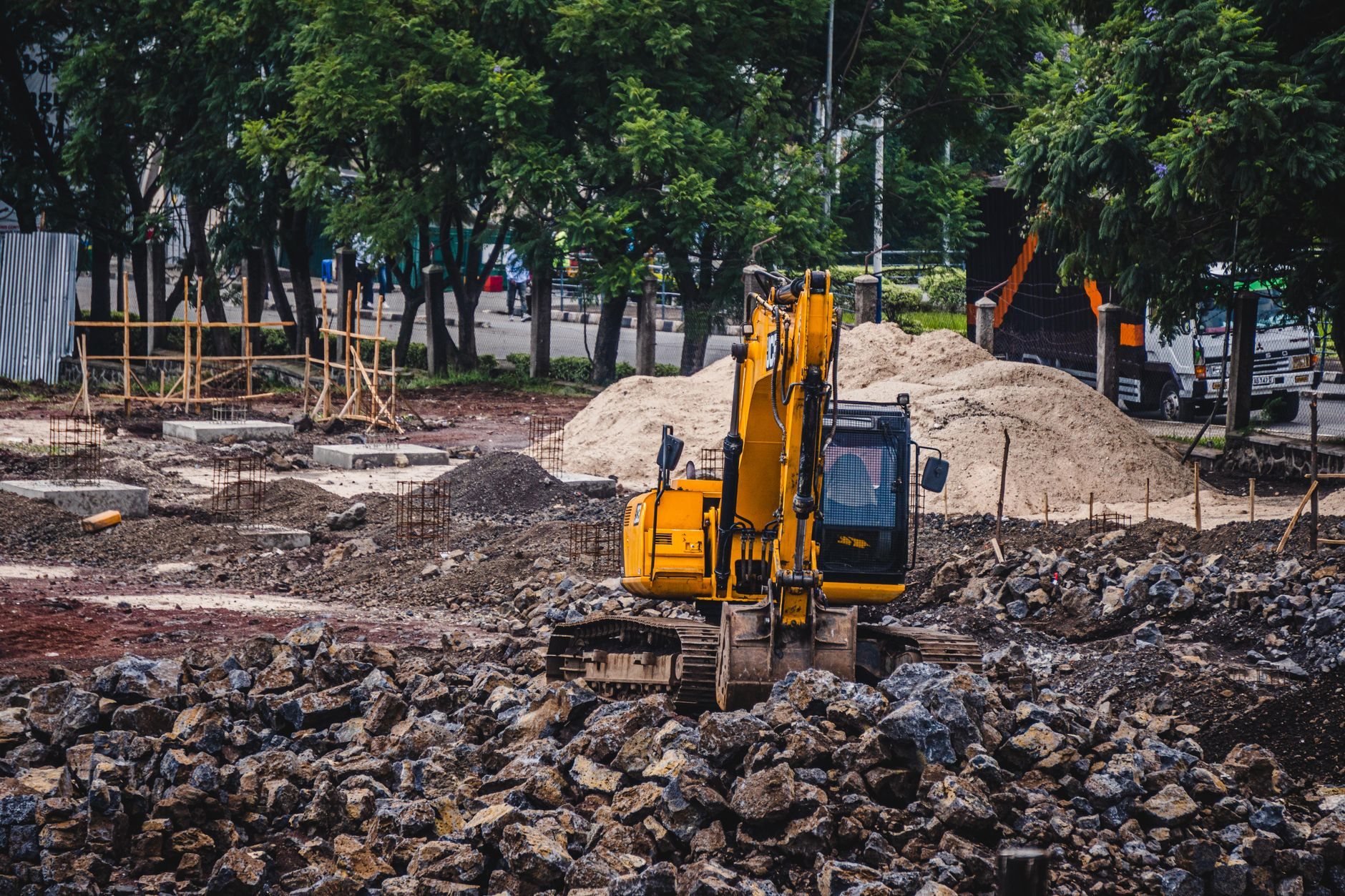
Slope compounds it: steep lots trigger sensitive-lands review in many cities, and engineered retaining walls are routinely one of the largest surprises in a hillside site budget. And in fast-growth cities like Lehi, Saratoga Springs, and Eagle Mountain, the binding constraint is often services rather than soil — will-serve commitments, impact fees, and utility extensions can swing a site budget by more than the grading does. None of this necessarily kills a deal. It just belongs in the purchase price negotiation instead of the change-order log.
For planning purposes: a residential-lot feasibility study typically runs a few hundred to around a thousand dollars; commercial and multifamily due diligence runs more. Ballpark planning numbers; the fee goes in writing first.
Questions we actually get
How much does a site feasibility study cost in Utah?
Most residential-lot studies run a few hundred to around a thousand dollars; commercial and multifamily due diligence runs more. Third-party reports like geotech or survey are separate, and we scope those before you spend. These are ballpark planning numbers — the actual fee goes in writing before we start.
Can you finish inside my due-diligence window?
Usually, yes. Tell us the expiration date up front and we work backward from it. Records pull, site walk, and city conversations fit comfortably inside a typical 30-day window. The pinch point is third-party work — a geotechnical report can take two to four weeks — so if the ground looks questionable, we flag that in the first week, not the last.
Is a feasibility study the same as a geotechnical report?
No. A geotechnical report is one engineer’s answer to one question: what the soil is and what it means for a foundation. A feasibility study is the whole decision — zoning, entitlement path, hazards, utilities, access, and cost — and it tells you whether a geotech report is worth ordering before you pay for it.
What kills a land deal most often?
Rarely one dramatic finding — usually an accumulation. A sewer main two hundred feet away, a fault-setback line through the best building pad, a slope ordinance that shrinks the envelope, an easement nobody mentioned. Individually survivable, together they can erase the margin. The study’s job is to add them up before your earnest money goes hard.
Where a good site read leads
If the parcel passes, the findings feed the next decisions: a budget through conceptual estimating, a delivery plan through our broader planning and project management services, and eventually new construction on ground you already understand. If it doesn’t pass, you’ve spent a fraction of one change order to find out. Either answer is a good outcome.
Under contract on a parcel? Start the clock
Send us the address and your due-diligence deadline. We reply within a couple of hours during business hours — a day at most — with what the study would cover, what it costs, and whether the timeline works.