
Construction scheduling & phasing plans
A construction schedule and phasing plan maps every trade, inspection, delivery, and dependency in your project onto a calendar — and shows what actually happens to the finish date when one of them moves. Grandview builds them as a licensed Utah B100 general contractor, for owners who need a defensible timeline before they commit money to one.
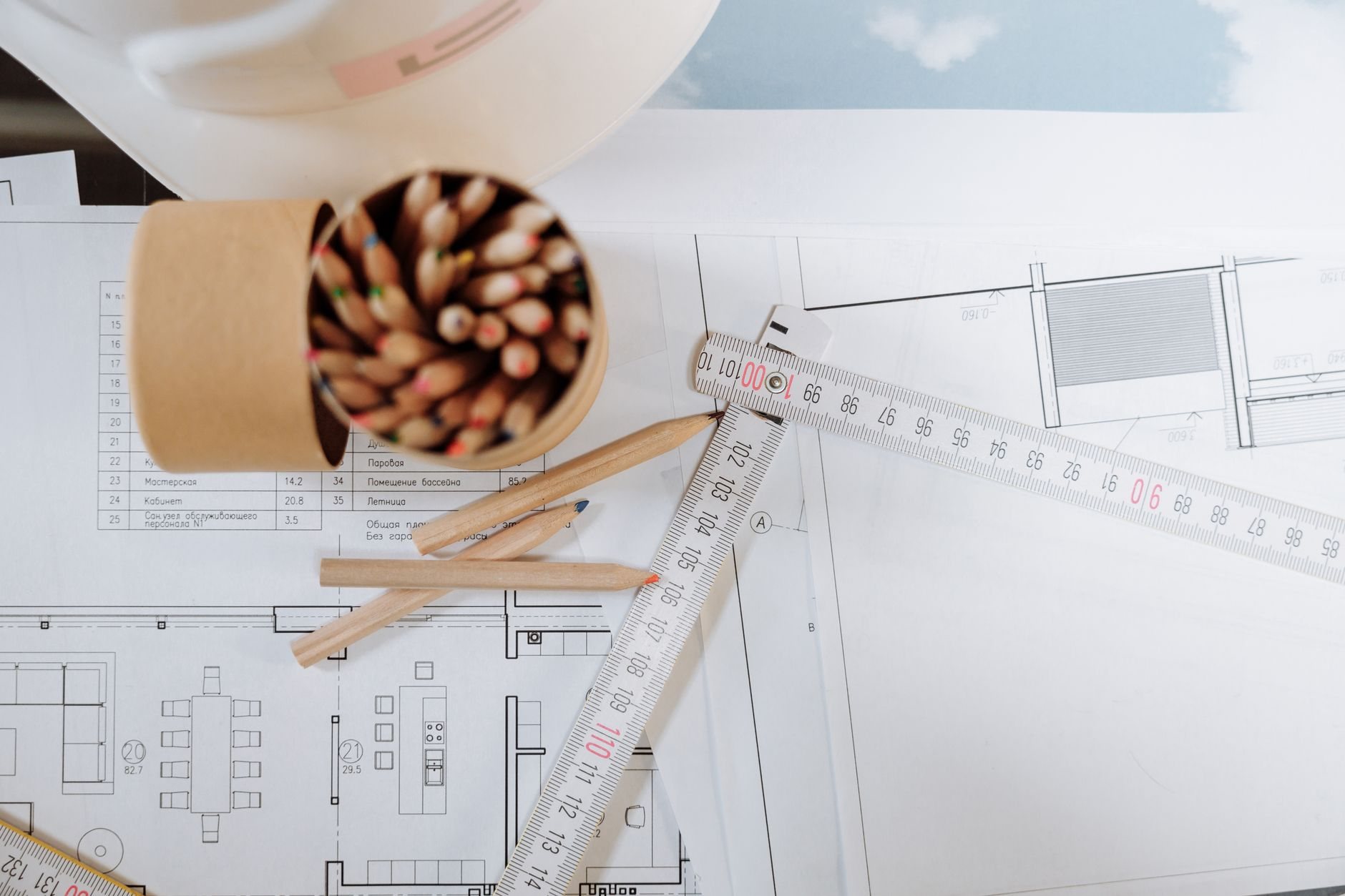
When a scheduling and phasing plan is the right purchase
You need one when the calendar carries real money. A developer with a construction loan pays interest on every month of build time. A business owner renovating an operating storefront loses revenue for every week the doors are closed. A family funding an addition with a bridge loan has a hard date the project has to respect. “About eight months” is not an answer — you need to know which eight months, and where the float is.
It’s a different deliverable than its neighbors in our preconstruction and estimating family. A conceptual budget answers what the project costs; a constructability review asks whether the drawings can be built as drawn. The schedule answers when — and the phasing plan answers in what order, and what stays usable while we work. We see dependencies before they become delays.
What goes into the schedule
We build a critical-path schedule, which is less exotic than it sounds: every activity gets a duration, a crew, and a list of what must finish before it can start. Chain those dependencies together and one path emerges with zero slack — the critical path. A day lost there is a day lost at the end; a day lost anywhere else just burns float. Knowing which is which is how you decide calmly whether a late delivery matters.
The inputs are specific. Permit and plan-review durations for your actual city, not a statewide average — review timelines in fast-growth cities like Lehi, Saratoga Springs, and Eagle Mountain run heavier queues than established departments such as Provo’s development services, and the schedule should say so in weeks, not adjectives. Long-lead procurement gets its own activities: structural steel, trusses, windows, switchgear, and specialty doors are ordered off the schedule, not off panic, with release dates that back up from the day the site needs them. Inspection holds — footing, four-way, insulation, final — are built in as real activities, because a missed inspection window idles a crew as effectively as weather.
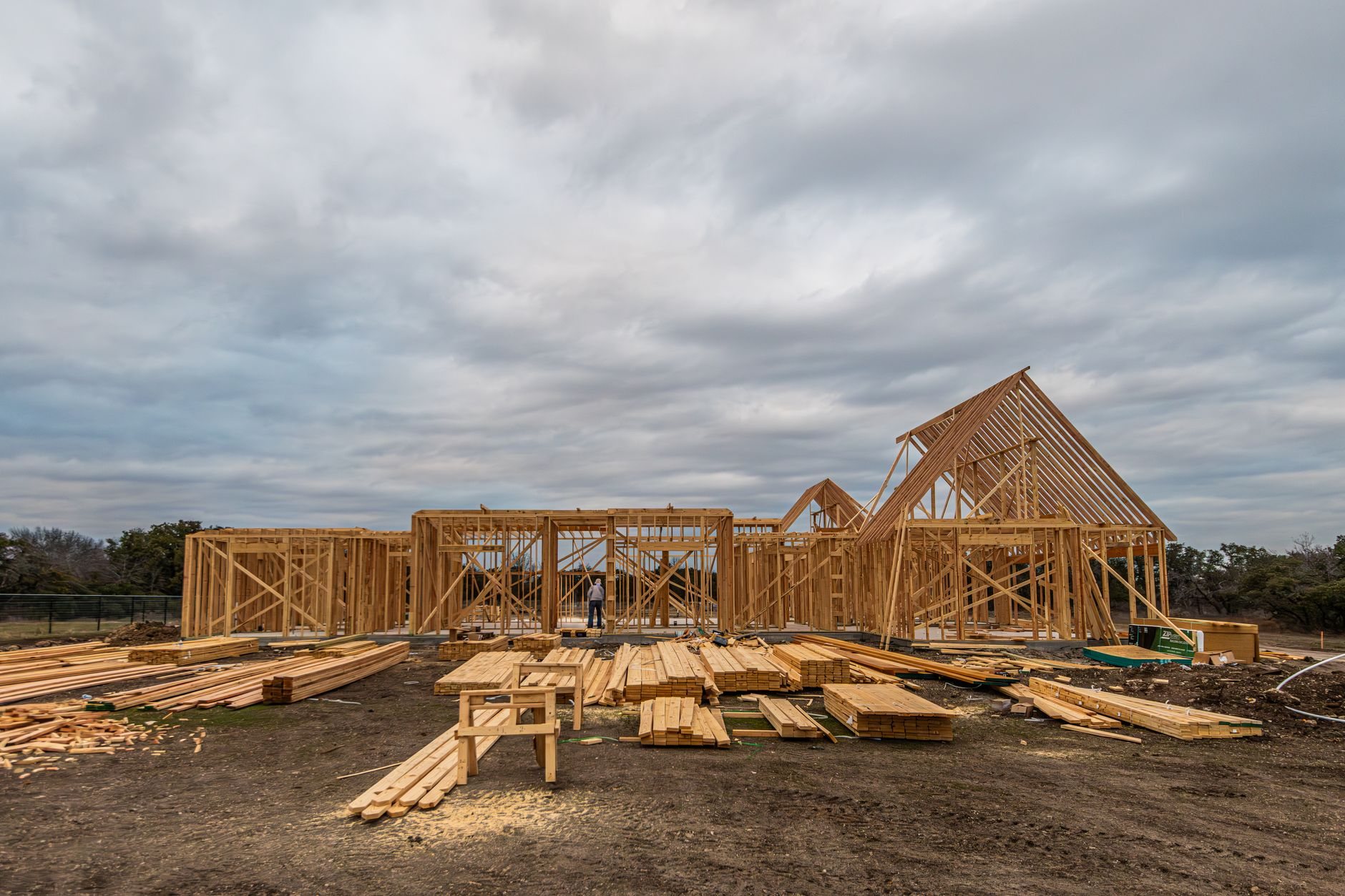
Utah’s calendar is an input of its own. Exterior concrete wants to land outside the deep-winter window or carry priced heating and protection measures, because pours in freeze-thaw season cost more and risk more. Summer monsoon cloudbursts argue for getting excavations opened, drained, and closed in tight cycles rather than left open for weeks. A schedule built in Phoenix logic fails here in December; ours is built for the Wasatch Front.
Phasing: building while life goes on
Phasing is scheduling with occupancy in the room. A tenant-improvement project sequenced suite by suite so the rest of the floor keeps working, or a home addition ordered so the family keeps a functioning kitchen until the new one is inspected — each trades some construction efficiency for continuity that’s worth more.
A real phasing plan defines the boundaries in writing: which areas close and when, where temporary walls and dust protection go, how power and plumbing stay live in occupied zones while they’re cut in the work zone, where crews park and materials stage, and which inspections each phase needs before people move back in. It also prices the trade-off honestly — phased work costs more per square foot, because crews remobilize and protection gets rebuilt at every boundary. Sometimes the right answer is two phases instead of four; we’ll show you both numbers and let you choose.
What moves a Utah construction schedule
The levers worth watching: municipal review queues; long-lead materials, where a single item like switchgear or custom windows sets the pace for everything downstream; the winter concrete and earthwork window; utility company lead times, which no contractor controls; and decision speed — owner selections that arrive late push procurement late, and procurement pushes everything. A standalone scheduling and phasing plan typically runs from a few hundred dollars on a residential project to a few thousand on phased commercial work — ballpark planning numbers, with the actual fee in writing before we start. When the project builds, the schedule usually rides inside construction management or the construction contract rather than as a separate fee, and it’s the baseline our bid packaging and buyout works against — trades priced against defined start windows bid tighter than trades pricing uncertainty.
Questions we actually get
What does a construction schedule and phasing plan cost in Utah?
Standalone, typically a few hundred dollars for a straightforward residential project up to a few thousand for phased commercial work with occupancy constraints. Those are ballpark planning numbers — the fee depends on project size and phase count, and we put it in writing first. Inside a construction contract with us, scheduling is part of the job, not a separate line.
What usually blows up a construction schedule along the Wasatch Front?
Three things lead: plan-review and revision queues in fast-growth cities, long-lead materials ordered too late, and winter landing on concrete or earthwork that could have been sequenced earlier. All three are visible months ahead, which is exactly why the schedule exists — each one gets a dated activity and a fallback instead of a surprise.
Can you phase the work so my business stays open?
Usually, yes. We sequence the work into zones with defined closures, dust and noise protection, live utilities in occupied areas, and inspection sign-offs per phase. Expect a modestly higher cost per square foot than empty-building work and a longer overall duration — we’ll price the phased and unphased versions side by side so the trade-off is a decision, not a guess.
Is the schedule a guarantee of the finish date?
No — and anyone guaranteeing a date before permits and procurement are locked is guessing. It’s a baseline with stated assumptions, float, and weather allowances, updated as facts land. What we do commit to is telling you immediately when the critical path moves and what recovers it. Grandview is a licensed Utah general contractor, verifiable at dopl.utah.gov.
Put your project on a calendar you can trust
Tell us the scope and the date that matters — opening day, lease expiration, loan maturity. We reply within a couple of hours during business hours, a day at most, with a straight read on whether the calendar and the project agree. Everything we do lives under planning and project management.