
Owner’s rep for private clients
A private-client owner’s rep gives an individual or family the same construction oversight institutions buy — contract review, draw verification, and site walks on the home someone else is building for you. Grandview, a Utah DOPL B100 licensed general contractor, provides that representation across Utah County and Salt Lake County.
When a private owner’s rep is the right fit
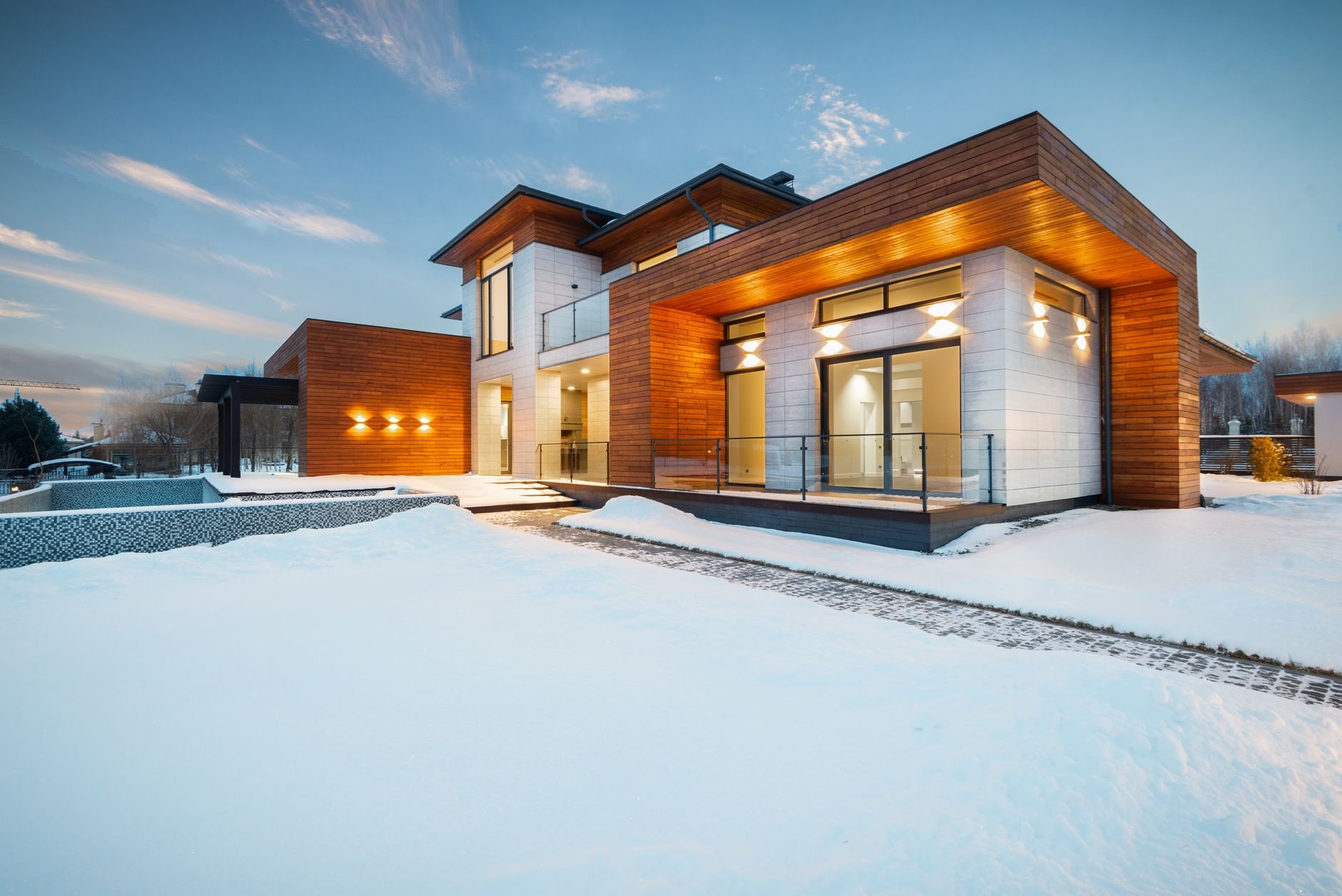
This engagement is for a person, not an organization: a family building a custom home, a homeowner mid-renovation who can no longer read the draw requests, or someone building in Utah while living elsewhere. The money is personal, and there is no facilities manager or board to lean on. The rep isn’t reporting to a committee — they’re advising the people writing the checks from their own account.
The nearest alternatives within our owner’s representation practice are worth naming. If you’re an organization with a facilities budget and recurring projects, capital project management is the better structure. If you’re an investor taking a project from land to lease-up, that’s development management. And if you only need eyes on workmanship — not contracts or money — construction oversight and QA monitoring is the narrower slice. Private-client representation covers the whole table for one household’s one project.
What we review on a private build
Private construction contracts fail differently than commercial ones, so the review targets different lines:
- The contract before you sign it. Residential builder agreements lean heavily on allowances — cabinetry, tile, appliances, flatwork — and low allowances are how a bid wins on paper and grows on site. We benchmark each against what the finish level you actually want costs, and confirm the builder’s license status at dopl.utah.gov before you commit.
- The construction-loan draw cycle. Most private builds run on a bank draw schedule, and the bank’s inspector verifies percent complete for the lender — not scope, not quality, not whether your upgrades made it in. We review each draw against work in place and collect lien waivers before money moves — an unpaid subcontractor can lien your home even after you’ve paid the builder.
- Selections and change orders. A custom home carries hundreds of owner decisions, and each can quietly become a priced change. We check pricing, confirm what was already in scope, and keep the approved budget and the billed budget reconciled.
- Milestone site walks. Footings, framing, rough-ins, waterproofing — photographed and reported in plain language before the work gets covered.
The reporting rhythm is built around people with day jobs: a short written report each draw cycle, photos readable on a phone, and a call only when a decision needs you. Good work should not require detective work.
Where Utah custom homes go sideways
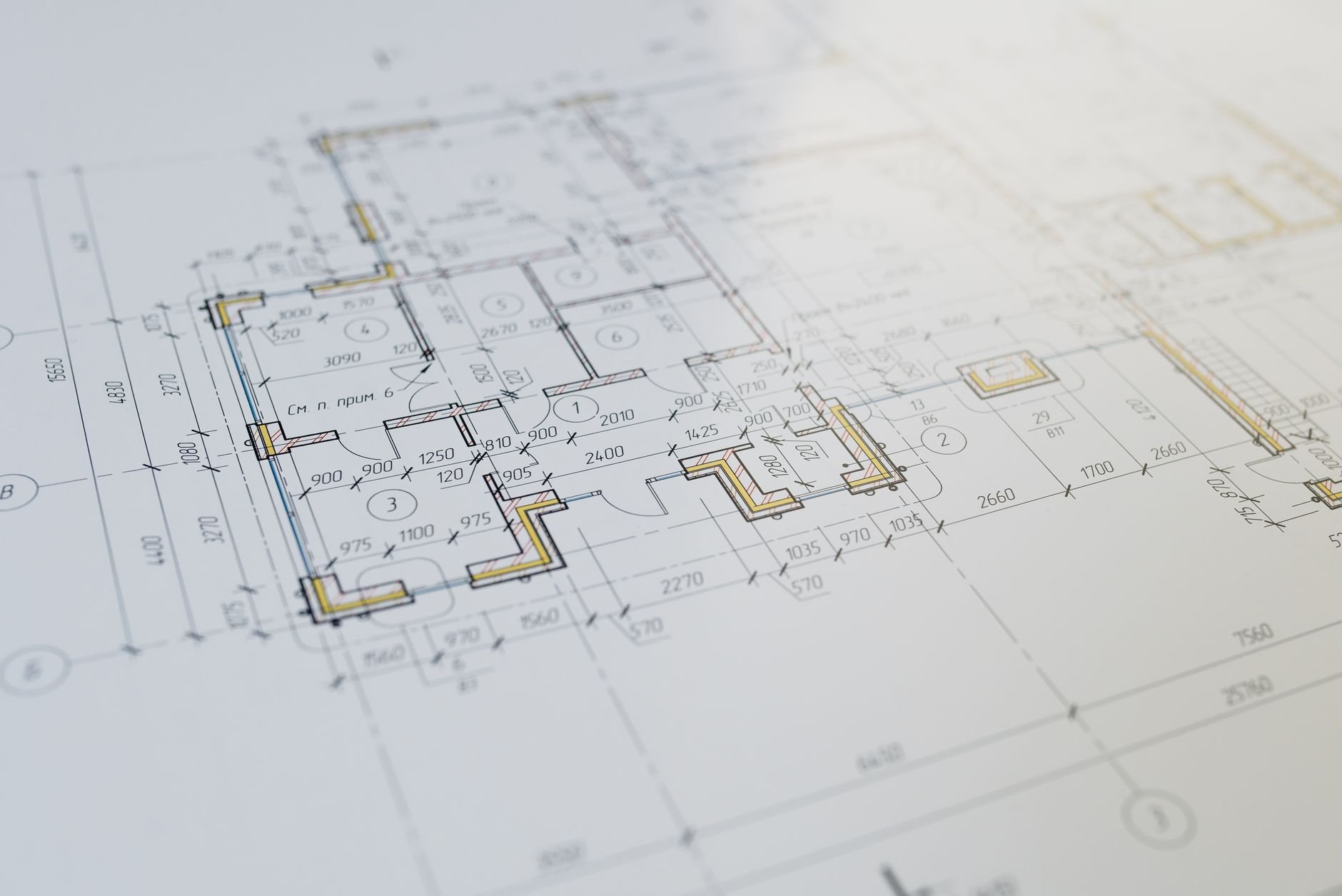
The private projects we represent are mostly custom homes and large renovations, and the local failure points are consistent. Bench lots in Alpine, Highland, Draper, and along the east benches sit on soils the Utah Geological Survey flags for expansion and collapse — so we verify the geotechnical report’s footing and over-dig recommendations actually made it into the builder’s scope, rather than arriving later as a five-figure “unforeseen conditions” change order.
Schedules are the second pattern. A baseline that assumes Orem-speed plan review on an Eagle Mountain or Saratoga Springs lot is a delay claim waiting to happen; fast-growth cities carry heavier review volumes, and we flag that at contract, not month four. Third, many private builds sit inside HOA-governed developments where architectural approval runs on its own clock — a step builders routinely leave off the schedule because it isn’t their obligation. It becomes yours, so we track it.
What does private owner’s representation cost?
As a ballpark planning number, most private-client engagements in Utah run as a flat monthly fee or hourly — commonly a few hundred to a couple thousand dollars a month depending on cadence — rather than the percentage-of-construction fee larger institutional work carries. A one-time contract-and-allowance review before signing is the lightest version, billed hourly. Fees are set in writing before we start; none of this is a quote.
What moves the number: how often you want site walks, whether we join before signing or mid-build, and how healthy the project is when we arrive. On a typical custom home, one padded allowance reconciliation or one over-billed draw can exceed a year of the fee.
Questions we actually get
My bank already sends a draw inspector. Why would I need this?
The bank’s inspector works for the lender and answers one question: is the loan collateral roughly as complete as the draw claims. They don’t check quality, verify your selections made it in, reconcile allowances, or collect lien waivers. We review each draw for you — the person actually paying for the mistakes.
Can you just review the builder’s contract before I sign?
Yes — that’s the smallest engagement we offer, billed hourly. We flag low allowances, exclusions, escalation clauses, and payment terms, and tell you where to push back before signature. We’re not attorneys and don’t give legal advice; we tell you what the construction terms will mean on site.
I live out of state while my Utah home is built. How does this work?
Well — remote owners are a large share of this work. You get a written report and photo record each draw cycle, video walk-throughs at milestones, and a call before any decision that needs you. You stay the decision-maker; we’re your eyes within our Utah County and Salt Lake County service area.
What drives the fee up or down on a single home?
Cadence and timing, mostly. Monthly draw review with milestone walks is the baseline; weekly walks or a troubled mid-build start cost more. Joining before contracts are signed is cheapest overall, because the expensive problems — low allowances, missing geotech scope, unrealistic permit schedules — are cheapest to fix on paper.
Related services
Private representation is the household-scale end of our owner’s representation practice, part of the planning and project management family. If you haven’t hired a builder yet and would rather have one accountable contract for the whole job, construction management is usually the better fit — and we’ll say so in the first conversation.
Tell us what you’re working on
Send us the builder’s contract, the latest draw, or just the story so far. We reply within a couple of hours during business hours — a day at most — with a straight read on whether representation is worth the fee on your project.