
Construction oversight & QA monitoring
Construction oversight is scheduled, independent observation of workmanship on a project someone else is building — site walks timed to the hold points that matter, documented with photos and a written report. Grandview provides it across Utah County and Salt Lake County under a DOPL B100 general contractor license, for owners who need trained eyes on the work itself.
When QA monitoring is the right engagement
This is the field slice of owner’s representation, offered on its own. Full representation covers bids, contracts, pay applications, and closeout; construction oversight covers one question — is the work in the ground and behind the walls actually right — and answers it in writing at each stage.
It fits owners whose paperwork is in decent shape but whose confidence in the workmanship isn’t. A family whose builder is competent on schedule but vague when asked how the waterproofing was detailed. An out-of-state owner who can’t walk the site personally. An investor group that trusts the numbers but wants a construction professional at footings, framing, and rough-ins — the stages that get covered up and never seen again.
If the financial side needs the same scrutiny as the field side, look one step up. Owner’s representation for private clients pairs this monitoring with contract and draw review on homes; capital project management does it for organizations running budgeted facility programs; and development management covers projects that don’t have a design yet, let alone a builder. Oversight alone is the leanest of the four — and often the one a project actually needs.
What a QA monitoring walk actually checks
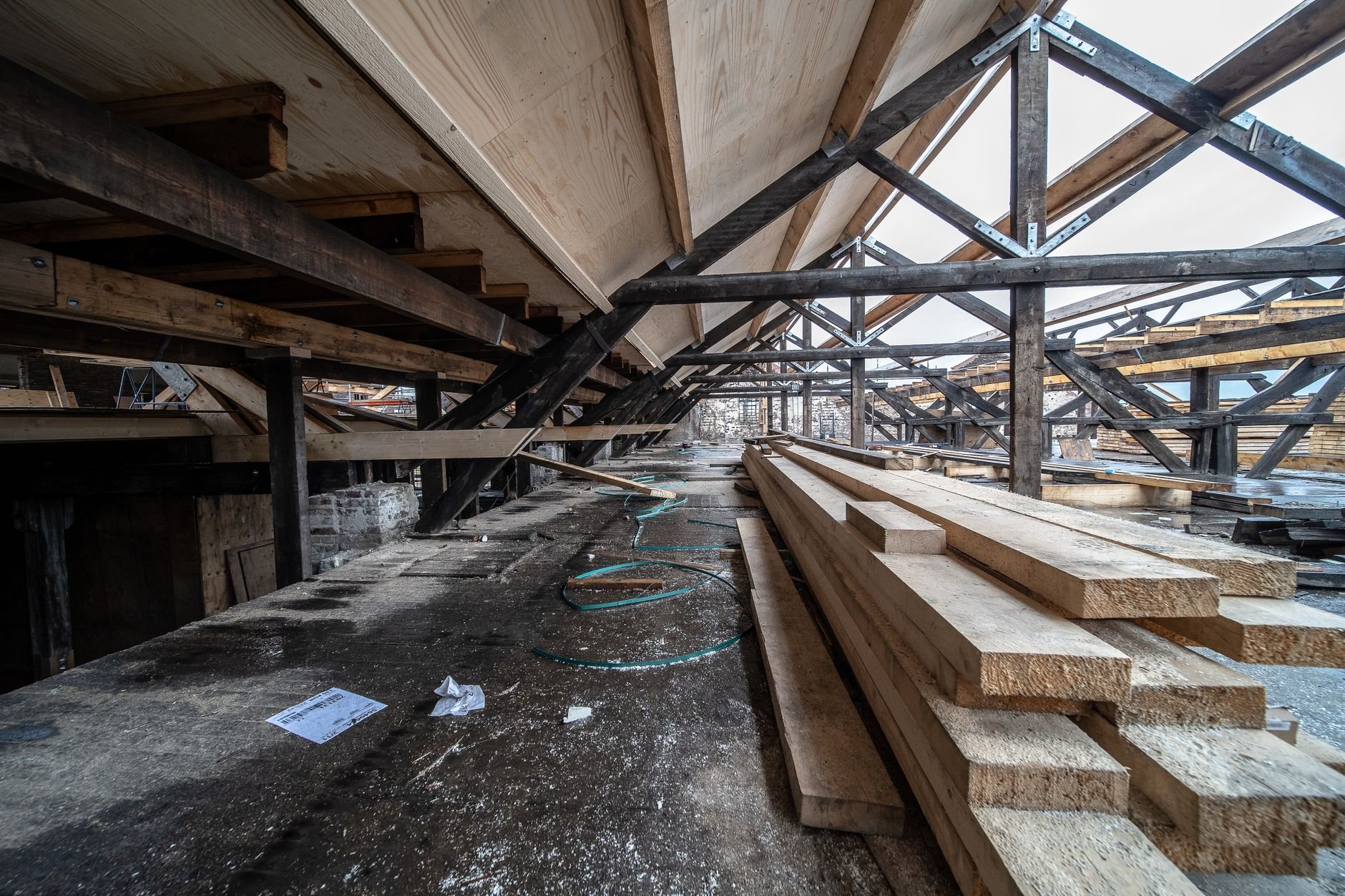
Each engagement is built around a hold-point schedule: a short list of stages where work is observed before it disappears behind the next trade. On a typical Wasatch Front build, the hold points are footing excavations and reinforcement before the pour, foundation waterproofing and drainage before backfill, framing and structural connections before insulation, MEP rough-ins before drywall, and exterior weather barriers before cladding.
At each walk we’re checking the work against three references: the stamped drawings, the manufacturer’s installation instructions for the specific products on site, and current Utah-adopted code. The output is the same every time — a dated photo record and a plain-language report listing what conforms, what doesn’t, and what needs correction before cover. Non-conforming items go on a tracked list and stay there until we photograph the fix. Good work should not require detective work.
Two things the service is not. It doesn’t replace municipal inspection — the city inspector confirms minimum code compliance in a visit that often lasts minutes, while we’re checking conformance to your drawings and specifications, which usually exceed code. And it isn’t engineering special inspection: where the structural drawings require certified special inspections — common for seismic anchorage, epoxy anchors, and welded connections near the Wasatch fault — we verify those reports exist, are signed, and match the work billed, rather than performing them ourselves.
Where Utah projects fail quality checks
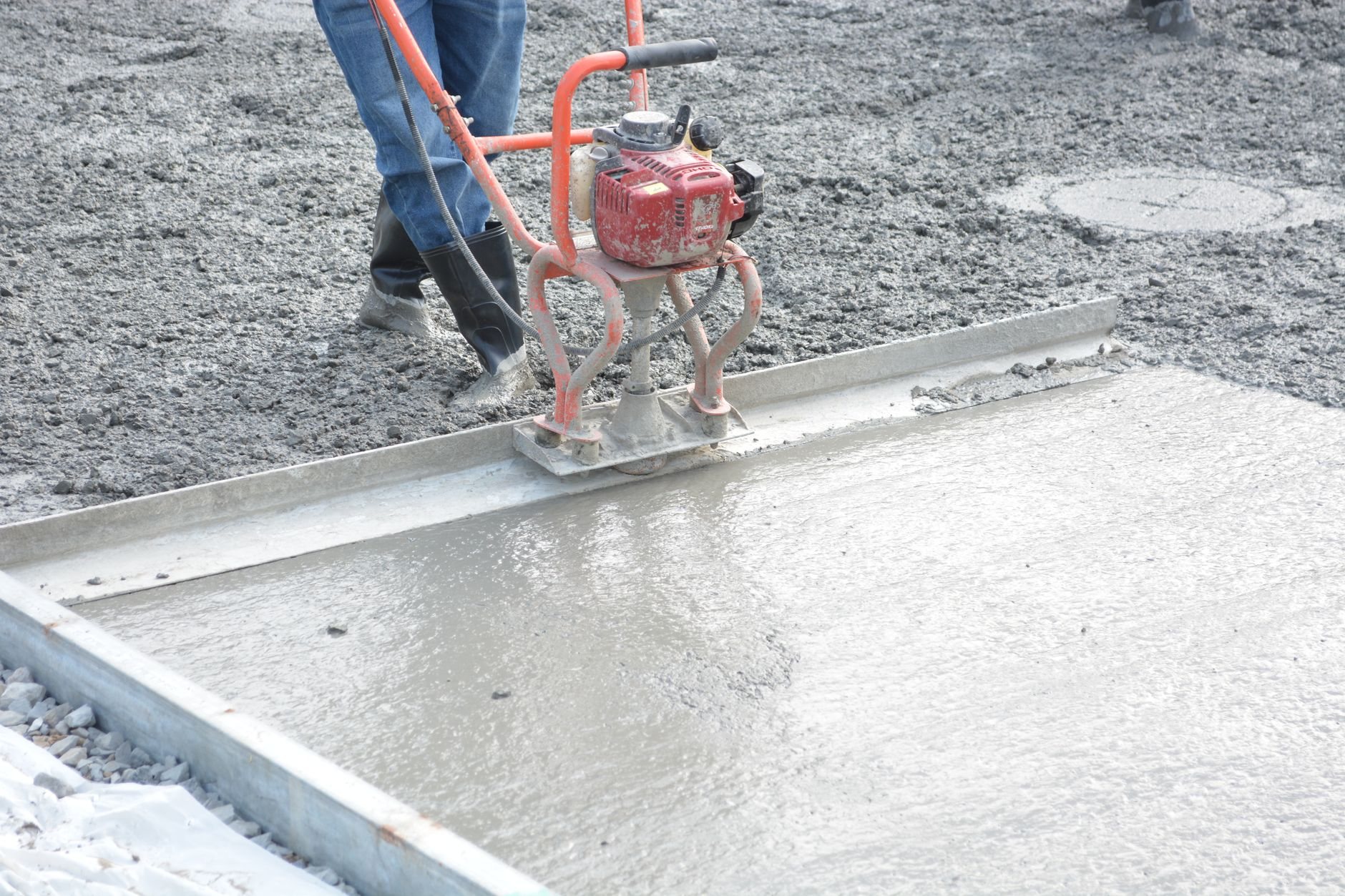
The defect patterns here are regional, and the hold-point schedule reflects them. Exterior concrete is the most common catch: with a hundred-plus freeze–thaw days a year along the Wasatch Front, flatwork poured without an air-entrained mix will spall within a few winters, so we ask for the batch ticket at the pour — not after the driveway pits. Foundations are second: much of the valley sits on expansive clay or collapsible bench soils, and we check that the footing prep on site matches what the geotechnical report actually recommended, because the gap between those two documents is where settlement claims are born.
Scheduling the walks takes local knowledge too. Municipal inspectors in fast-growth cities like Lehi, Saratoga Springs, and Eagle Mountain carry heavy caseloads, which shortens their site time and raises the value of an independent set of eyes at cover stages. We time our walks a day or two ahead of the city’s, so correction happens before an inspection gets failed — or worse, passed and covered.
What does construction oversight cost in Utah?
Oversight is billed per site visit or as a flat monthly amount, set in writing before the engagement starts. As ballpark planning numbers only: a single-stage walk with a written report typically runs a few hundred dollars, and a full hold-point package across a custom-home build — usually six to ten walks over the construction schedule — commonly lands in the low four figures. None of these figures is a quote.
What moves the number: the length of the hold-point list, travel and cadence (weekly walks on an occupied or phased project cost more than milestone walks), and whether the engagement starts clean or begins with a catch-up review of work already covered. Reviewing what’s behind existing drywall takes more time than watching it go in.
Questions we actually get
Isn’t this what the city inspector already does?
No. Municipal inspection confirms minimum code compliance, usually in a brief visit at a handful of required stages. QA monitoring checks the work against your drawings and specifications — which typically exceed code — and produces a photo record and written report you keep. The two overlap far less than most owners assume.
Does my builder have to agree to this?
Practically, yes — site access runs through the builder, and most construction contracts already give the owner or their representative the right to observe work. We coordinate walks with the superintendent so nothing gets covered early, and in our experience good builders don’t mind. A builder who resists documented observation is telling you something useful.
What happens when you find a defect?
It goes on a written non-conformance list with photos, the drawing or manufacturer-instruction reference it violates, and a recommended correction. You decide what to do with that — we have no authority to direct the builder. Most items get fixed quickly once they’re documented, because a dated photo record removes the argument.
What drives the cost of an oversight engagement?
Mostly the number of hold points and the cadence. A milestone package on a single home is a handful of walks; weekly monitoring on a phased commercial project is a standing commitment. Starting mid-build adds a catch-up review of covered work. Fees are set in writing up front, per visit or per month.
Related planning and management services
Construction oversight sits within our planning and project management family. If the project needs document and financial review as well as field observation, start with owner’s representation; many of the builds we monitor are custom homes, where the cover stages carry the most risk.
Tell us what you’re working on
Send us the drawings and the construction schedule, and we’ll propose a hold-point list within a couple of hours during business hours — a day at most — along with a straight read on whether your project needs full oversight or just two well-timed walks.