
Capital project management in Salt Lake City
Capital project management is owner-side oversight of a program of projects — the roof replacements, repaves, renovations, and upgrades an organization funds year after year. Grandview manages capital programs for property owners, HOAs, and institutions across Salt Lake and Utah Counties, as a licensed Utah DOPL B100 general contractor.
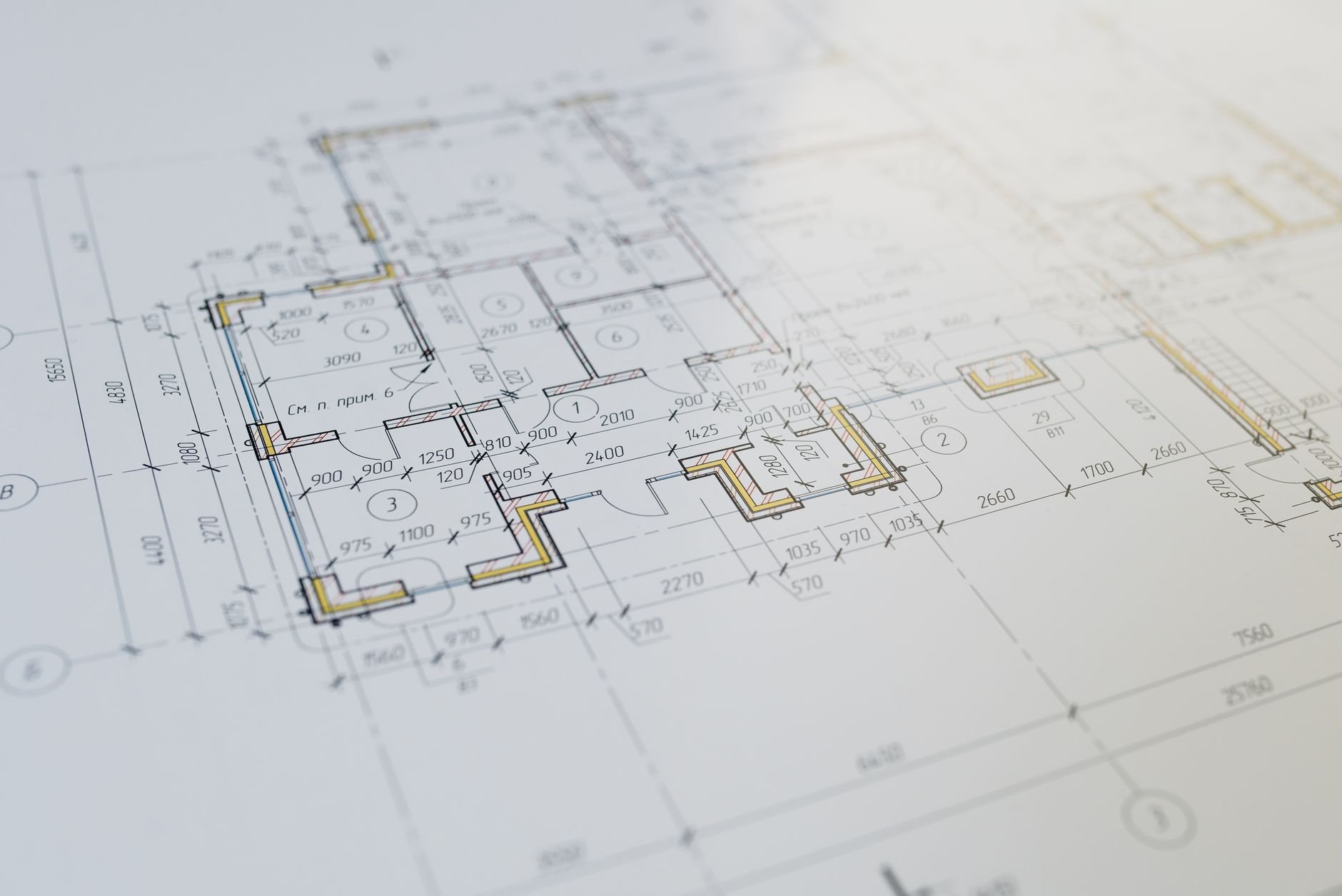
When capital project management is the right engagement
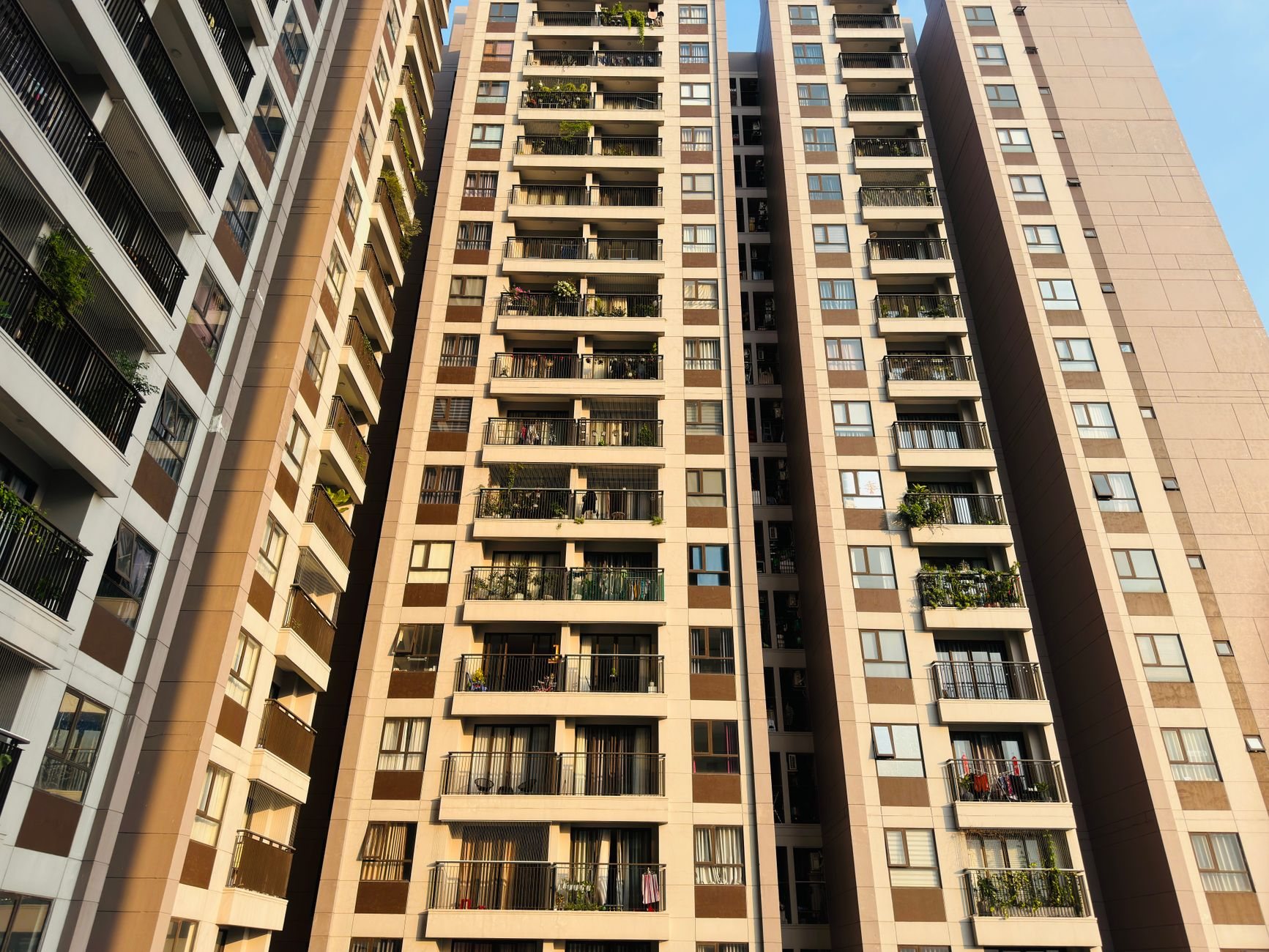
The tell is the plural. If your organization owns buildings and spends real money on them every year — an HOA working through a reserve study, a church or school with a facilities committee, a landlord with a handful of aging properties — you don’t have a project. You have a program, and programs fail differently. Money gets spent in the wrong order. The parking lot gets sealed the year before the trenching that tears it up. Three small contracts go to three contractors who each price the mobilization you could have paid for once.
Our nearest neighbors on this branch handle the singular cases. If you’re a family or individual with one build to protect, owner’s representation for private clients is the better fit. If the goal is a ground-up development from land through occupancy, that’s development management. And if you only need eyes on workmanship while someone else runs the contracts, construction oversight and QA monitoring is the lighter engagement. Capital project management is for the question behind all of those: are we spending the next five years of capital well?
What does a capital project manager actually do?
A capital project manager turns a backlog of deferred maintenance and wish-list items into a sequenced, budgeted, multi-year plan — then delivers it, project by project, reporting to your board in plain language:
- Condition assessment. Walking your buildings and grounds to document what’s failing, what’s merely ugly, and what’s fine — with remaining-life estimates a budget can use.
- Capital plan development. Sequencing the work across fiscal years so funding, disruption, and dependencies line up. Site utilities before flatwork; roofs before interior finishes below them.
- Reserve-study alignment. For HOAs, reconciling the reserve study’s component schedule with observed conditions, so the board funds reality rather than a spreadsheet’s assumptions.
- Budgeting and procurement. Pricing each year’s slate, packaging projects to buy mobilization once instead of thrice, and leveling bids — including verifying every bidder’s license at dopl.utah.gov before the shortlist.
- Delivery oversight. Contracts, schedules, pay applications, lien waivers, and site quality on each project as it runs — the same discipline as single-project owner’s representation, applied program-wide.
- Board reporting and closeout. One recurring report covering spend against budget, schedule against plan, and decisions needed — plus warranty and as-built records filed where the next committee can find them.
Because we price and build this kind of work for a living, the plan starts from real numbers. We see dependencies before they become delays.
Planning capital cycles around Utah conditions
Component lifespans in a capital plan are local facts, not national averages. Along the Wasatch Front, exterior concrete and asphalt live through a hundred-plus freeze–thaw days a year, which shortens flatwork and pavement cycles compared to the tables most reserve studies import — and makes air-entrained mixes worth specifying on every replacement pour. High-elevation UV works the same way on paint, sealants, and membrane roofing: finishes weather faster here than the national tables assume, and a plan that budgets for it avoids the emergency line item later.
Salt Lake City programs carry one more planning question: seismic. Older masonry buildings near the Wasatch fault often justify folding structural retrofit into capital cycles — anchoring parapets during a planned reroof costs far less than doing it as a standalone project. We flag those pairings during assessment.
What does capital project management cost in Utah?
As a ballpark planning number, full program management typically runs about 3–5% of annual capital spend on smaller Utah programs, trending lower as the program grows. A standalone condition assessment and five-year plan is usually a fixed fee; delivery-only oversight of an already-planned year is often a monthly retainer. Every fee is set in writing before we start — none of these figures is a quote.
What moves the number: the count of buildings and sites, whether a current reserve study exists or we’re building the record from scratch, how many projects run concurrently, and reporting cadence. The offsetting math is simple: one properly packaged bid year, or one repave that no longer gets trenched through, tends to cover the fee.
Questions we actually get
How is this different from hiring an owner’s rep for each project?
Continuity and sequencing. A per-project rep protects each job but nobody owns the order, the packaging, or the five-year budget — which is where program money is usually lost. Capital project management carries one plan and one reporting thread across every project, then applies project-level oversight inside it.
We already have a reserve study. Why would we need this?
A reserve study is a funding document, not a delivery plan. It tells the board roughly what to save; it doesn’t sequence work around dependencies, package bids, or check pay applications. We treat a good reserve study as the starting budget, build the executable plan, and flag where observed conditions disagree with it.
Can you manage the program but let our existing contractors do the work?
Yes. In this role we hold no construction contracts — you keep your relationships, and we plan, bid-level, schedule, and quality-check the work they perform. If a project needs a contractor you don’t have, we run a real procurement rather than steering it anywhere.
What constraints most often break a capital plan’s first year?
Funding timing and occupancy. HOA special assessments and institutional budget approvals land on fixed calendars, and exterior work in Utah has a real weather window — concrete and roofing seasons don’t move for a board vote. We build the first year around the money and the calendar you actually have, not the ideal ones.
Related planning and management services
Capital project management sits within our owner’s representation practice, part of the planning and project management family. When one project in your program deserves its own pricing exercise, preconstruction and estimating puts real numbers on it before the board commits.
Tell us what you’re working on
Send the reserve study, the deferred-maintenance list, or just the addresses. We reply within a couple of hours during business hours — a day at most — with a straight read on what a capital plan for your properties would involve.