
Affordable & LIHTC housing construction
LIHTC construction is multifamily building where the financing — federal Low-Income Housing Tax Credits allocated through Utah Housing Corporation — dictates the schedule, the documentation, and much of the spec. Grandview Contractors builds affordable and tax-credit housing across Utah County and the Salt Lake Valley under Utah DOPL B100 license #14282236-5501, verifiable at dopl.utah.gov.

When a tax-credit deal is the right lane
If your project’s rents are restricted in exchange for equity — a 9% competitive award or 4% credits paired with tax-exempt bonds — you’re building LIHTC housing, and the general contractor needs to understand what that means before the first footing is poured. This page is for nonprofit sponsors, housing authorities, and developers holding or pursuing an award from Utah Housing Corporation.
If your building is market-rate, our garden-style apartment and mid-rise multifamily pages describe the same building types without the compliance layer. Age-restricted affordable projects overlap with our senior and assisted-living construction work. And if you’re holding units long-term without rent restrictions, build-to-rent construction is the closer fit. The physical buildings look alike; the paperwork, deadlines, and oversight do not.
What building to a tax-credit deal actually involves
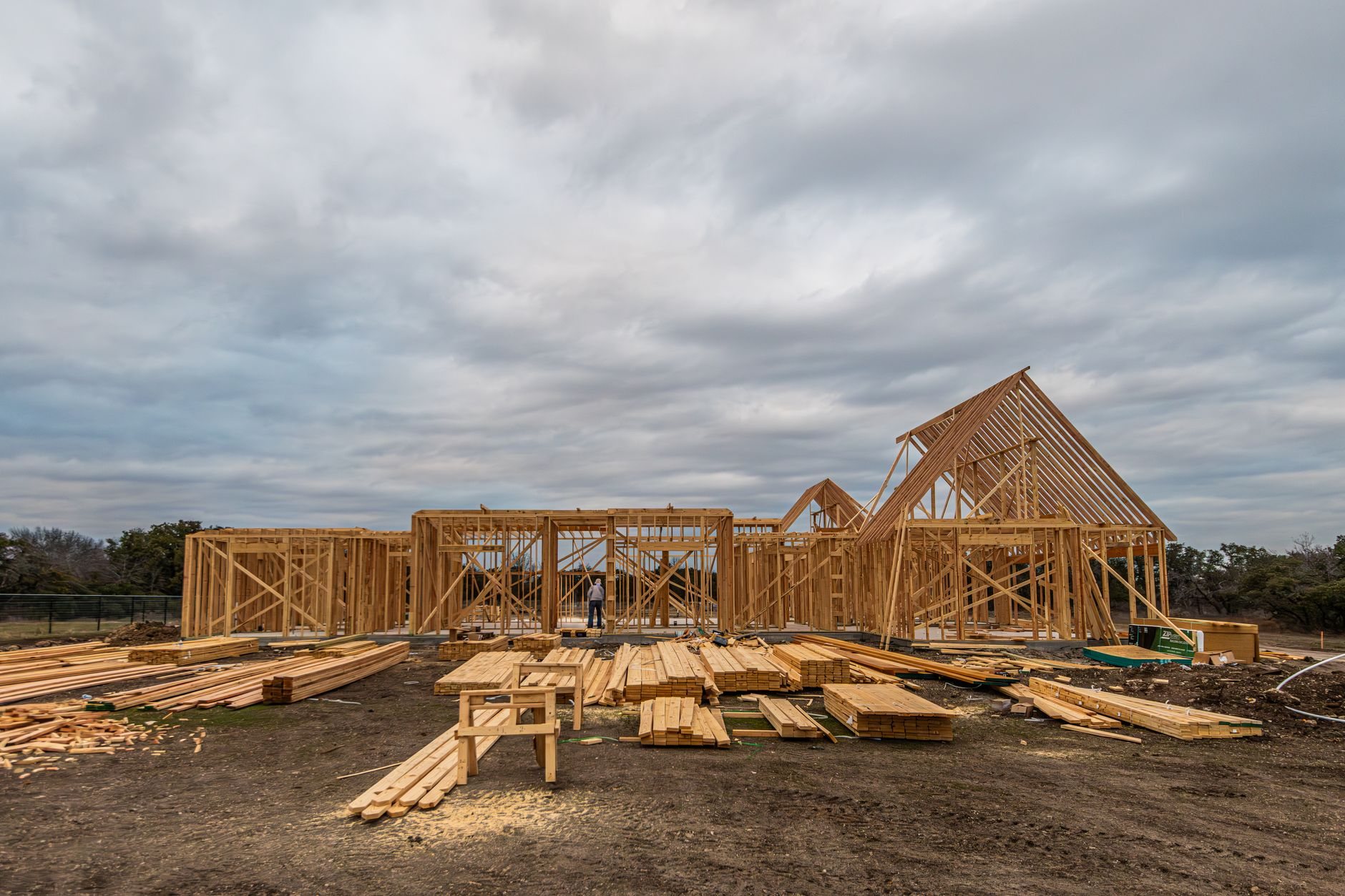
The construction techniques are standard wood-framed multifamily. What changes is everything around them. A LIHTC project carries a placed-in-service deadline tied to the credit award — miss it and the deal’s economics unravel — so the schedule isn’t a target, it’s a covenant. We build permit timelines, weather float, and inspection cadence into a schedule the syndicator can underwrite.
Documentation runs deeper too. Draw requests go through the lender and the equity investor, often with a third-party construction monitor reviewing progress monthly. Change orders that would be a handshake on a market-rate job need written approval up the funding stack. At completion, the whole job is audited: an independent CPA prepares a cost certification that itemizes every hard cost into eligible basis, which means our cost coding, lien waivers, and subcontract files have to reconcile to the penny from day one. Good work should not require detective work — on a tax-credit job, that’s literally the standard.
Two more layers to plan for. Some funding stacks — HOME funds, project-based vouchers, certain bond structures — bring federal prevailing-wage requirements, which change subcontractor pricing and certified-payroll workload; we price and staff for that from the start rather than discovering it at the first draw. And most QAPs cap the contractor’s fee and overhead as a percentage of hard costs, so the budget is built transparently against those limits instead of negotiated around them.
Compliance that gets built into the building
A tax-credit building has to perform through a 15-year federal compliance period, with extended-use commitments running well beyond that — so the spec is written for decades of occupancy, not the appraisal photo. Three things show up in the drawings that market-rate projects often skip:
- Accessibility beyond code minimum. LIHTC awards typically require accessible and adaptable units past baseline Fair Housing design — mobility and sensory units per the scoring commitments in the application. Federal accessibility standards (see ada.gov) get verified at final, so blocking, clearances, and roll-in details are framed correctly the first time, not retrofitted.
- Energy performance the QAP scored. Utah applications commonly commit to efficiency certifications such as ENERGY STAR, which means envelope details, mechanical selections, and blower-door results are contract obligations. We sequence third-party rater inspections — insulation, air sealing, duct testing — into the schedule like any other inspection.
- Durability for the hold period. Utah’s high-elevation UV punishes exterior finishes, and the Wasatch Front’s 100-plus annual freeze-thaw days demand air-entrained flatwork mixes — real concerns when the owner can’t reposition the asset for fifteen years. Radon-ready sub-slab rough-ins go in from the start given Utah’s high-radon geology; on an affordable project, cheap now beats expensive later even more than usual.
What drives cost on Utah LIHTC projects
As ballpark planning numbers only: hard costs for wood-framed affordable projects along the Wasatch Front generally track market-rate multifamily construction — commonly in the rough $140–$220 per square foot band — then move with the compliance layer. Prevailing wage, where the funding stack triggers it, is the single biggest swing. Enhanced accessibility scopes, committed energy certifications, and third-party testing add real line items. Impact fees per unit vary sharply by city — a meaningful number against restricted rents in fast-growth Lehi, Saratoga Springs, or Eagle Mountain versus established Provo or Salt Lake City departments — and eligible-basis limits in the QAP put a ceiling on what the deal can absorb, so value engineering happens against the application’s commitments, not just the budget.
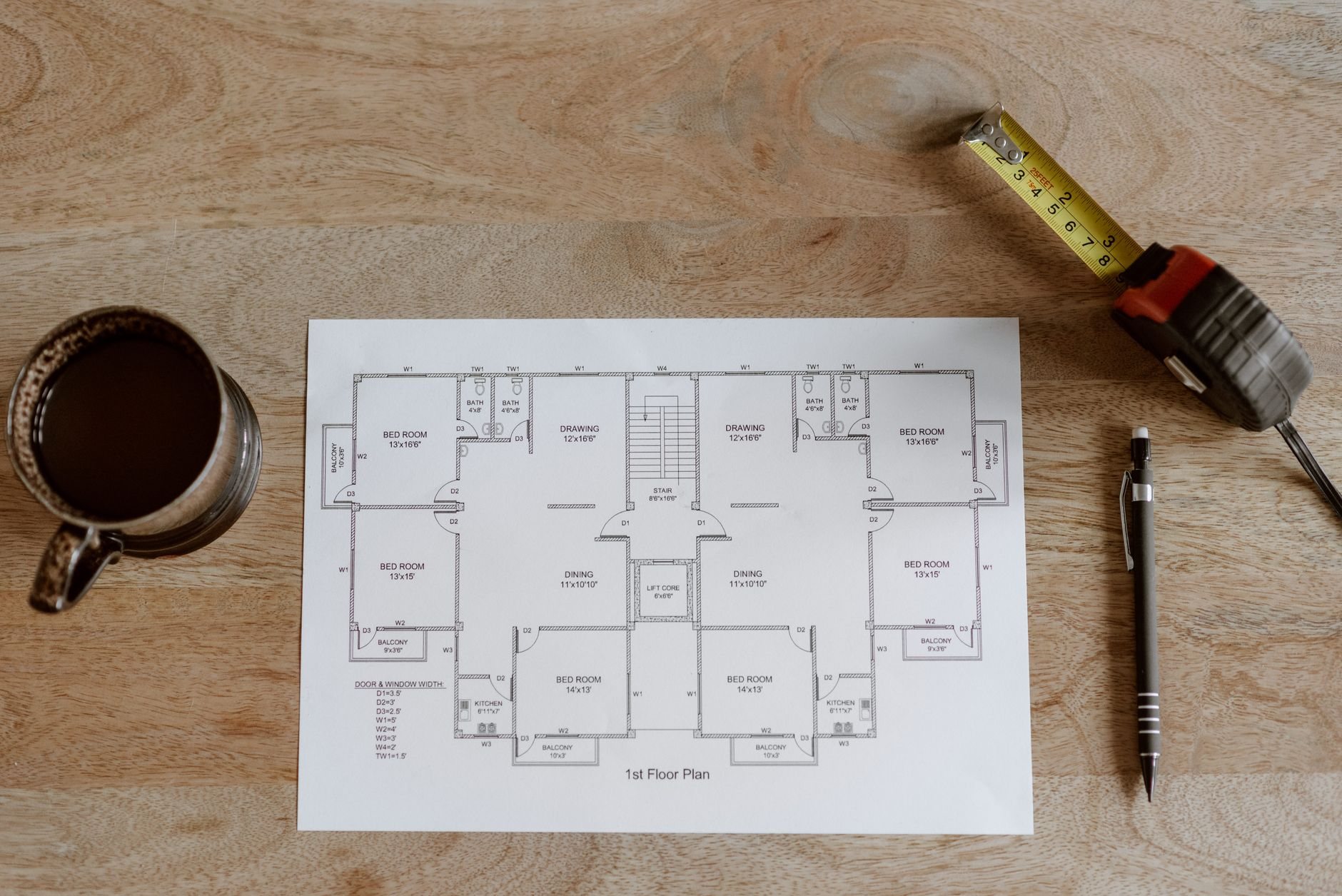
The honest sequence: consultation, budget range against your application, estimate once plans and the soils report exist, then a fixed-price contract your lender and syndicator can close on. If the numbers don’t fit the basis limits, you’ll hear that from us during preconstruction — not at the first draw.
Questions we actually get
Does the contractor need LIHTC experience, or is it just multifamily?
The framing is just multifamily; the administration is not. Cost certification, investor draw reviews, placed-in-service deadlines, and certified payroll (where prevailing wage applies) all demand documentation discipline most market-rate jobs never test. A contractor who learns those requirements mid-project learns them at your deal’s expense.
What happens if construction runs past the placed-in-service deadline?
The credits are at risk — that’s why the deadline governs everything. We build schedules with real permit timelines for your specific city, weather float, and inspection cadence, then track against them monthly with your construction monitor, so slippage gets flagged while there’s still time to recover it.
Do prevailing-wage rules always apply to LIHTC projects?
No. LIHTC alone doesn’t trigger federal prevailing wage, but layered funding sources — HOME funds, certain bond structures, project-based assistance — often do. It changes subcontract pricing and adds certified-payroll administration, so we confirm the funding stack before pricing anything. Verify your specific triggers with your funding agencies.
What does cost certification mean for how you run the job?
An independent CPA audits final construction costs into eligible basis, so every invoice, change order, and lien waiver has to be coded and reconciled continuously — not assembled after the fact. We keep the books certification-ready throughout construction, which also makes lender and investor draws faster and cleaner.
Tell us where your application stands
Awarded, applying, or still penciling — we reply within a couple of hours during business hours, a day at most, with a straight read on schedule, basis, and buildability. Start at new construction for the full range of ground-up work, or bring us the deal directly.