
Accent & feature wall painting in Utah County
Accent wall painting puts a deliberate color on one wall, one alcove, or one whole color-drenched room, and depends on crisp lines and full-depth coverage to look intentional rather than unfinished. Grandview Contractors paints accent and feature walls across Utah County and Salt Lake County under a Utah DOPL B100 general contractor license.
When one wall is the right call, and when it isn’t
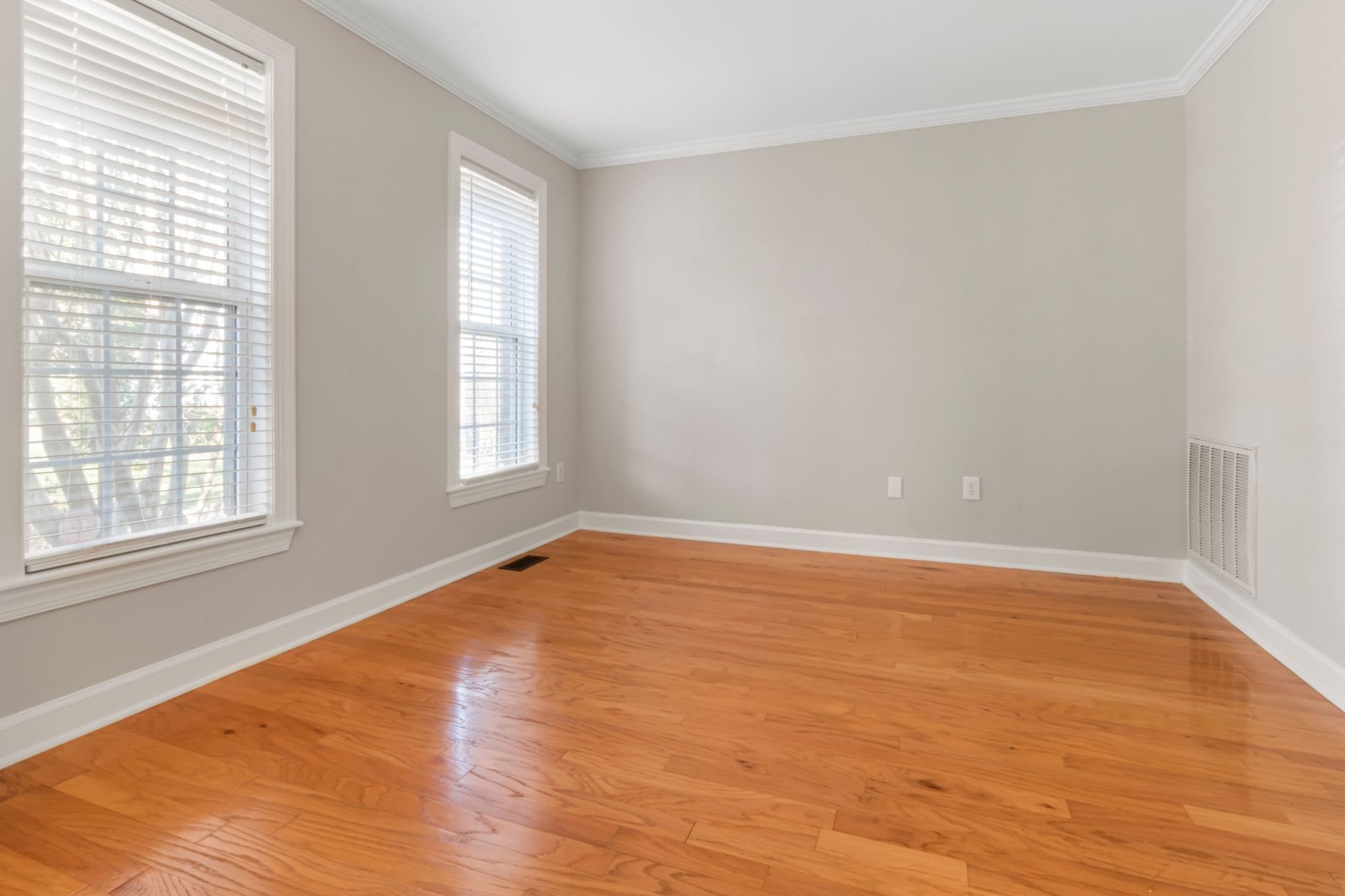
A feature wall earns its place when the room already has a focal point that wants emphasis: the wall behind a bed, the fireplace wall, the back of a built-in. Painted on a random wall with a door in it, the same color just looks like you ran out of paint.
If the goal is a calmer room overall rather than one bold statement, you’re shopping for single-room painting in one color. If texture is the point — limewash, Roman clay — that lives under faux and decorative finishes, a different product and application. If the color should wrap the whole room, ceiling and trim included, that’s a color drench: still accent work, but it pulls in ceiling painting and trim and door enamel, so we scope it that way.
The scopes we take on most: a single deep-color wall, a two-tone wall with a horizontal break at chair-rail height, taped geometric patterns, painted board-and-batten or picture-frame molding walls, and color-drenched rooms. We also do the reverse — returning a dark accent wall to the room’s color before a sale.
Why a feature wall is more than a can of paint
It’s the one wall everyone looks at, in a color that hides nothing. That changes the work in four ways.
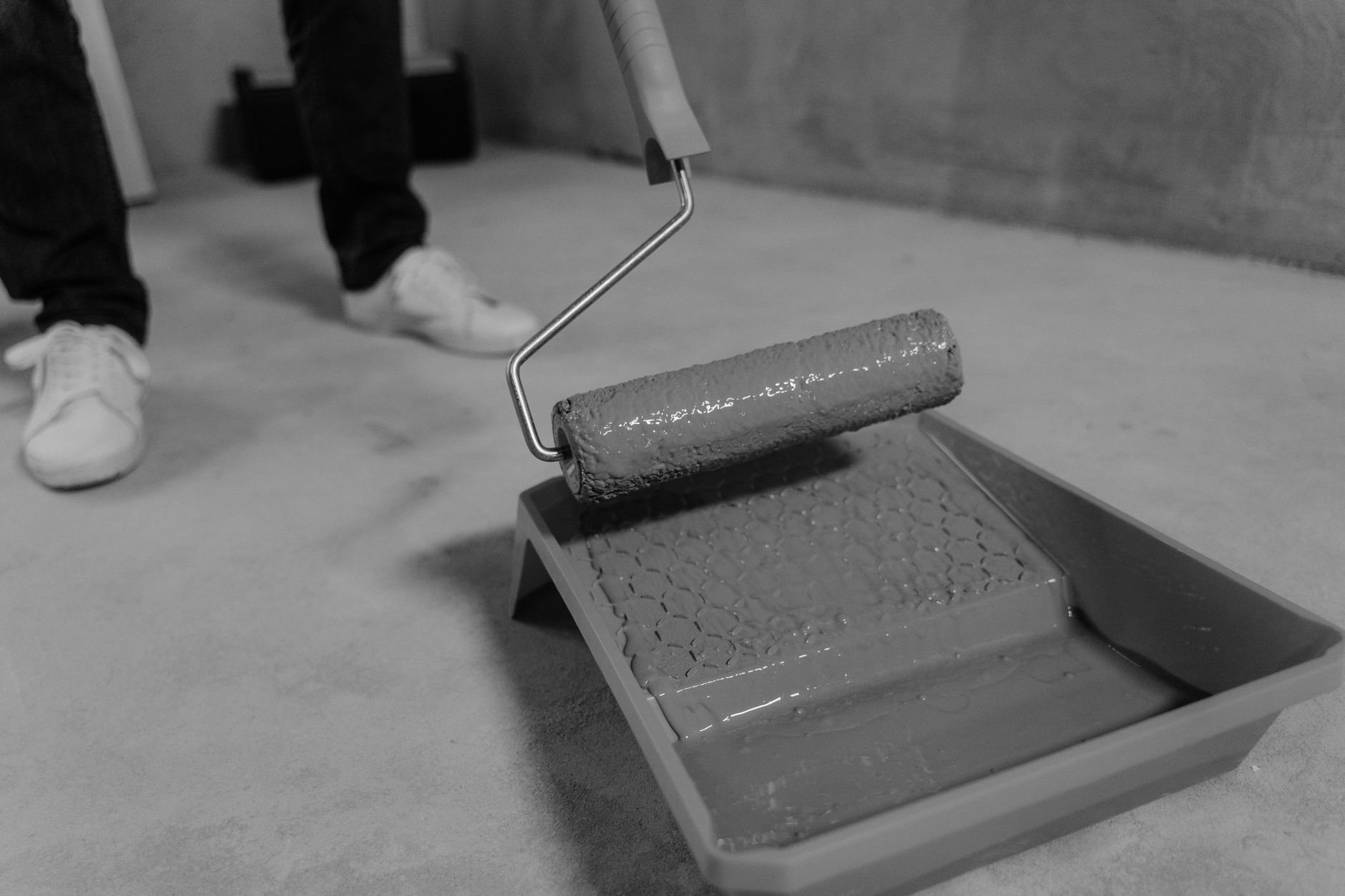
- Prep to a higher standard than the other three walls. A navy or charcoal wall shows every patched nail pop and tape ridge. We skim and sand as needed, then prime with a gray-tinted primer so finish coats build to true depth instead of streaking over white.
- Plan the coats honestly. Deep and saturated colors are mixed in bases with less titanium dioxide, so they hide less per coat. Two finish coats is the standard; dark reds, deep greens, and blacks often need three. We say so in the estimate rather than stopping at two and hoping.
- Cut the line that makes or breaks it. Two-tone and geometric lines are set by laser level. Tape edges get sealed with the base color before the accent goes on, so any bleed is the existing color and the edge stays knife-sharp. Inside corners get a hand-cut, not a taped seam, because corners in Utah’s newer homes are rarely plumb.
- Keep the wet edge. The Wasatch Front’s dry air pulls water out of paint fast, and on a large deep-color wall that shows up as lap marks. We work in continuous top-to-bottom passes, add an extender when the room is warm and dry, and never stop mid-wall.
Sheen matters more here than anywhere else in the house: matte hides surface variation and keeps a dark color from going shiny in afternoon sun; eggshell wears better in a hallway. On painted millwork walls, battens or molding get a durable enamel in the same color, sequenced through our trim and millwork work so paint lands after the caulk has cured.
What does an accent wall cost in Utah?
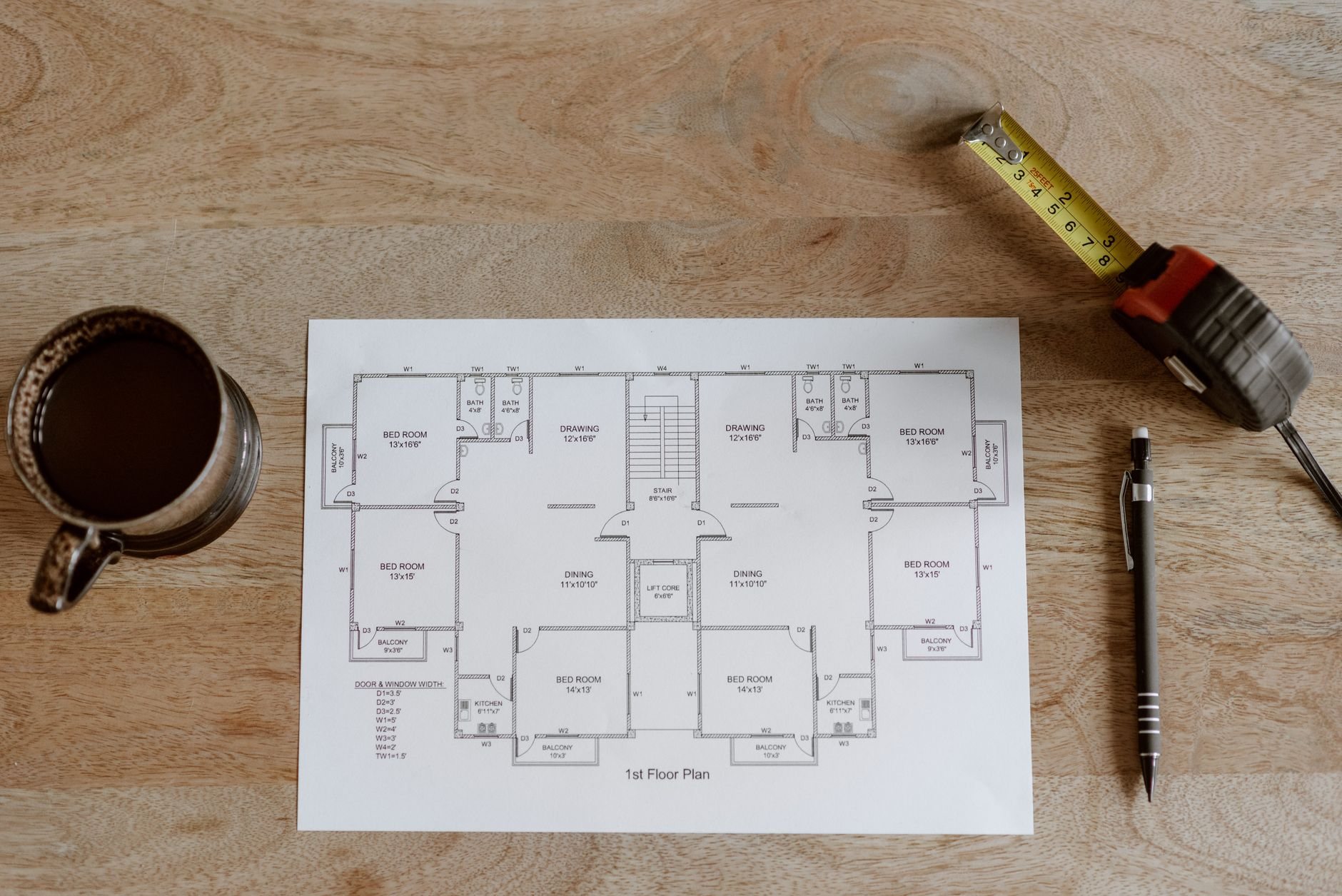
A single accent wall in a standard-height room, in a mid-depth color over sound drywall, usually lands in the low-to-mid hundreds of dollars along the Wasatch Front. A color-drenched room costs more than a conventional repaint of the same room, because trim and doors become enamel work and the ceiling gets finish coats. Treat both as ballpark planning numbers; a written estimate follows a walk-through.
What moves the number up: a third coat for a very dark color, taped geometric patterns (layout time, not paint), stairwell walls, repair that only shows once a dark color goes on, and painted millwork, where carpentry is priced separately. What keeps it down: one wall, one color, standard sheen, furniture already moved.
One note on Utah sun: high-elevation UV is intense, and a saturated accent wall across from a big south- or west-facing window fades faster than the same color in a hallway. Not a reason to skip the color — a reason to keep the labeled touch-up quart we leave behind.
Questions we actually get
Can you paint just one wall without the other three looking off?
Yes, if the other three are in reasonable shape. We cut the accent color into the existing color at the corners, so adjacent walls don’t need repainting. If the existing paint is chalky, patched in a different sheen, or sun-faded from its original color, we’ll say so — the honest fix is then a fresh coat on the rest too.
Why does my dark accent wall look streaky after two coats?
Almost always a white primer, or no primer, under a deep color. Dark bases have little hiding pigment, so over white they take three or four coats to stop showing roller paths. A gray-tinted primer matched to the color’s depth gets most deep colors to full coverage in two finish coats. If it’s already streaky, one more full coat usually fixes it.
Can you do the horizontal two-tone line, and will it be straight?
We set it with a laser level, not a tape measure from the floor, because floors and ceilings are rarely level enough to measure from. The line is taped, the tape edge is sealed with the lower color, and the upper color goes on last. On a 12-foot wall you should not be able to find a wobble.
Is a dark bedroom accent wall a problem for sleeping in the room that night?
Not with the products we use. Low- and zero-VOC lines are our default for occupied bedrooms, the room is ventilated while we work, and the wall is dry to the touch within hours. The EPA’s guidance on VOCs in indoor air is why we don’t treat that as optional.
Accent and feature walls are one scope within our interior painting service, part of the renovation and build-out family. When a feature wall needs more than paint — a settlement crack that keeps reopening — drywall repair is the step before color. Our license is verifiable at dopl.utah.gov.
Tell us what you’re working on
We reply within a couple of hours during business hours — a day at most. You’ll get a straight read on scope, sequence, and budget before anyone commits to anything.