
Skim Coating & Re-Texturing in Utah County
Skim coating is a thin layer of joint compound troweled over existing walls and ceilings to erase old texture, wallpaper scars, and years of patches — then finished smooth or re-textured. Grandview Contractors skim coats and re-textures occupied homes, rentals, and commercial suites across Utah County and Salt Lake County under a Utah DOPL B100 general contractor license.
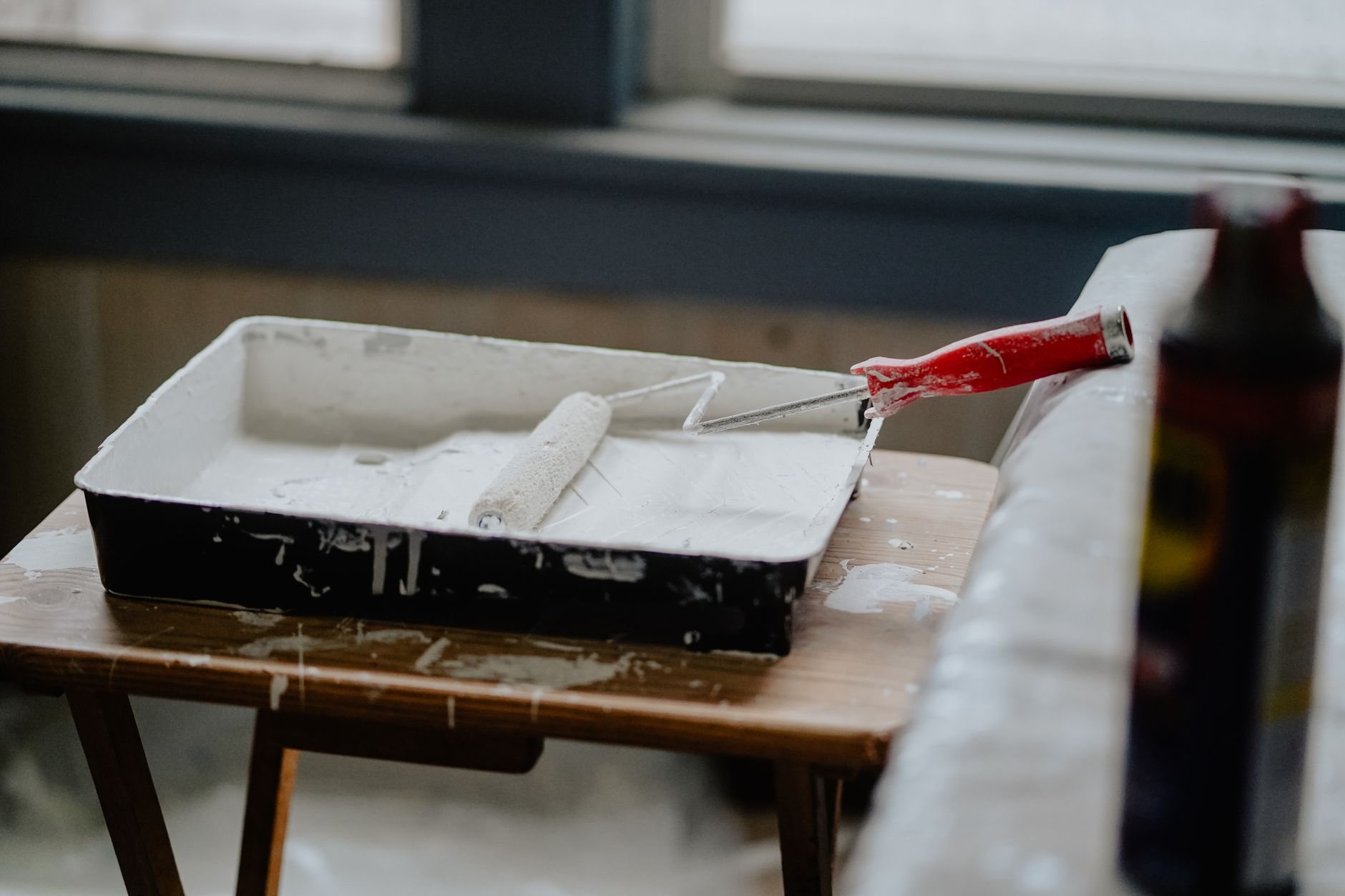
When skim coating beats patching, re-boarding, or living with it
Skim coating is for walls that are structurally fine but visually tired: heavy 1990s knockdown that dates the whole house, splatter texture patched so many times the patches have patches, or the gouged face of drywall after wallpaper came down and took paper with it. Instead of tearing out good board, we bury the surface under two or three thin coats of compound and start over.
It isn’t the right call for everything. A few holes or a cracked corner is drywall repair, cheaper and faster. New board finished smooth for the first time is a Level 5 finish — the same trowel work over fresh tape instead of decades of paint. And if you like your texture and only want a repair to vanish into it, texture matching handles that without touching the rest of the room.
What a skim coat over old walls actually involves
- Surface diagnosis. Glossy paint gets scuff-sanded so compound can bite. Wallpaper paste residue is washed off — compound over paste bubbles later. In homes built before the early 1980s, any texture we’ll scrape or sand gets tested first, because older textures can contain asbestos (see the EPA’s asbestos guidance).
- Knock down the high points. Heavy knockdown and splatter get scraped flat enough that the first coat can stay thin. Thick coats shrink, crack, and take days to dry.
- Seal and tape. Torn paper faces get a penetrating sealer so compound dries evenly. Settlement cracks are cut back and mesh-taped, not just filled — Utah’s expansive clay soils keep walls moving a little every season, and compound alone reopens along the old line.
- Two to three thin coats. Compound goes on with a roller or wide trowel and gets pulled tight with a 12- to 24-inch skimming blade, each pass at an opposing angle to the last. Utah’s dry air speeds drying but flashes thin edges, so we work in sections and keep a wet edge.
- Sand, check, prime. A final pole sand, then a hard look under a work lamp held low to the wall — the same raking light your windows throw at 5 p.m. Then drywall primer, because bare compound drinks paint unevenly and shows every trowel stroke under sheen.
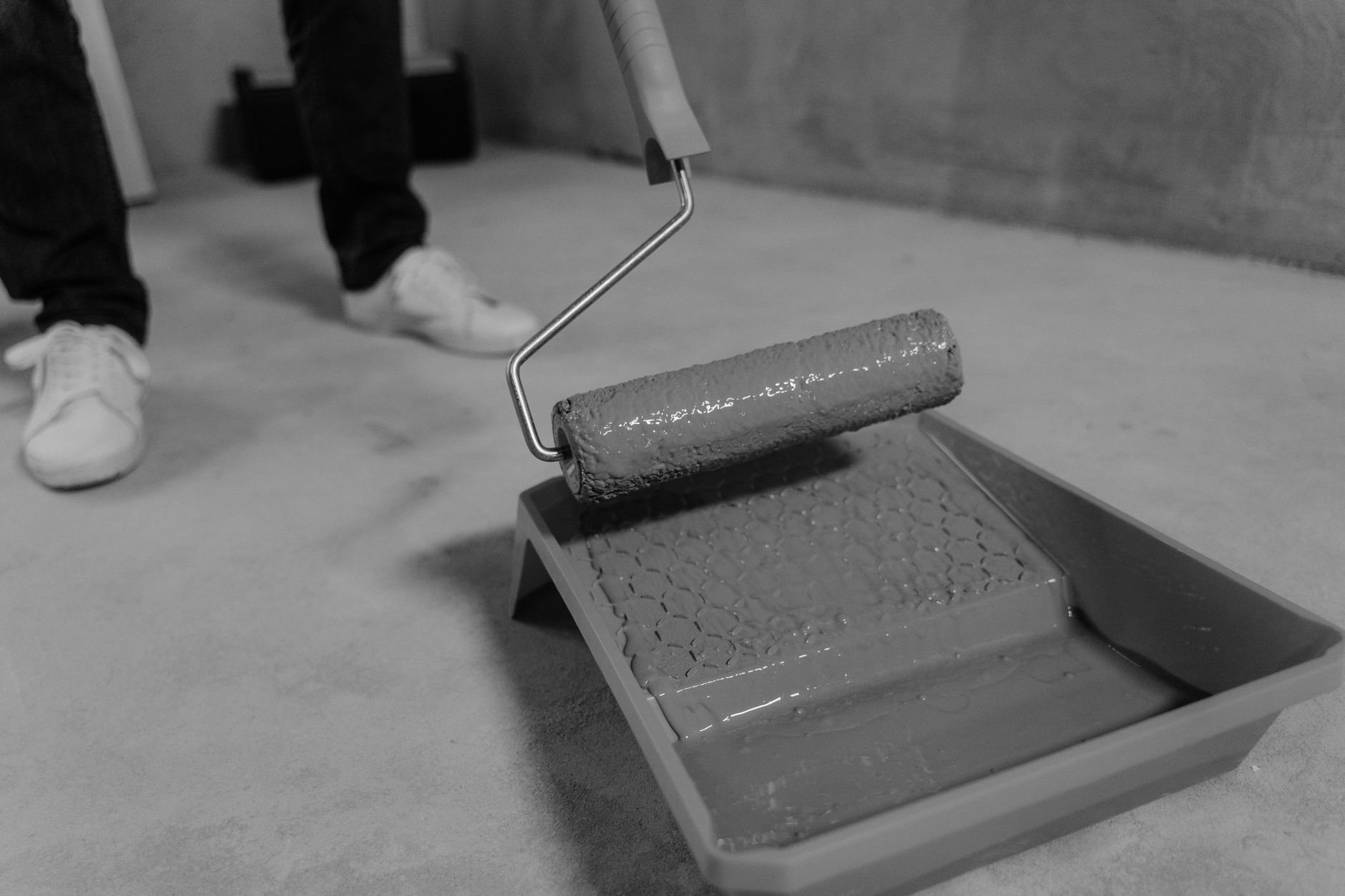
Skim coating lands right before paint, so most of these jobs hand off to interior painting. When wallpaper is the reason you’re calling, wallpaper removal and skim coat are scoped as one job.
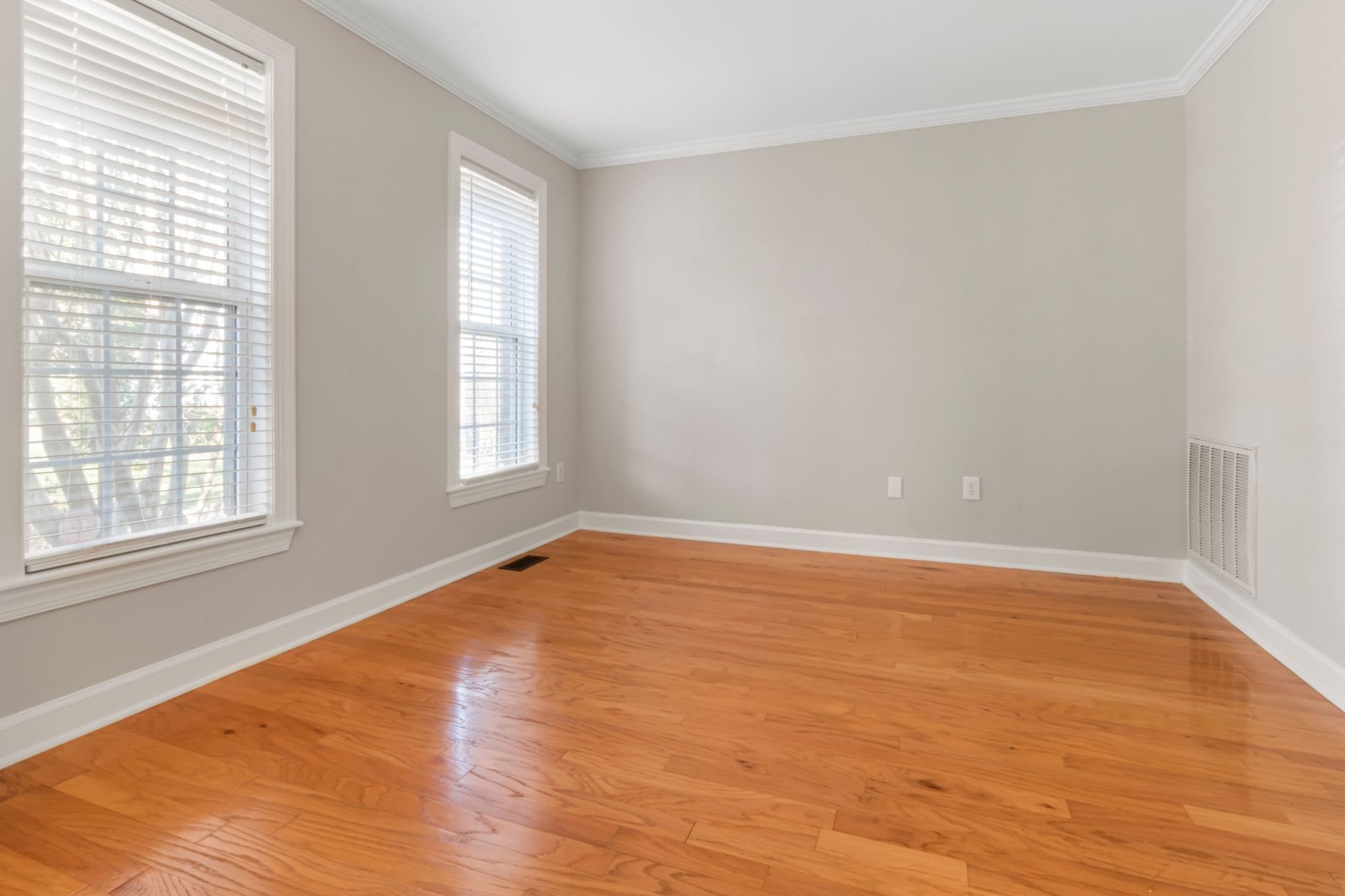
Smooth walls or a new texture?
Smooth is the current default in Utah County remodels. It costs more because every square inch has to be genuinely flat — there’s no texture to hide a trowel mark — and low winter sun across a west-facing wall will find any that aren’t.
Re-texturing is the budget-aware option. A light orange peel or fine knockdown sprayed over a one- or two-coat skim hides minor imperfections and blends with rooms that aren’t being redone, which is why property managers usually choose it on a unit turn. The skim still matters: new texture over old, unlevelled texture just makes a lumpy wall lumpier.
Ceilings follow the same logic. Scraping acoustic texture is its own scope — see popcorn ceiling removal — but the skim and re-texture that follows is this work, overhead. We are fond of straight lines and straight answers; a ceiling under raking light gives up neither for free.
What does skim coating cost in Utah?
As a ballpark planning number — not a quote — skim coating textured or wallpaper-damaged walls to a smooth finish in Utah typically runs $1.50 to $3.50 per square foot of wall surface, primer included and paint separate. Skim plus new spray texture usually lands in the lower half of that range. A 12-by-14 bedroom with 8-foot ceilings is roughly 400 square feet of wall, which puts it in the high-hundreds-to-low-four-figures before paint.
What moves the number: how heavy the existing texture is, how much paper tore during wallpaper removal, stairwells and tall ceilings that need staging, and whether the home is furnished — dust containment and floor protection add real labor. We walk the space before pricing, and you can verify our license first at dopl.utah.gov.
Questions we actually get about skim coating
Can you skim coat over painted walls without stripping them?
Yes, as long as the paint is sound. Flat and eggshell get a scuff sand and go straight to compound. Semi-gloss and gloss need heavier sanding or a bonding primer first, or the skim can peel in sheets later. Peeling or chalking paint has to come off — compound over a failing layer fails with it.
How long does a skim coat take to dry between coats in Utah?
Thin coats usually dry overnight in Utah’s low humidity, faster in summer. Thick coats over heavy texture can take two days and still crack, which is why we scrape first and keep each pass thin. A bedroom is typically a three- to four-day cycle including sanding and primer; furnished rooms stretch that.
Will a skim coat hide cracks in my walls for good?
Cosmetic cracks, yes. Moving cracks, no — a line that reopens every winter is usually framing or foundation movement, common on expansive-clay lots along the Wasatch Front. We cut those back, tape them, and skim over the tape. If a crack is wide, stepped, or runs diagonally from a door corner, we’ll say so before skimming anything.
Is skim coating the same as a Level 5 finish?
Same technique, different starting point. Level 5 is the skim applied to new drywall right after taping. Skim coating goes over existing walls already carrying paint, texture, or wallpaper damage — more prep, more unknowns. Same smooth wall; longer path.
Skim coating is one scope inside our drywall services, part of renovation and build-outs. In a bigger remodel, we sequence the skim after the trades inside the wall finish and before the painter arrives.
Tell us what you’re working on
We reply within a couple of hours during business hours — a day at most. You’ll get a straight read on scope, sequence, and budget before anyone commits to anything.