
Construction expert witness & litigation support
A construction expert witness gives opinions — in reports, depositions, and testimony — that a court, arbitrator, or mediator can rely on in a construction dispute. Grandview provides that support to Utah attorneys and their clients as a working, licensed B100 general contractor whose opinions come from building, not just reviewing.
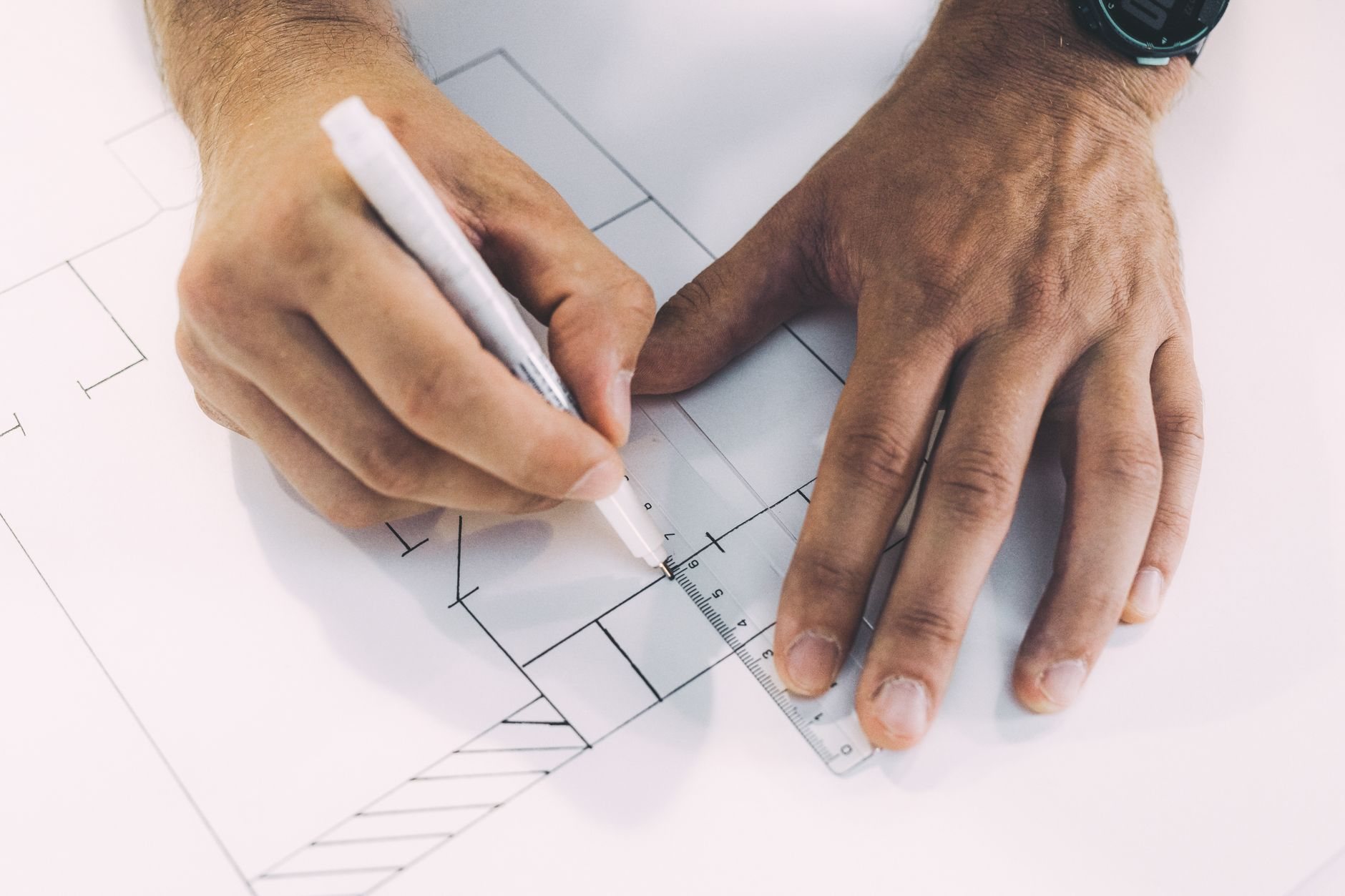
When you need a testifying expert — and when you don’t
Not every construction problem needs an expert witness. If you’re an owner trying to understand what failed and what the repair costs — and nobody has filed anything — that’s defect and forensic consulting: the same investigation, plainer report, lower cost. If your question is whether a project can be permitted or built as drawn, that’s permitting and code consulting, and it’s better asked before the dispute exists.
You need litigation support when the disagreement has hardened into a claim: a defect case where cause and repair cost are contested, a contract dispute over whether work met the drawings and the standard of care, a payment fight over the value of completed work, or a delay claim where someone has to reconstruct what the schedule should have been. In each of those, the opinion only matters if the person giving it can be qualified, deposed, and cross-examined without it falling apart.
Attorneys usually retain us in one of two roles. As a consulting expert, we work behind the scenes — evaluating the other side’s expert report, helping counsel understand the construction facts, flagging weak theories before they’re filed. As a testifying expert, we’re disclosed, we write the formal report, and we sit for the deposition. The roles carry different confidentiality rules, so the retention agreement fixes which one you’re hiring.
What the engagement looks like
- Conflict check and retention. Before we hear case details, we confirm we have no relationship with the parties, the property, or the contractors involved. Then scope, role, and fee go in a written retention agreement with counsel.
- Evidence review. Contracts, plans, permits, pay applications, change orders, RFIs, photos, and inspection records — read against each other. Most construction disputes are decided by whether the paper matches the building.
- Site inspection. Where access is possible, we inspect and document before repairs alter the evidence. Destructive testing, when needed, gets coordinated with all parties’ counsel.
- Opinions and report. Written opinions on cause, standard of care, code compliance, and cost of repair — each one tied to a document, a measurement, or a photograph. We tell counsel early if the evidence doesn’t support the theory; that conversation is cheaper before disclosure than after.
- Deposition and testimony. We defend the opinions in deposition, mediation, arbitration, or trial, on counsel’s schedule and within the disclosure deadlines the case sets.
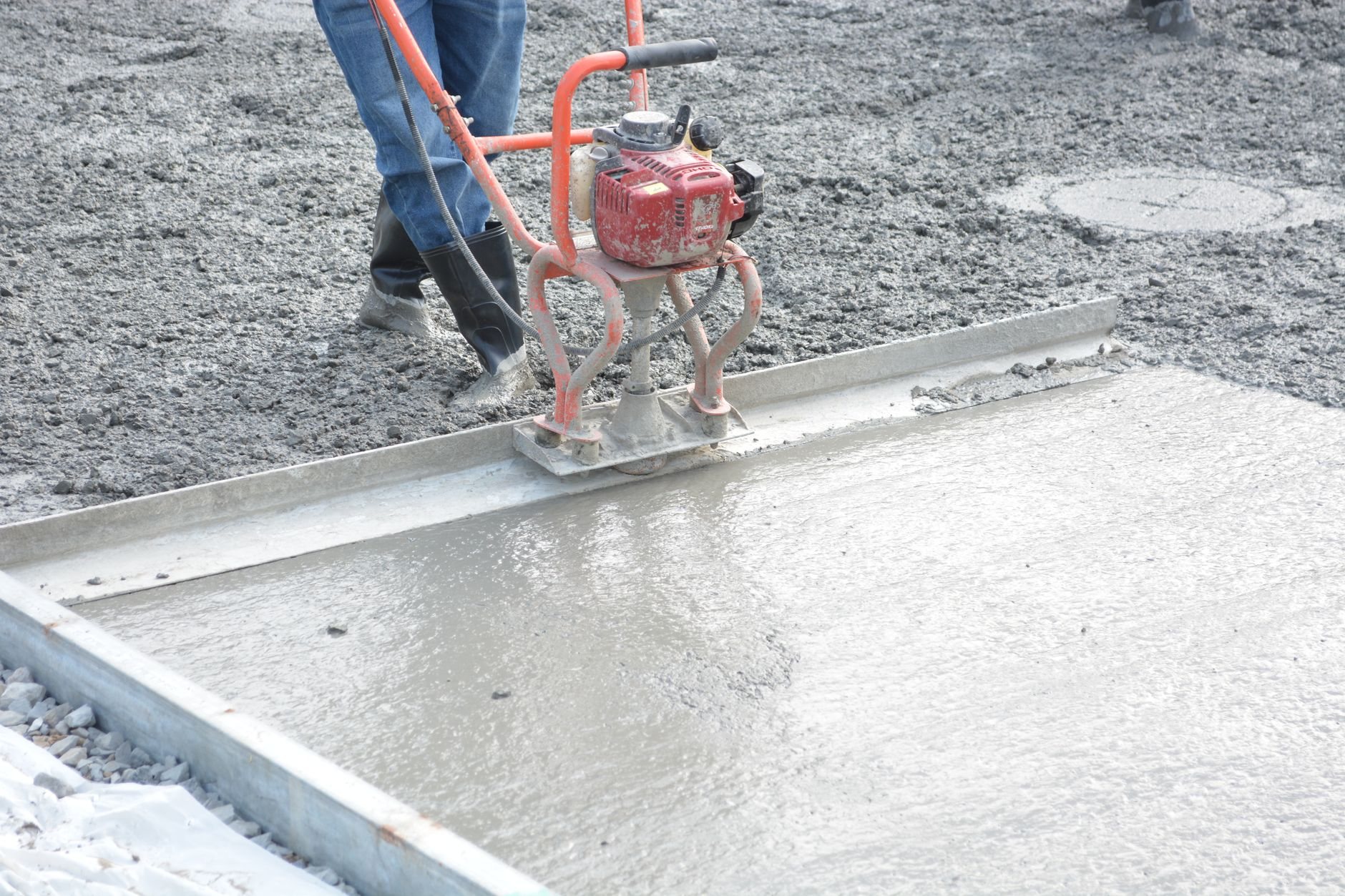
Why a builder’s opinion holds up in Utah cases
Utah construction disputes turn on Utah conditions, and cross-examination finds out fast whether the expert knows them. Whether flatwork failed because of workmanship or because a non-air-entrained mix was placed into a Wasatch Front climate with a hundred-plus freeze–thaw days a year changes who’s responsible. Whether a cracked foundation reflects bad concrete or expansive clay and collapsible soils the design never accounted for changes it again. Seismic anchorage and welded-connection requirements shape what “code-compliant” even means here. An expert who has placed footings and passed inspections in these jurisdictions reads that evidence differently than one working from a checklist.
Credentials matter to qualification, so we keep ours simple and checkable: Grandview holds Utah DOPL B100 general contractor license #14282236-5501, verifiable at dopl.utah.gov, and we spend most of our weeks managing and performing construction across Utah County and Salt Lake County. Where a question is genuinely structural engineering, geotechnical analysis, or law, we say so and recommend counsel retain that discipline alongside — an expert who overreaches his field is a gift to the other side.
What does a construction expert witness cost in Utah?
Expert work is billed hourly, typically at a premium over ordinary consulting — in Utah, construction experts commonly run in the $150–$300 per hour range, with deposition and testimony time often at the top of it. Treat those strictly as ballpark planning numbers; the retention agreement states the actual rates. The real cost drivers are document volume, whether site inspection or destructive testing is needed, how contested the opinions are, and how much deposition and trial time the case demands. A focused report on one defect issue is a very different engagement than a multi-party case with competing experts.
Questions we actually get
Do you work for plaintiffs or defendants?
Either. The opinion comes from the evidence, not from who signs the retention agreement — and an expert with a visible sides-only pattern is easy to impeach. Both engagements start the same way, with a conflict check.
What’s the difference between a consulting expert and a testifying expert?
A consulting expert advises counsel privately and is generally not disclosed to the other side; a testifying expert is disclosed, writes a formal report, and can be deposed. The confidentiality treatment differs, so the role is fixed in the retention agreement up front. Some engagements convert from consulting to testifying as the case develops.
How is expert work billed, and is there a retainer?
Hourly, against a retainer, with rates stated in the retention agreement before work starts. Document review, inspection, report writing, and testimony time are tracked separately so counsel can manage the budget. Expert fees are never contingent on the outcome — a contingent expert opinion is worthless in court.
The property needs repairs now. Should we wait for the case?
Don’t let a building keep failing, but document before anyone repairs over the evidence — ideally with an inspection all parties’ counsel know about. Emergency stabilization is usually defensible; full repairs before the other side’s expert has seen the condition can complicate the claim. Ask counsel, then call us quickly.
Where this sits in the consulting practice
Expert witness work is one arm of our construction consulting and advisory practice, inside the broader planning and project management family. Cases about disputed pricing sometimes need the takeoff discipline of our estimating service to establish cost of repair or value of work in place — the same numbers, built to survive a deposition.
Tell us about the case
We reply within a couple of hours during business hours — a day at most. You’ll get a straight read on whether we’re the right expert for the question, and what the engagement would involve, before anyone commits to anything.