
Construction defect & forensic consulting
A construction defect investigation determines what failed in a building, why it failed, and what a correct repair involves — documented well enough to act on. Grandview performs this forensic work under a Utah DOPL B100 general contractor license for owners, property managers, HOAs, and insurers along the Wasatch Front.
When a defect investigation is the right engagement
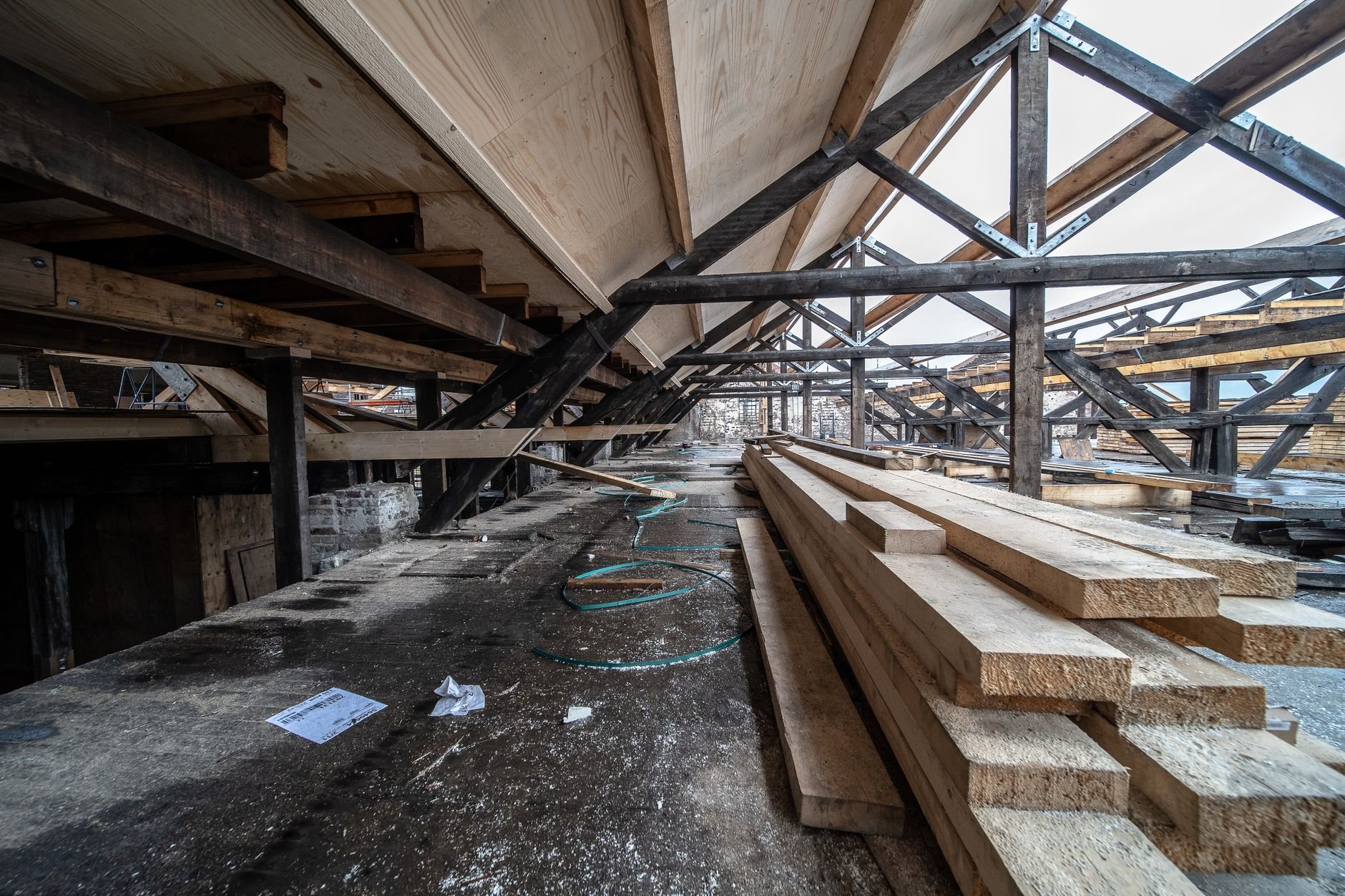
Hire a defect consultant when something has already gone wrong and the cause is disputed, unclear, or expensive to guess at: water coming through a window head three winters after closing, stucco cracking in patterns that don’t look like normal shrinkage, a slab heaving against a garage door, framing that doesn’t match the structural sheets. The question is backward-looking — what happened here — and the answer assigns both a repair scope and, often, responsibility.
It sits between two neighboring services in our construction consulting practice. If nothing has failed yet and your question is how to get a project approved and built to current Utah-adopted code, that’s permitting strategy and code consulting. If the dispute has already reached attorneys and you need formal reports, deposition, or testimony, that’s expert witness and litigation support — and a well-documented defect investigation is usually the raw material it’s built from. Defect consulting is the middle case: you need a defensible technical answer, whether or not anyone ever sues.
How we investigate a suspected defect
- Preserve first. Before anyone opens a wall or dries a carpet, we photograph conditions as found. Evidence that gets repaired over stops being evidence — and if insurance or litigation is possible, the as-found record is often worth more than the repair.
- Compare built to documented. We read the approved plans, permits, inspection cards, and specs against what’s actually in the building. A surprising share of “mystery” failures resolve right here: a missing weep screed, a deleted control joint, flashing installed in the wrong sequence.
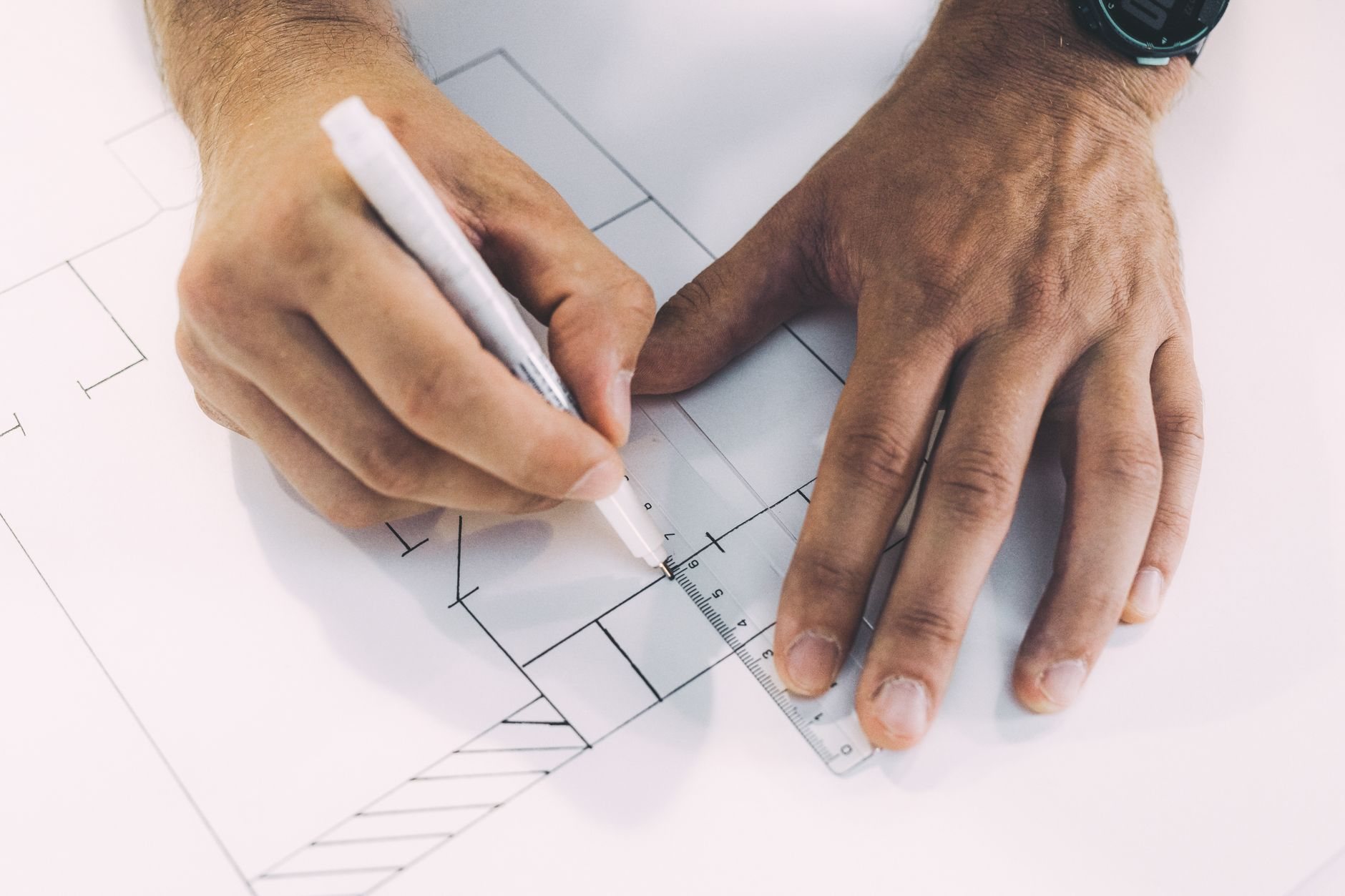
- Test before cutting. Moisture meters, water testing at suspect penetrations, level surveys on slabs and floors, and crack mapping come before destructive openings. When we do open finishes, we cut small, in agreed locations, and document each layer as it’s exposed.
- Separate symptom from cause. Efflorescence on a basement wall is a symptom. Grading that drains toward the foundation is a cause. The report names the mechanism of failure, not just its appearance, because the mechanism is what the repair has to fix.
- Deliver a report and a repair protocol. Findings, photo evidence, the probable cause, and a scoped repair approach with realistic ballpark costs — written for the owner, the insurer, or the attorney who has to make a decision with it.
The defects Utah ground and weather actually produce
Local failure patterns shape where we look first. Utah County and Salt Lake County sit on a mix of expansive clays and collapsible bench soils — documented by the Utah Geological Survey — so cracked footings, heaved flatwork, and rotating retaining walls are frequently soil-and-drainage findings, not concrete-quality findings. The distinction matters: it changes who’s responsible and whether the fix is structural or civil.
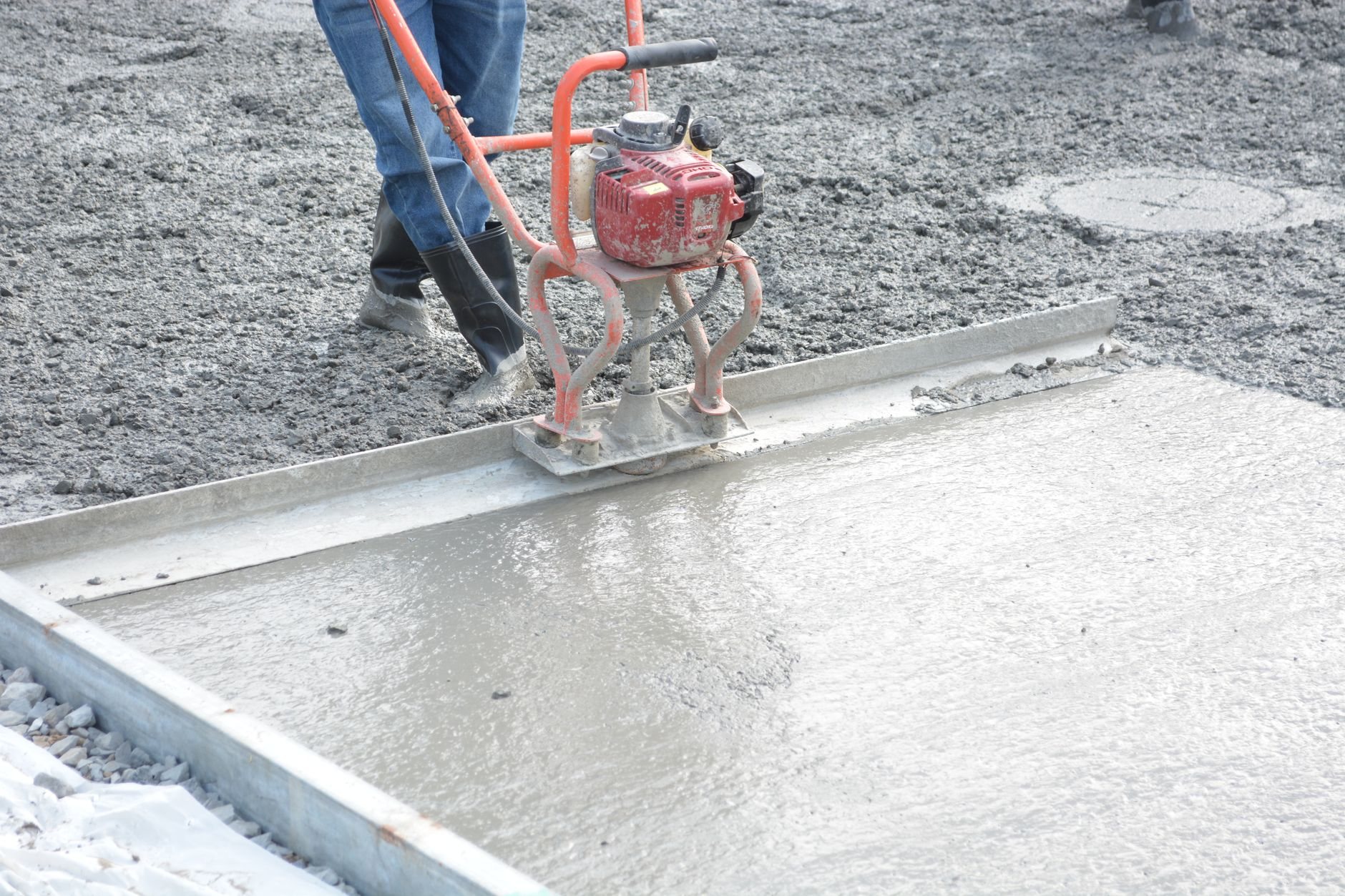
Freeze–thaw is the other recurring culprit. The Wasatch Front cycles through roughly a hundred-plus freeze–thaw days a year, and exterior concrete placed without an air-entrained mix scales and spalls years early. When a driveway fails at age four, the forensic question is whether the mix was specified wrong, batched wrong, or finished wrong — three different answers pointing at three different parties. Summer monsoon cloudbursts do similar work on building envelopes: they find every reversed flashing lap and under-sloped deck that ordinary rain forgives. And because this is seismic country, we check welded and anchored connections against the structural drawings, not just against “looks right.”
What does a defect investigation cost in Utah?
Most single-issue residential investigations — one site visit, document review, and a written report — land in the $1,500–$4,000 range as a ballpark planning number, billed hourly or fixed-fee with the scope agreed in writing first. Multi-unit properties, destructive testing, water testing, and litigation-track documentation push it higher; a quick cause-and-repair opinion without a formal report costs less.
The drivers are the number of distinct failure locations, whether openings and testing are needed to reach a supportable conclusion, how much documentation exists to review, and the standard the findings must meet — a report an attorney will rely on takes more rigor than one guiding your own repair. We’re licensed and insured, and the license behind the opinion (#14282236-5501) is verifiable at dopl.utah.gov.
Questions we actually get
Should I repair the damage before the investigation?
Only what safety requires — stop active water, shore anything unstable. Beyond that, wait. Once finishes are replaced and surfaces dried, the physical evidence of cause is gone, and conclusions get weaker and more contestable. Photograph everything before any emergency work, and keep the removed materials where practical.
Do you do destructive testing?
When non-destructive methods can’t support a conclusion, yes — small, agreed openings at specific locations, documented layer by layer, with patching planned before we cut. If the property is occupied or the dispute is heading to litigation, we coordinate openings so all interested parties can observe before anything is closed up.
Can you also perform the repair you recommend?
Sometimes, and sometimes deliberately not. If the findings may be contested, an investigator with no stake in the repair contract is more credible, and we’ll say so. Where independence isn’t at issue, we can carry the repair protocol into actual construction as a renovation or repair project under our own contract.
What if the defect claim ends up in court?
The investigation is built for that possibility from the first site visit: dated photographs, documented test methods, and findings tied to evidence rather than impressions. If the matter escalates, the file transitions into formal expert witness work, and claim deadlines can apply to defect cases in Utah — so involve your attorney early.
Where this fits
Defect and forensic work is one branch of our construction consulting practice, inside the broader planning and project management family. Builders who need pricing help rather than failure analysis should look at outsourced estimating, and repair scopes we identify are the kind of work we price and build every week.
Tell us what you’re working on
We reply within a couple of hours during business hours — a day at most. You’ll get a straight read on what an investigation of your issue involves, and what it costs, before anyone commits to anything.