
Duplex, triplex & fourplex construction
Grandview Contractors builds two- to four-unit buildings — duplexes, triplexes, and fourplexes — across Utah County and the Salt Lake Valley under Utah DOPL B100 license #14282236-5501, verifiable at dopl.utah.gov. It’s where most first-time multifamily investors and house-hacking owner-occupants start, and the 2-to-4-unit range has rules of its own.
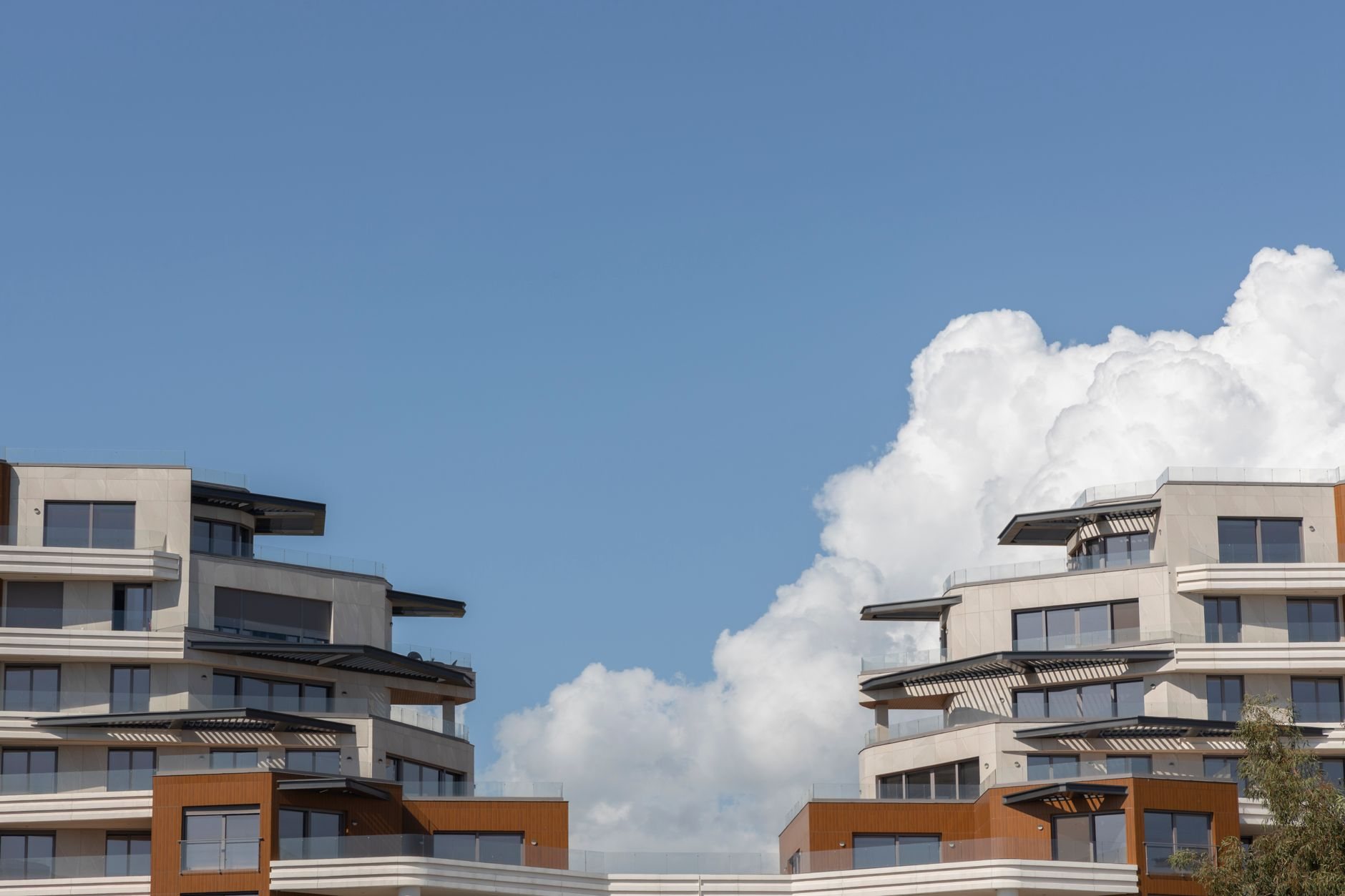
Why 2 to 4 units is its own category
A fourplex is the largest building you can typically finance with a residential mortgage. Lenders treat one- to four-unit properties as residential; at five units the loan becomes commercial, with different down payments and underwriting. That single line is why so many investors build exactly two, three, or four units — and why an owner-occupant can live in one unit of a new fourplex while three rents carry the note. Confirm the loan path with your lender; we’ll build to it.
The 2-to-4 range also behaves differently on the ground: a single residential-scale lot, utility connections closer to a large house than an apartment complex, and — for the duplex — often the gentler residential code path entirely. If your parcel or pro forma points toward more units, a townhome row (units on individually platted lots, built for sale) or a garden-style walk-up (more units, commercial financing, more repetition) is usually the next step up. And if you’re planning to hold several small buildings long-term, our build-to-rent work covers that model at community scale.
The two-unit line: what changes at three
The most consequential decision in this niche is whether you build two units or three. A duplex is generally reviewed under the residential code, like a pair of attached houses. At three units — a triplex or fourplex — the project typically shifts to the commercial code path: fire sprinklers, rated assemblies, accessibility provisions, and a more involved plan review under current Utah-adopted code. Requirements vary by city, so we confirm the exact path with your building department before drawings start.
That threshold cuts both ways. A duplex is cheaper per square foot, but a fourplex spreads land, impact fees, and utility connections across twice the rents — on many parcels it pencils better even with the sprinkler package. That’s arithmetic to run during preconstruction, not an assumption to build on.
Configuration matters too. Side-by-side units simplify sound separation and give every tenant a front door and often a garage. Stacked units fit more building on a tight lot but put a floor-ceiling assembly — structure, sound control, and fire rating in one sandwich — between neighbors. We’ll weigh both against your lot dimensions and parking count.
What building a 2–4 unit property involves
- Confirm the zoning. Many Wasatch Front residential zones cap at single-family or duplex use; triplexes and fourplexes often need multifamily or mixed-density zoning. We verify allowed unit count, parking ratios, and setbacks with the city before anyone pays for drawings.
- Engineer to the soils. A fourplex carries real load on lots often platted for houses. Wasatch Front bench soils can be collapsible or expansive — conditions the Utah Geological Survey documents across the region — so a geotechnical report drives the footing design, and flatwork gets air-entrained mixes rated for our 100-plus freeze-thaw days a year.
- Detail the separations. Party walls and floor-ceiling assemblies do three jobs at once: structure, fire rating, and sound. On a small building with no corridor to absorb noise, the assembly between units is the difference between tenants who renew and tenants who leave.
- Split the utilities deliberately. Separate electric and gas meters per unit, individually valved water where the city allows, and radon-ready sub-slab rough-ins from day one — cheap during the pour, expensive after drywall in Utah’s high-radon geology.
- Build and close per unit. Rough-ins, inspections, and punch lists run unit by unit, ending in documentation your lender and property manager can use.
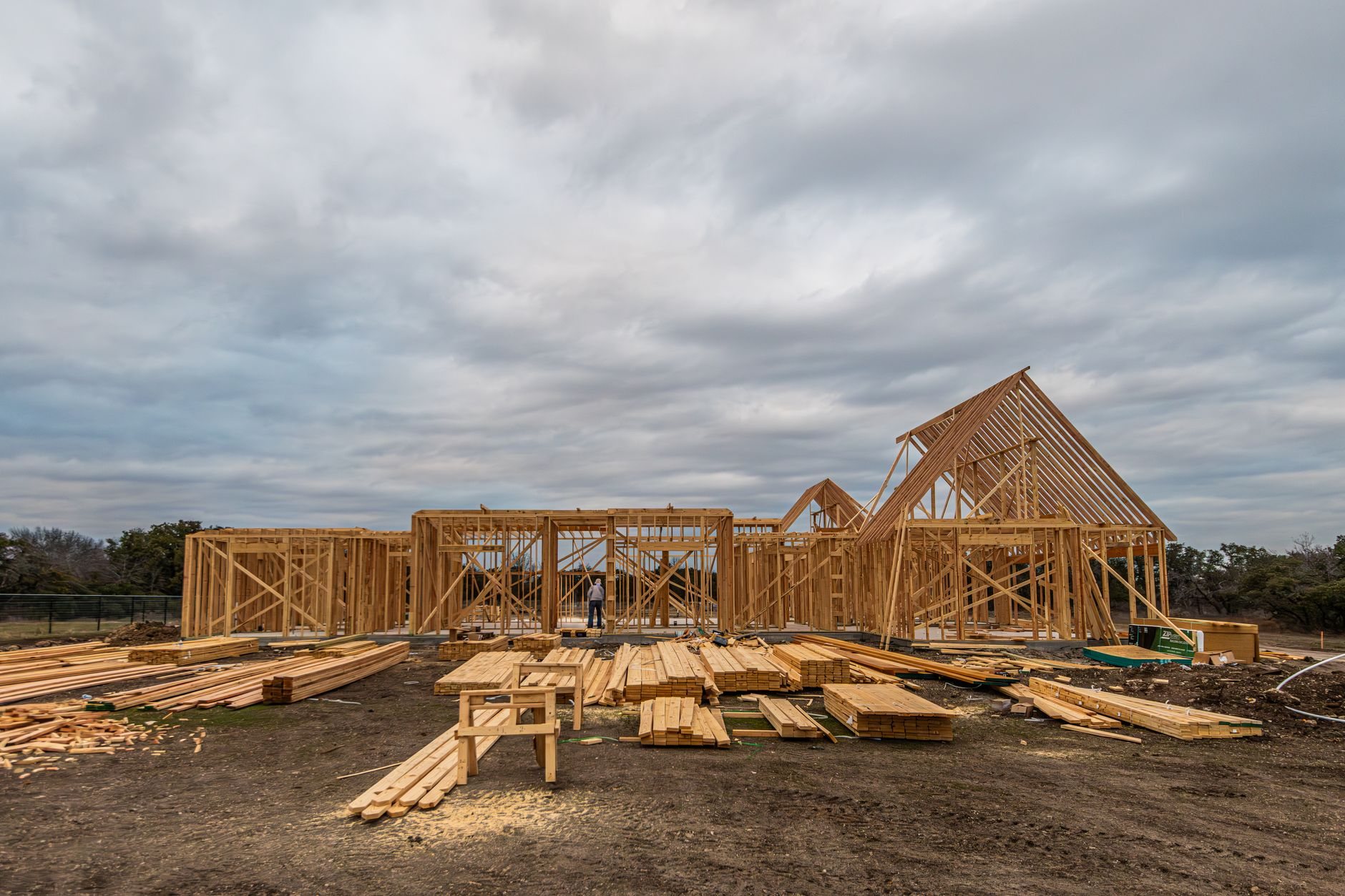
What does a duplex or fourplex cost to build in Utah?
As ballpark planning numbers only: wood-framed 2–4 unit buildings along the Wasatch Front commonly run in the upper half of the $140–$220 per square foot range for hard construction costs, because fixed costs — utility connections, impact fees, site development, the sprinkler system on a triplex or fourplex — spread across only two to four rents instead of twelve or twenty. Your lot, city, and design will move the real number.
The levers specific to this building type: whether you stay at two units and avoid the commercial code step; side-by-side versus stacked configuration; garage count; and impact fees, which in fast-growth cities like Lehi, Saratoga Springs, and Eagle Mountain are charged per unit and add up faster on a fourplex than most first-time builders expect. The honest sequence is consultation, budget range, estimate once plans and a soils report exist, then a fixed-price proposal. Problems happen. Surprises should not.
Questions we actually get
Can I live in one unit and rent the others?
Yes — that’s the most common plan we see for new duplexes and fourplexes. Because 2–4 unit properties qualify for residential financing, owner-occupants can often use low-down-payment loans and count projected rent toward qualifying. Confirm specifics with your lender; on our side, we’ll design the owner’s unit to the finish level you’ll actually live with.
Does a triplex really cost that much more than a duplex?
Per square foot, often yes. Moving from two units to three typically shifts the project onto the commercial code path — fire sprinklers, rated assemblies, accessibility provisions, a longer plan review. Whether the third and fourth rents outrun that cost depends on your land basis and submarket. We’ll run both schemes side by side before you commit to drawings.
Should each unit have separate utility meters?
Almost always. Separate electric and gas meters let tenants pay their own usage, which simplifies leases and protects your operating margin. Water submetering rules vary by city and district, so we confirm what your jurisdiction allows during design. Retrofitting meters later costs far more than stubbing them in during construction.
Can a fourplex be sold off as individual units later?
Only if it’s set up for it. Selling units separately requires condominium platting or individually platted lots — decisions that affect party-wall construction, utility separation, and legal documents from day one. If a future unit-by-unit sale is even a maybe, tell us before design starts so the building doesn’t foreclose the option.
Tell us about your lot
We reply within a couple of hours during business hours — a day at most. You’ll get a straight read on zoning, unit count, and a realistic budget range. For the wider range of ground-up work, see new construction or the multifamily construction overview.