
Owner-side construction management
Owner-side construction management puts a professional builder on your side of the contract: Grandview runs your obligations day to day — decisions, pay applications, change orders, schedule enforcement — while a contractor you hire does the building. It’s built for Utah County and Salt Lake County owners whose project deserves full-time management.
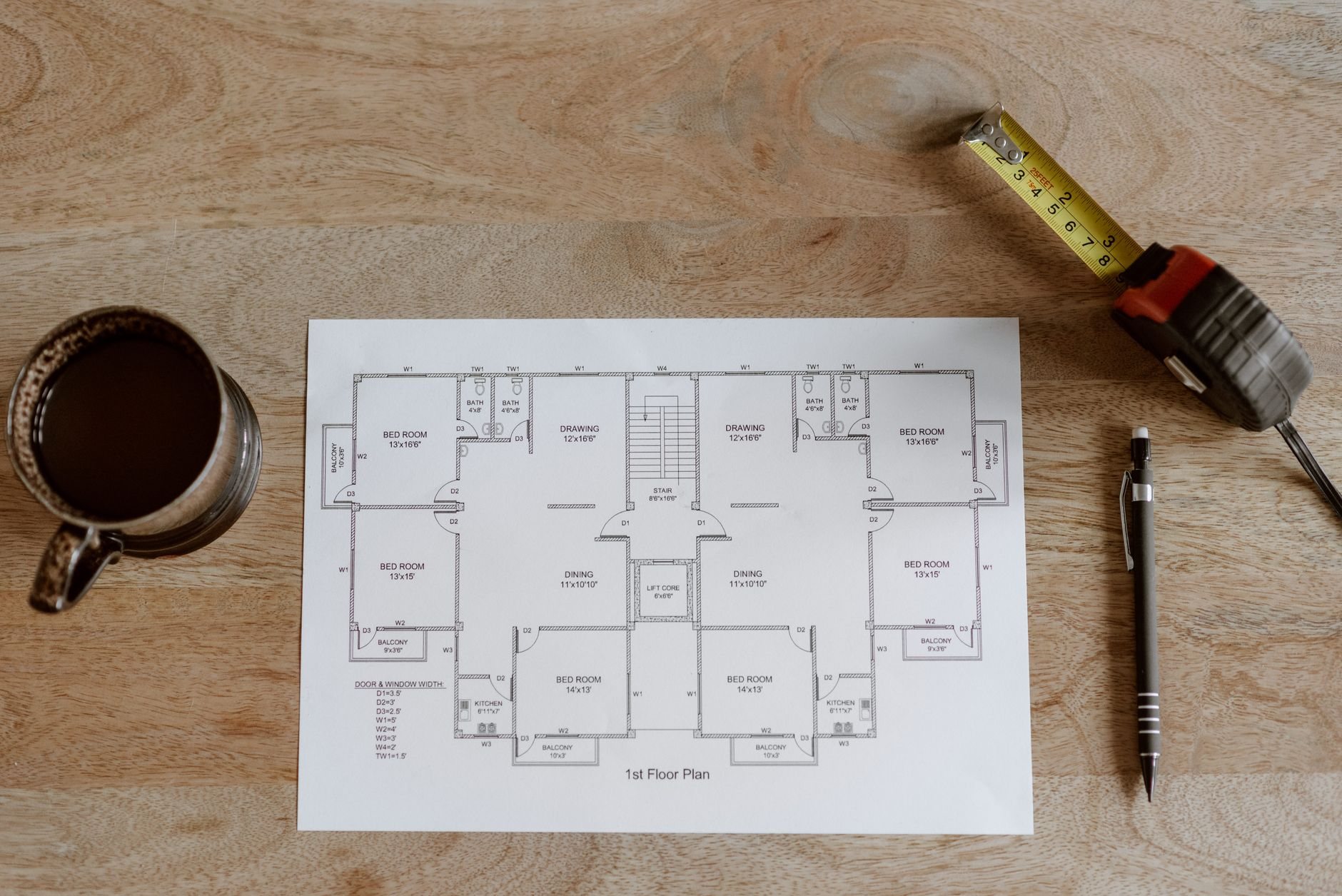
Which side of the table your construction manager sits on
Every construction contract has two sides, and only one has a professional builder on it by default. Owner-side CM fixes that imbalance: your general contractor still builds; Grandview manages everything the contract assigns to you — and holds the builder to everything it assigns to them.
The differences from our other delivery models matter. Under CM as agent, there is no general contractor at all — we procure trade contracts in your name and manage them for a fee. Under CM at-risk, we are the builder, holding the trade contracts and a guaranteed maximum price. Owner-side CM assumes a builder is already under contract to you, or about to be, and staffs your side of that relationship. If your project splits the work across several prime contractors instead of one, multi-prime coordination is the closer fit.
The nearest neighbor is owner’s representation, and the line between them is authority. A rep advises: reviews documents, flags problems, reports to you. An owner-side construction manager acts: we carry delegated authority — defined in writing, with dollar and scope limits you set — to approve routine submittals, schedule inspections, and reject non-conforming pay-application line items without a phone call for every small decision. If you want eyes, hire a rep. If you want hands, this is the page.
What the work involves on your side of the contract
The owner’s side of a construction contract is busier than most owners expect. Before award, we review the agreement and its exhibits for completeness — drawings listed by revision date, a schedule of values that isn’t front-loaded, allowances stated with quantities rather than adjectives — and verify the builder’s license standing at dopl.utah.gov before you sign. Grandview builds under a Utah DOPL B100 general contractor license ourselves, which is why we know what a well-papered contractor file looks like.
During construction, the recurring work is disciplined rather than dramatic: chairing the weekly owner–architect–contractor meeting, running your decision log so selections land before they hold up the field, reviewing each pay application against verified progress on site rather than the invoice’s optimism, and pricing every change order against real cost data before it’s signed. Change-order scrutiny earns its keep in Utah right now: the state adopted updated I-codes effective July 2026, and work bid to the old edition is a recurring source of “code upgrade” changes that deserve a line-by-line look, not a signature.
We also manage the scope that belongs to you outright — owner-furnished equipment, specialty fixtures, direct-purchased materials — so deliveries land when the schedule needs them instead of becoming the builder’s favorite delay excuse. At closeout, we run the punch process, collect lien waivers against every payment, and don’t release retainage until warranties and as-builts are in your hands.

How an owner-side engagement runs
- Baseline. We read the contract, drawings, budget, and schedule as they actually stand and give you a written read on where the risk sits.
- Authority matrix. We agree in writing what Grandview decides alone, what we recommend, and what only you sign. Typical split: we handle routine submittals and schedule logistics; you approve money and design.
- Cadence. Weekly OAC meetings, a living decision log with due dates, and monthly reporting that reconciles cost, schedule, and percent-complete in one document.
- Enforcement. Pay applications verified on site before approval, change orders priced independently, and inspections tracked to closure. In fast-growth cities like Lehi, Saratoga Springs, and Eagle Mountain, we build real plan-review and inspection lead times into the look-ahead schedule.
- Closeout. Punch, lien waivers, warranty package, as-builts, retainage release — in that order, not all at once.

What does owner-side construction management cost in Utah?
On mid-size Utah projects, owner-side CM commonly runs 2–4% of construction cost, or a monthly fee scaled to the project phase — heavier during buyout and closeout, lighter mid-construction. Treat those as ballpark planning numbers: the real figure depends on meeting cadence, owner-furnished scope, and how clean the contract we inherit is.
What moves it up: a distressed project we join mid-stream, multiple prime contracts, occupied-building phasing, and heavy owner-furnished procurement. What moves it down: one contractor, one site, a decision-ready owner. One line item we always pressure-test is the geotechnical contingency — much of the Wasatch Front sits on expansive clay or collapsible soils, and a builder’s change order for “unforeseen soil conditions” reads very differently depending on what the geotech report actually foresaw.
Questions we actually get
How is this different from owner’s representation?
Authority. An owner’s rep advises and reports; you still execute everything yourself. An owner-side construction manager carries delegated authority — with written limits — to act on routine matters and manage your obligations day to day. If your builder is solid and you have time, a rep is cheaper.
Do you replace my general contractor?
No. Your contractor keeps building, keeps their contract, and keeps responsibility for means, methods, and site safety. We manage your side: decisions, approvals, payments, and holding their work and billing to the contract. Most competent builders prefer it — decisions arrive on time and pay applications get processed predictably.
What do you need from me for this to work?
Two things: a signed authority matrix so everyone knows what we can approve, and your availability for the decisions we can’t — money and design. We queue those with due dates and context, but a stalled owner decision stalls the project no matter who manages it.
What drives the fee up or down?
Duration and mess, mostly. A clean single-contractor project with a decisive owner sits at the low end of the 2–4% ballpark. Joining mid-project, untangling disputed change orders, managing owner-furnished equipment, or coordinating multiple primes pushes it up. We state the fee in writing before you sign.
Owner-side CM is one of several ways to structure a project with our construction management group, part of planning and project management. If you’d rather have one firm carry the whole build instead of managing your side of someone else’s, start there.
Tell us what you’re working on
We reply within a couple of hours during business hours — a day at most. You’ll get a straight read on scope, sequence, and budget before anyone commits to anything.