
Multi-Prime CM Coordination
In a multi-prime project, the owner signs separate contracts with several prime contractors — sitework, structure, mechanical, electrical, finishes — and a construction manager coordinates them. Grandview provides that coordination under a Utah DOPL B100 license for owners who want direct trade contracts without carrying the scheduling and scope-gap risk alone.
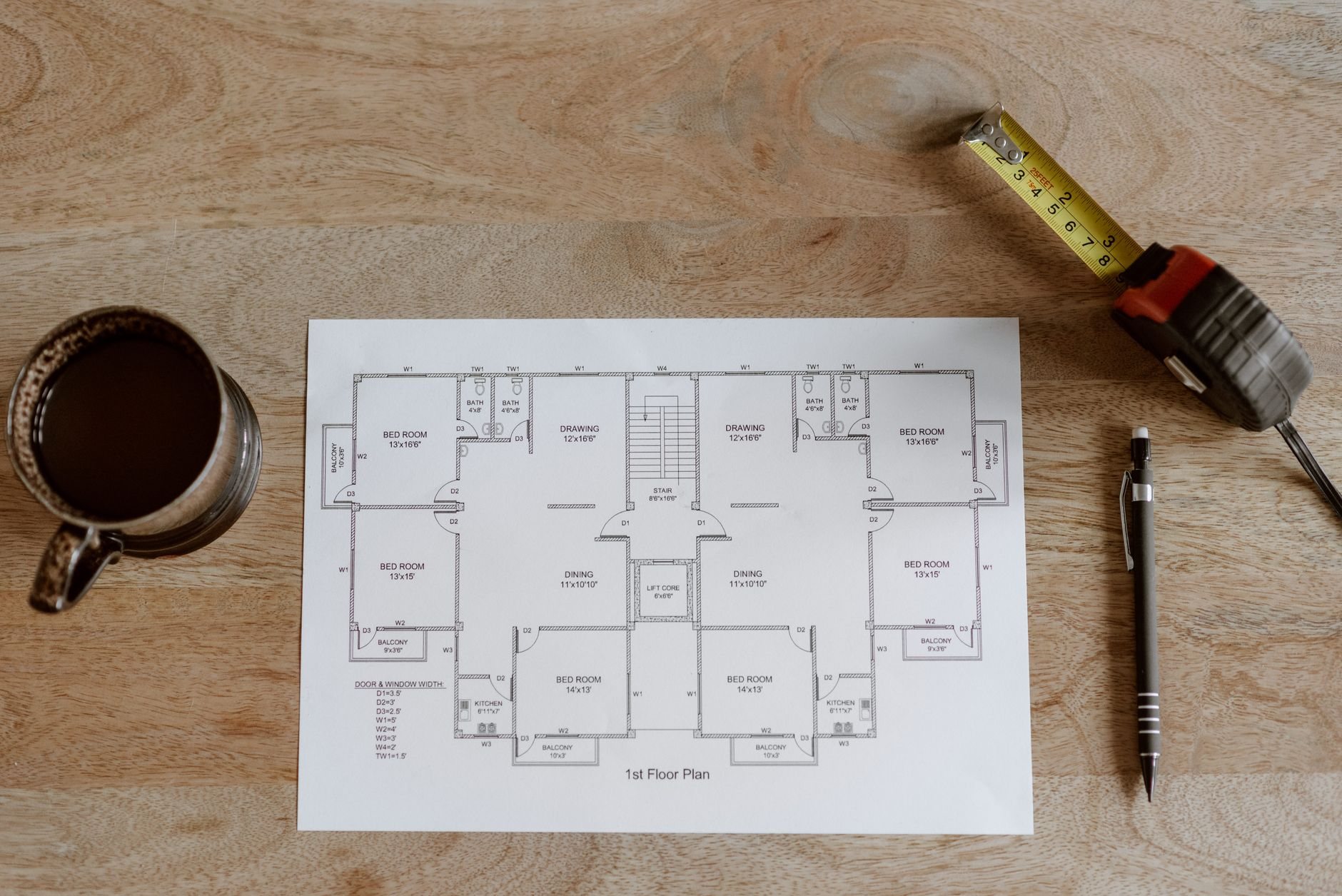
When multi-prime is the right structure
Multi-prime fits owners who have a reason to hold trade contracts directly: a long-lead package that must be bought before design finishes, an existing relationship with a contractor they intend to keep, a phased job where the sitework prime starts months before anyone prices the building, or a procurement policy that requires separately bid packages. Single-contract delivery would force those pieces into one bid on one date — and the calendar doesn’t cooperate.
If you want us to administer every trade contract in your name for a stated fee, that’s CM as agent — one management structure over many contracts you hold. If you want a builder to hold the contracts and cap your cost, that’s open-book CM at-risk. And if another builder is already running the job and you just want professional oversight of it, look at owner-side construction management. Multi-prime sits in between: several independent primes, each accountable directly to you, with Grandview accountable for making them behave like one project.
What the coordination work actually involves
The hard part of multi-prime isn’t managing any single contractor — it’s managing the seams between them, and nobody’s contract covers a seam unless the coordinator writes it in. Most of our work happens before the primes are signed.
- Package the scopes. We divide the project into bid packages and build a scope matrix: every line item assigned to exactly one prime, including the orphan scopes — temporary power, hoisting, dumpsters, final cleaning, weather protection — that single-contract projects bury in general conditions.
- Level and qualify. Bids get compared scope-for-scope, and every prime’s license gets verified at dopl.utah.gov before award — on a multi-prime job there’s no GC downstream doing that silently, so we do it for you.
- Write the interface milestones. Each prime’s contract carries dated handoff obligations to the next prime — pad certified by this date, structure dried-in by that one — so a delay has an owner, in writing, before it happens.
- Run the master schedule. One integrated schedule, weekly coordination meetings, and a single RFI and submittal log across all primes, so the electrician and the framer aren’t discovering each other’s work in the field.
- Referee and close out. We attribute delay and damage between primes with documentation rather than volume, sequence inspections across packages, and collect lien waivers, warranties, and as-builts from each prime into one closeout set.

Where multi-prime projects go wrong
Scope gaps, schedule float, and finger-pointing — in that order. When two primes each assume the other carries a scope, the owner pays twice: once as a change order, once as a delay. When the schedule has float, every prime believes it belongs to them. And when damage hits, primes with no contract between each other blame sideways. The coordinator’s job is to settle all three in the contracts, before mobilization.
Utah’s calendar sharpens the schedule problem. The Wasatch Front sees roughly 100-plus freeze-thaw days a year, so a sitework-and-concrete package that slips from October into December isn’t just late — it changes mix designs, curing protection, and cost for the structural prime behind it. And because much of the Front sits on expansive clay or collapsible soils, the geotechnical contingency has to live in one specific package — usually sitework — or every prime will call the over-excavation someone else’s problem.
Permitting is the third seam. Multi-prime jobs often pull permits per package, and plan-review behavior varies along the Front — fast-growth cities like Lehi and Saratoga Springs run heavy review volumes while Provo and Salt Lake City are more predictable — so permit submissions get sequenced per package, not assumed to land on one date.
What does multi-prime coordination cost in Utah?
Plan on coordination fees in the same 5–10%-of-construction-cost ballpark as agency construction management, and treat that strictly as a planning range — the fee is stated in writing before you sign anything. Multi-prime often lands in the lower half when primes carry their own supervision.
What moves the number up: more prime contracts (each adds an interface to manage), phased occupancy, and packages bought at different design stages. What moves it down: fewer, larger packages and a decisive owner. The honest tradeoff: multi-prime saves the general contractor’s markup, but you inherit the coordination risk that markup was paying for — our fee puts that risk back on a professional. If the math favors a single contract instead, we’ll say so and point you to the right structure within our construction management services.
Questions we actually get
Who is liable when one prime delays another?
By default, the owner — primes have no contract with each other, so a delayed prime claims against you. That’s the core risk of multi-prime, and we manage it two ways: dated interface milestones in every prime contract, and contemporaneous schedule documentation so delay gets attributed to the party who caused it, not the party who complained first.
How many prime contracts is too many?
There’s no fixed number, but each contract adds an interface, a permit trail, an insurance certificate, and a closeout package. On mid-size Utah projects, three to six primes is workable; a dozen small packages usually costs more in coordination than it saves in markup. We’ll recommend consolidating packages when the math says so.
Can you take over coordination of primes that are already under contract?
Usually, yes. We start by auditing the existing contracts for scope gaps and missing interface obligations, then build one integrated schedule from each prime’s commitments. Gaps we find get closed by change order now, at a known price, rather than discovered in the field at a disputed one.
Does multi-prime actually save money over hiring a GC?
Sometimes. You avoid the general contractor’s markup on trade work, which is real money on larger jobs. But you take on scope-gap and delay risk a GC would otherwise absorb, plus a coordination fee. It pencils best when packages are few and large, or when phasing forces early packages anyway — and we’ll show you both numbers before you choose.
Tell us what you’re working on
We reply within a couple of hours during business hours — a day at most. Bring the drawings you have and our planning and project management group will give you a straight read on packaging, sequence, and fee before anyone commits to anything.