
Fixture & hardware installation in Utah County
Fixture and hardware installation is the swap-and-mount half of a repair list: locksets, cabinet pulls, grab bars, TV mounts, faucets, and light fixtures, set into the right anchor or blocking. Grandview batches these installs into scheduled visits under a licensed, insured B100 general contractor, with licensed electricians and plumbers coordinated for the items the law reserves for them.
When an install visit is the right call
This page is for lists made of nouns: three door handles, a bathroom’s worth of accessories, twenty-two cabinet pulls, one ceiling fan. The item is chosen — you need someone to put it in straight, level, and anchored to hold.
If your list is mostly verbs — fixing what a previous contractor left unfinished — that’s our punch list and repair service. If the wall itself is the problem, holes and texture belong on drywall and paint patch repairs. And if “new faucet and towel bars” has quietly grown into a new vanity, mirror, and lighting scheme, price it once as a small remodel instead of a string of installs. Same crew, different scope.
What our crews install directly
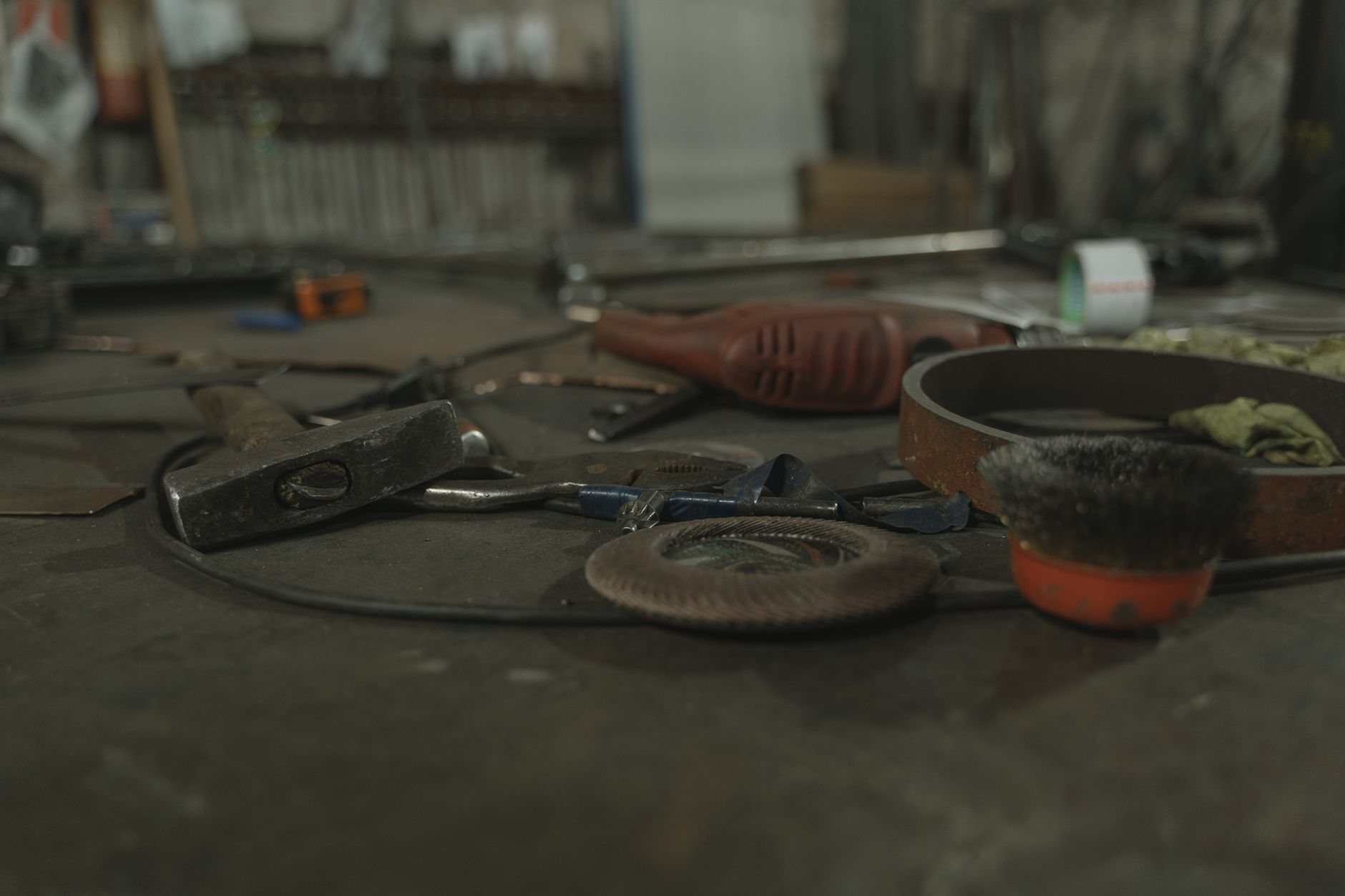
Anything that fastens without touching a wire or water line is carpenters’ work:
- Door hardware — locksets, deadbolts, smart locks, hinges, closers, and strike-plate adjustments so the new hardware actually latches
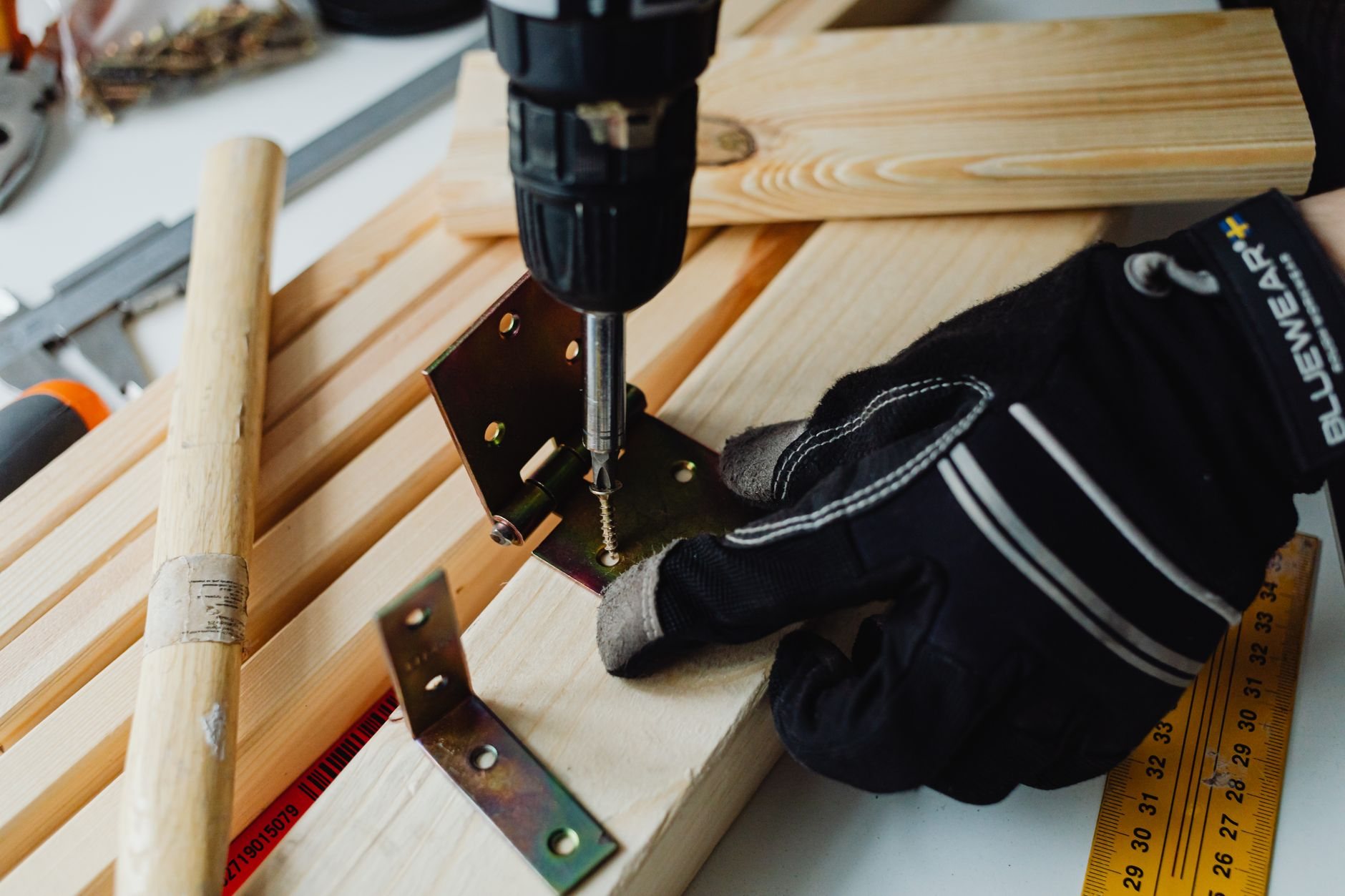
- Cabinet knobs and pulls, drilled with a layout jig so hole one and hole forty sit at the same height
- Bathroom accessories — towel bars, rings, hooks, and paper holders, set into studs or load-rated anchors, never bare drywall
- Grab bars mounted into blocking or engineered backing so they hold real body weight; where accessibility placement matters, we work to the ADA design standards
- TV mounts, mirrors, art, and shelving — stud-located, anchor-matched to the load, lag-bolted where the weight demands it
- Closet systems, curtain rods, blinds, house numbers, mailboxes, and exterior hardware
The judgment call is almost never the fixture — it’s what’s behind it. A 75-pound TV on an articulating arm puts real leverage on a wall, and along the Wasatch fault every heavy wall-mounted object is a seismic question: hit the studs, use hardware rated past the load, strap tall furniture while the drill is out. Anchoring is the cheapest earthquake preparation a house can buy.
Light fixtures, ceiling fans, and faucets
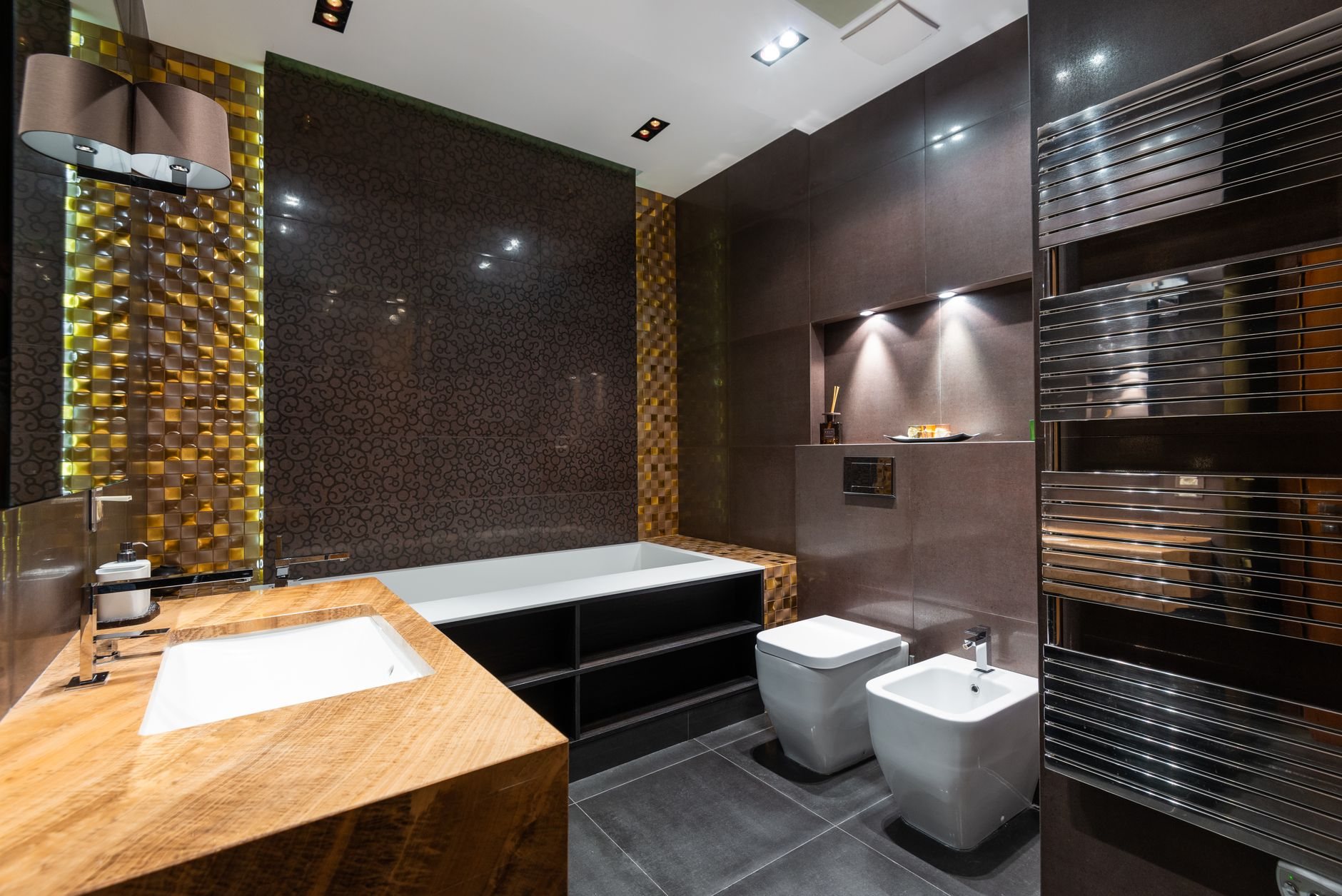
Utah law reserves electrical and plumbing work for licensed trade professionals, and fixture swaps sit inside that line. For light fixtures, ceiling fans, faucets, disposals, and shower valves, Grandview holds the contract and manages licensed electricians and plumbers — scheduled into the same visit as the carpentry items where we can, sequenced, and quality-checked. One list in, one invoice out. Our B100 license (Utah DOPL #14282236-5501) is verifiable at dopl.utah.gov.
Two local realities shape this half of the list. First, hard water: Wasatch Front water is mineral-heavy, and it eats faucet cartridges, aerators, and valve seals years ahead of the brochure schedule — which is why faucet swaps top the lists we’re sent. Second, the fan question: a ceiling fan can’t safely hang from a standard light box. It needs a fan-rated box anchored to framing, and often new switching — the kind of dependency we flag in the written scope, not discover on a ladder.
How an install visit runs
- Send the list. Photos of each location plus links or model numbers for the products you’ve picked. Haven’t picked? Say so — we’ll recommend.
- Get a written scope. Itemized pricing, with licensed-trade items flagged and any blocking or box upgrades called out in advance.
- One scheduled visit. Every product confirmed on site or in our truck before the day starts. Nothing stalls an install visit like a towel bar still in a warehouse.
- Close it out. Each item checked for level, torque, and operation, then photographed. Property managers get documentation formatted for their files.
What does fixture installation cost in Utah County?
As ballpark planning numbers only: within a batched visit, simple hardware items — a lockset, a towel bar, a set of blinds — typically run $30 to $75 each installed. Licensed-trade swaps land higher: roughly $150 to $350 for a standard light fixture or faucet, more for ceiling fans needing a fan-rated box or anything on a tall ceiling. Visits carry a half-day minimum, so a full list beats a lone item every time.
What moves the numbers: quantity (forty cabinet pulls price far better per pull than four), ceiling height and access, whether blocking exists or must be added behind grab bars and heavy mounts, and extraction — exterior hardware that has spent fifteen high-UV Utah summers seizing into its fasteners takes longer to remove than its replacement takes to install.
Questions we actually get
Do I buy the fixtures, or do you?
Either works. Most clients pick their own hardware and we install it — send links or model numbers so we can confirm specs and flag anything that won’t fit before the visit. If you’d rather not shop, we’ll source to your budget and itemize materials on the invoice.
Can you add a ceiling fan where there’s only a light fixture?
Usually, yes — but it’s more than a swap. Fans require a fan-rated box anchored to framing, and often separate switching for light and motor. A licensed electrician handles that under Grandview’s contract, coordinated into the same visit, with the box and switching question flagged in the written scope up front.
Can grab bars go into a tiled shower wall?
Yes, done properly. The bar must anchor into wood blocking behind the tile or engineered backing rated for body weight — never tile and drywall alone. We locate framing first, drill tile with bits that won’t crack it, and seal penetrations. If no blocking exists, we’ll price adding it honestly.
Why does installing a $40 towel bar cost more than the towel bar?
Because you’re buying the anchoring, not the bar: locating studs or setting load-rated anchors, level layout against your tile lines, and the trip itself — the real fixed cost. Batching is the fix: ten items on one visit spreads that trip across the whole list.
Send us the install list
Photos, locations, and product links are enough. We reply within a couple of hours during business hours — a day at most — with an itemized scope before anyone commits. The full small-job lineup lives under handyman services and our repair, restoration & property services hub.