
Integrated Project Delivery (IPD)
Integrated project delivery puts the owner, the design team, and the builder on one multi-party contract with a jointly set target cost, shared risk, and shared reward. Grandview signs as the builder party under a Utah B100 general contractor license — for owners of complex Utah projects who want every incentive at the table pointing the same direction.
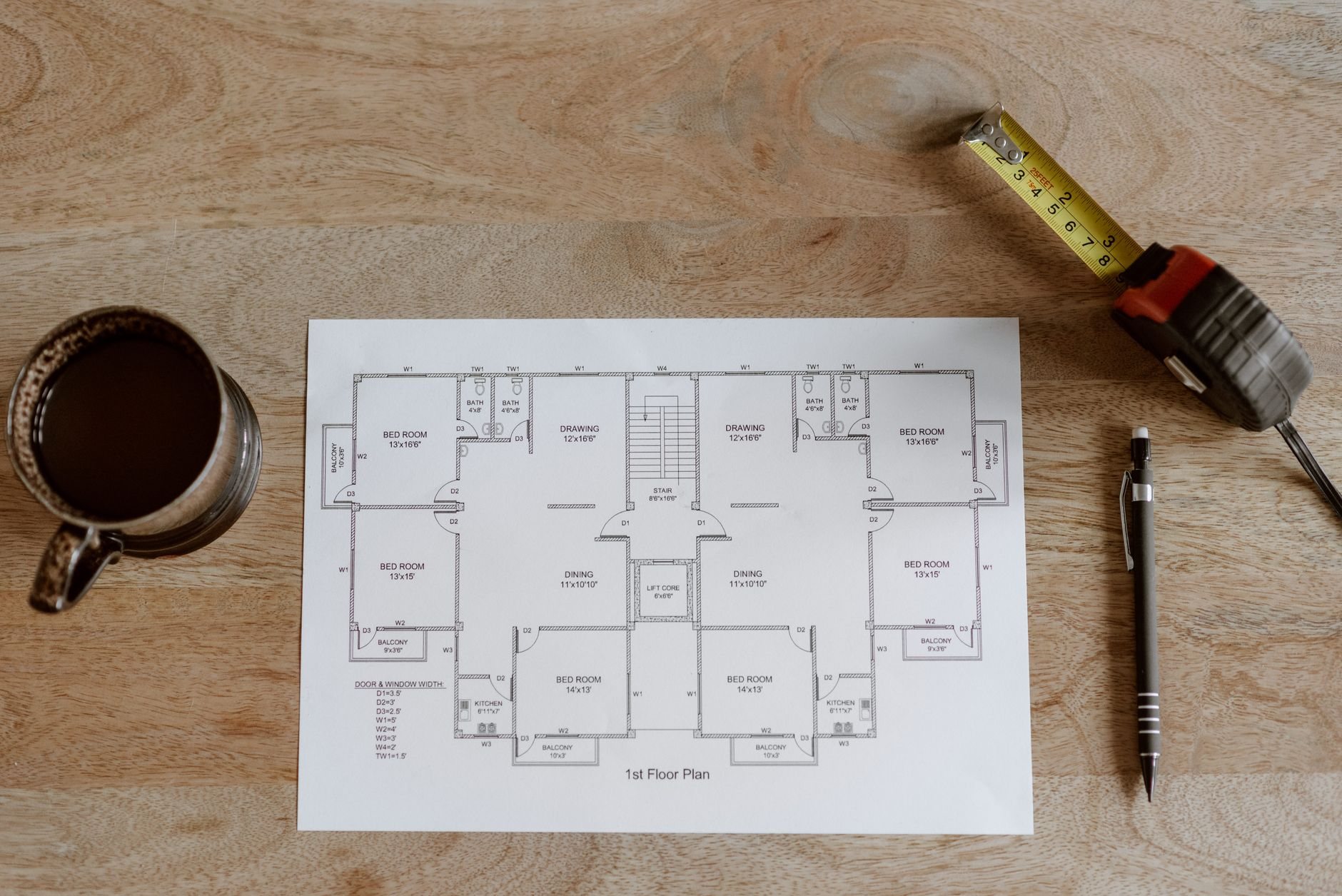
When IPD beats CM-at-risk or a GMP
Every other delivery model we offer is built from two-party contracts. In CM-at-risk, you hold one agreement with your architect and another with us, and we cap your exposure with a guaranteed maximum price. That structure works — but when something goes wrong at the seam between design and construction, each contract points at the other one. IPD removes the seam. Owner, architect, and builder sign a single agreement, decisions are made jointly, and most claims between the parties are waived by contract. Nobody wins by watching someone else fail.
IPD earns its overhead on projects where design and construction genuinely have to shape each other: ground-up commercial with an evolving program, technically dense buildings, phased work where sequencing drives design. For a well-defined scope, the collaboration machinery is cost without benefit — a straight GMP is the better buy, and we’ll say so. And if you want the collaborative working methods without restructuring the contracts, that’s our lean construction and collaborative delivery service — IPD is the contract those methods run best under, but they don’t require it.
What’s actually inside a multi-party IPD agreement
IPD isn’t a handshake culture — it’s specific contract mechanics, usually built on the AIA C191 or ConsensusDocs 300 families. The pieces that make it work:
- A validation phase. Before anyone commits to building, the team spends a defined study period testing whether the owner’s program can be delivered at the owner’s number. It ends with a go/no-go and a validated target cost — or an honest recommendation not to proceed.
- Three-tier compensation. Direct costs are reimbursed at actuals, open-book. Overhead and profit for the builder and designers go into an at-risk pool. If the project beats the target cost, the pool grows by an agreed share of savings; if it overruns, the pool shrinks before the owner pays more. Profit is the shock absorber — that’s the whole incentive engine.
- A joint management team. One representative from each signing party, deciding by consensus on a defined decision list, with an escalation path that doesn’t run through lawyers.
- Liability waivers. The parties waive most claims against each other, which is why the risk pool and the target cost have to be set honestly — there’s no litigation backstop to hide behind.
- Early trade involvement. Key trade partners price and plan the work while it’s still being drawn, in target value design clusters, instead of bidding a finished set.
The shared contingency deserves its own sentence, because in Utah it does real work. Much of the Wasatch Front sits on expansive clay or collapsible bench soils, and under a two-party contract a bad geotech surprise becomes a change-order fight. Under IPD it draws down a contingency the whole team sized together and the whole team is motivated to protect — because whatever’s left feeds the shared savings.
What does IPD cost in Utah?
Builder compensation on an IPD project looks like CM fees — commonly 5–10% of construction cost on mid-size Utah work, as a ballpark planning range — but the structure differs: that margin sits in the at-risk pool instead of being guaranteed, and the validation phase is a separately priced engagement, typically a few weeks to a few months of professional time depending on project size. Direct costs are reimbursed at actuals with no hidden markup, verified open-book.
What moves total cost up: an ambitious target set before the program is honest, many signing parties (each adds legal and coordination overhead), and long validation on a project that was never viable. What moves it down: the mechanism itself — permitting risk is a good example. Fast-growth cities like Lehi, Saratoga Springs, and Eagle Mountain run heavy plan-review volumes compared with Provo or Salt Lake City, and an IPD team sequences submittals around that reality jointly, because a review delay burns everyone’s profit, not just the owner’s schedule. Same with code currency: Utah adopted updated I-codes effective July 2026, and on an IPD job the designers and the builder validate the estimate to the same edition at the same table, instead of discovering the gap at bid day.
One honest caveat: multi-party agreements need legal counsel and insurance products that are familiar with IPD. Budget for both. A B100 license — ours is verifiable at dopl.utah.gov — qualifies the builder party; it doesn’t replace the paperwork.
Questions we actually get
What happens if an IPD project overruns the target cost?
The at-risk pool — the builder’s and designers’ profit and overhead — absorbs the overrun first, per the shares in the agreement. You keep paying direct costs at actuals, so the work doesn’t stop, but the team’s compensation shrinks. That’s deliberate: the people who control cost feel overruns before you do.
How is IPD different from design-build?
Design-build puts design and construction under one company’s roof and one price. IPD keeps the owner, an independent design team, and the builder as separate businesses who share a single contract, a target cost, and a risk pool. You keep an architect whose paycheck doesn’t come from the builder — with the builder’s cost knowledge in the room anyway.
Is a project ever too small for IPD?
Yes, often. Validation, joint management meetings, IPD-literate counsel, and multi-party insurance are fixed overhead, and below roughly the low seven figures they rarely pay for themselves. On smaller work we’d point you to CM-at-risk with a GMP, or to lean collaborative methods layered on a conventional contract.
Do the liability waivers mean nobody is accountable?
No — accountability moves from lawsuits to money at stake. Each party’s profit sits in the shared pool and erodes with poor performance, and the waivers carve out the things they should: fraud, willful misconduct, and warranty obligations survive. Third-party claims and statutory duties aren’t waivable in any case.
Where IPD sits among our delivery models
IPD is the most collaborative structure our construction management group offers, at one end of a spectrum that runs through cost-plus contracts with a GMP cap and conventional lump-sum work. If you’re not sure which fits, our planning and project management team will walk the options with you — including the ones that pay us less. We see dependencies before they become delays; IPD is simply the contract that pays everyone to do the same.
Tell us what you’re working on
We reply within a couple of hours during business hours — a day at most. You’ll get a straight read on whether IPD fits your project before anyone commits to anything.