
Flip-to-Sell New Construction
A flip-to-sell build is a ground-up house constructed for one purpose: resale at a margin, on a schedule your financing can survive. Grandview Contractors builds them across Utah County and the Salt Lake Valley under Utah DOPL B100 license #14282236-5501, for investors who want flip economics without someone else’s old walls.
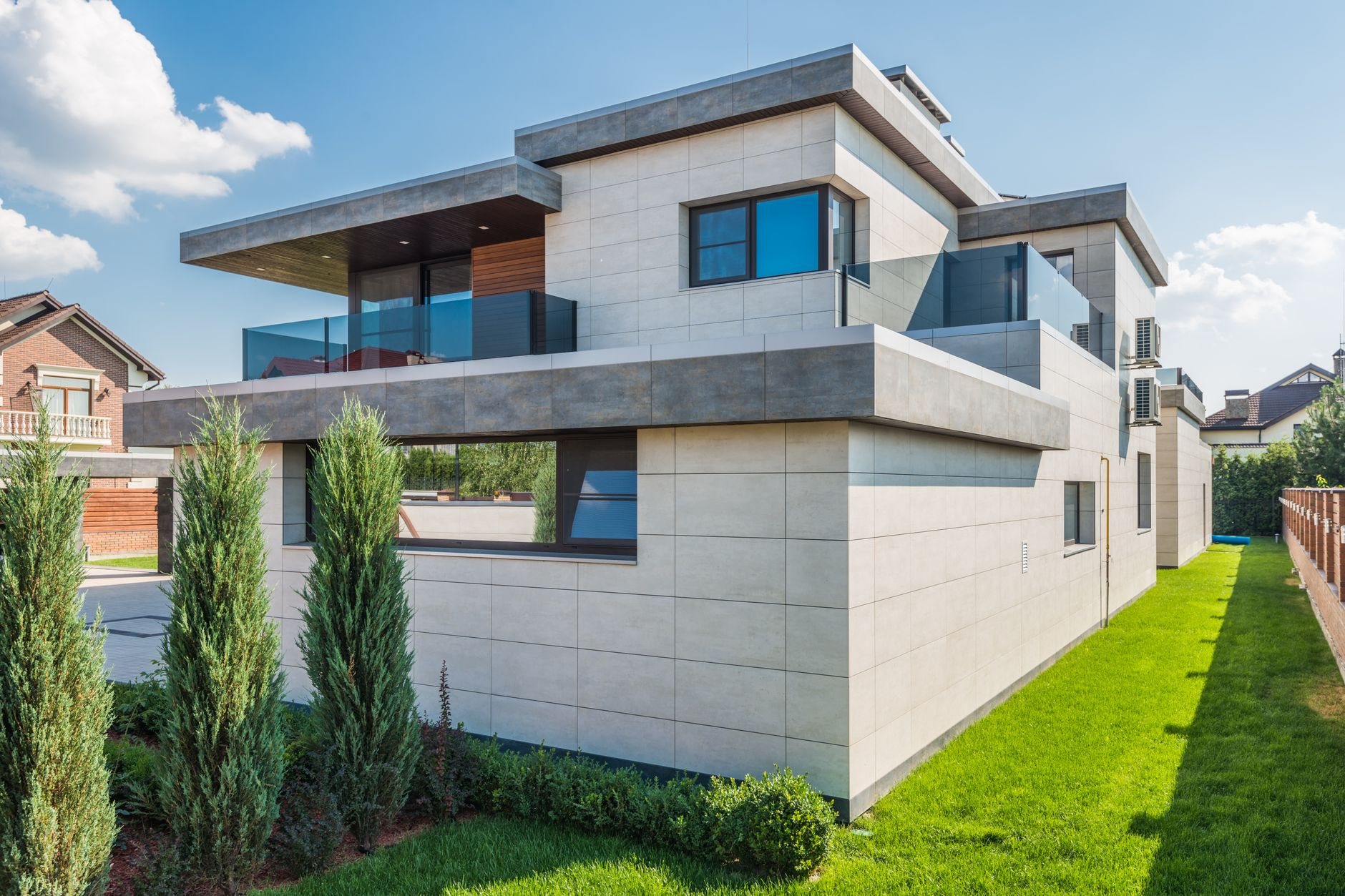
When building new beats flipping an existing house
Most flip investors start with renovation because the entry price is lower. The trade is uncertainty: every fixer-upper carries unknowns behind the drywall, and demo day decides whether your budget was real. A new-construction flip inverts that. The risk concentrates up front — in the lot price, the soils, and the city’s review pace — and once the foundation is in, the budget behaves. If your last flip lost its margin to rot or a foundation nobody scoped, that’s the argument for building the next one from dirt. When the existing house is worth keeping, our fixer-upper flip renovation service covers that version of the deal.
Within new construction, this page is about the exit strategy, not the lot type. If your parcel sits in an established Salt Lake City or Provo neighborhood with tight access, old utilities, or a teardown on it, read our infill lot spec homes page — same goal, different obstacle course. Building several houses a year rather than one deal at a time? The broader spec home building page describes how we work with small developers.
How we run a build when the exit date drives it
On a flip, the calendar is a budget line, so we plan backward from the listing date. Along the Wasatch Front that date matters: spring is when family buyers show up, and missing it by six weeks can mean carrying the house through a slower season.
- Price the exit first. Comps set the finished value; the finished value sets everything else. We help you back into a plan, square footage, and finish level the appraisal will support, before you commit to the lot.
- De-risk the dirt. A geotechnical report tells us whether the lot needs standard footings or engineered ones — on the bench soils common in Utah County, that swing can be the whole margin.
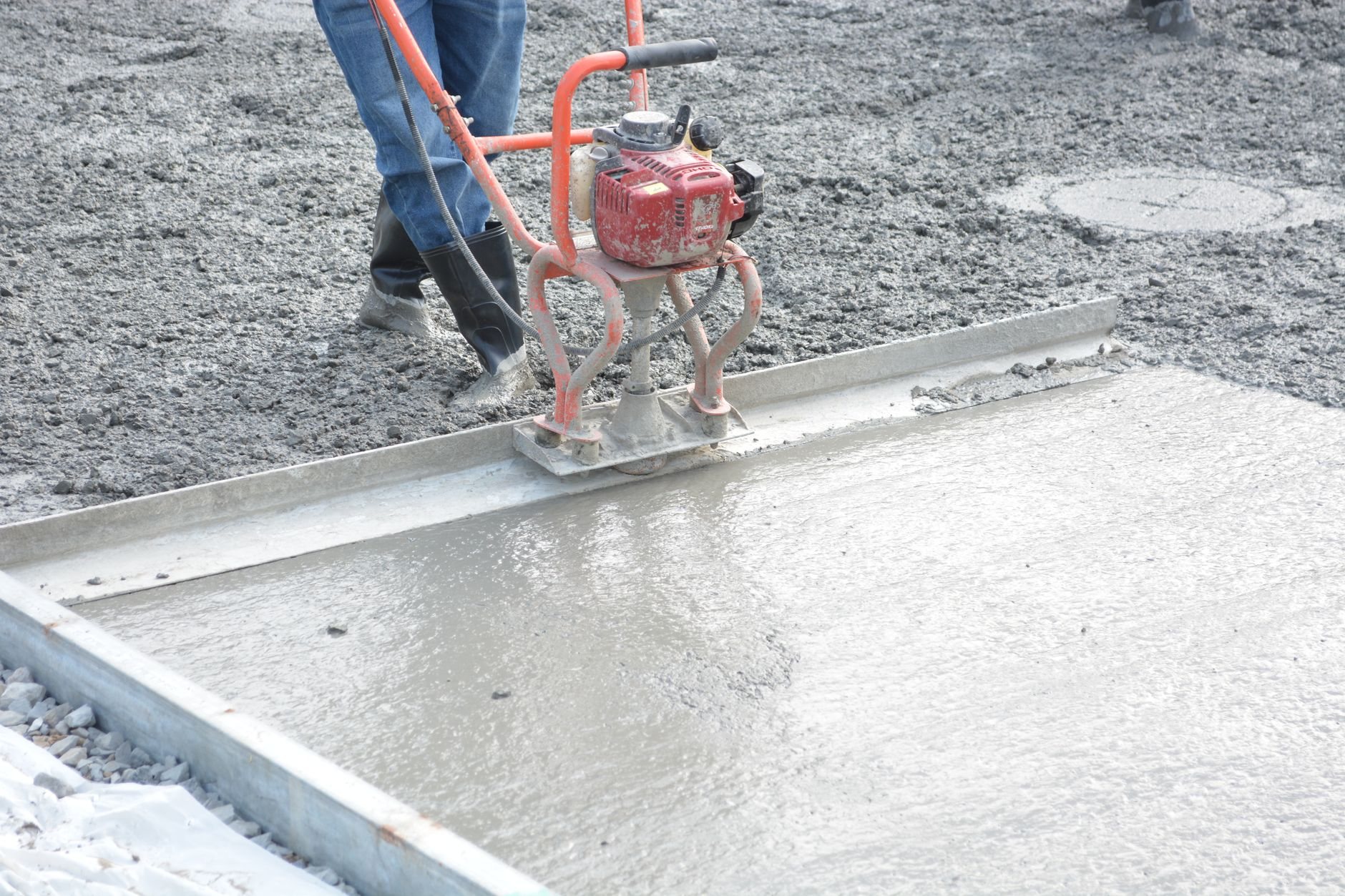
- Schedule the pour season. Foundations and flatwork can be placed in cold weather, but winter concreting adds cost for heating, blankets, and admixtures — and with 100-plus freeze-thaw days a year here, air-entrained mixes and cure protection aren’t optional. Sometimes the cheapest month to break ground isn’t the next one.
- Build in one sequence. Excavation, foundation, framing, envelope, systems, finishes. Electrical, plumbing, and HVAC are performed by licensed trade partners — Grandview holds the contract and manages them; we coordinate, sequence, and quality-check their work so the schedule stays one schedule.
- Deliver inspection-proof. Your buyer will hire an inspector, and that report is your negotiation. We close out permits, document the systems, and hand over a house that reads clean — a short repair addendum is real money.
Finishes the buyer and the appraiser both agree on
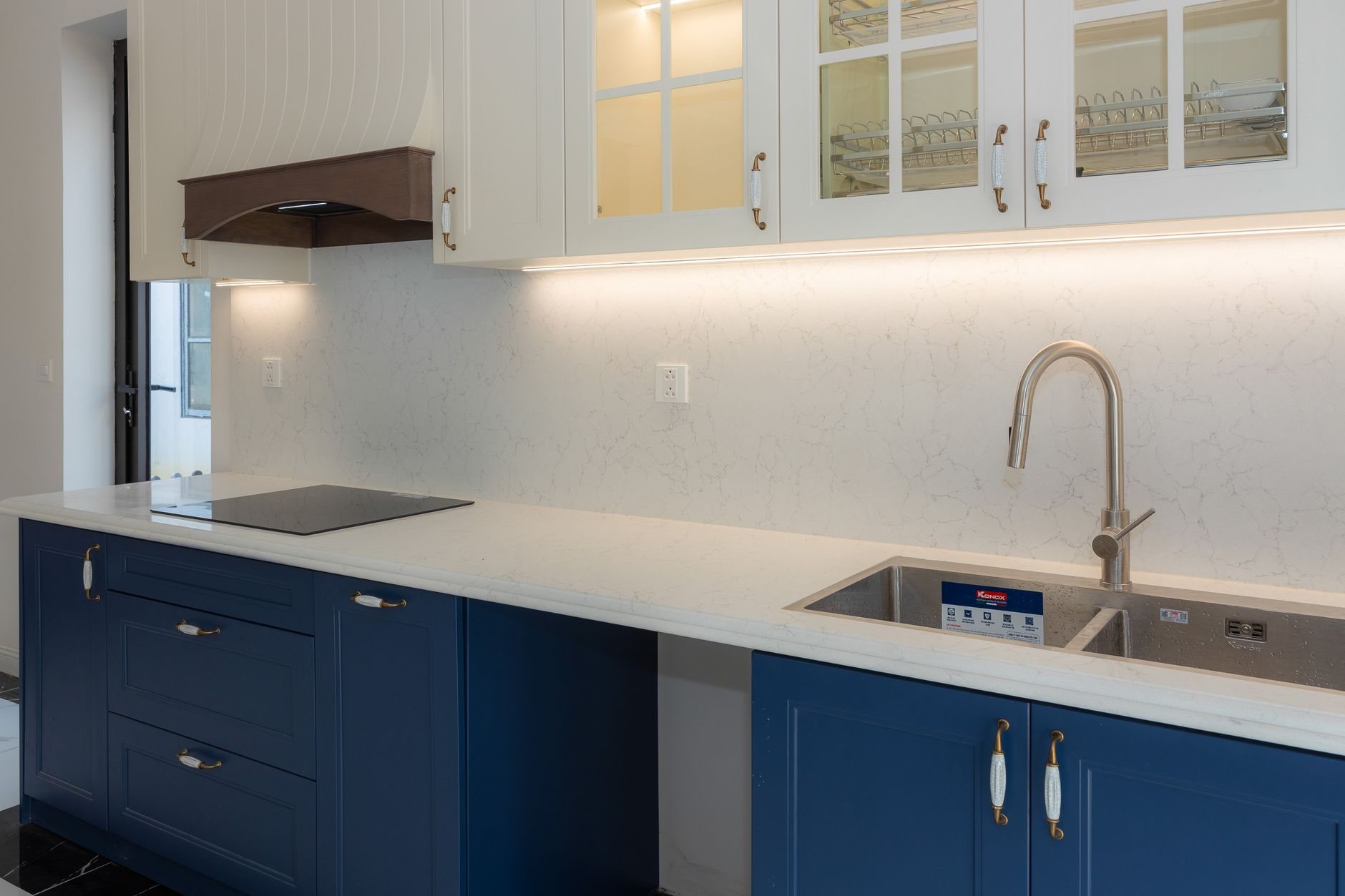
The classic flip mistake is over-improving. Every finish dollar has to come back at closing, and appraisers work from comps, not from your tile taste. We spec the kitchen, baths, and flooring to sit at the top of the neighborhood’s range without leaving it — durable mid-market packages that photograph well and survive showings.
A few cheap decisions punch above their weight with buyers’ inspectors here. We build in a passive radon rough-in as standard, since much of Utah’s geology produces elevated radon and the EPA recommends radon-resistant construction in new homes — a sub-slab pipe costs little during the build and answers a question before the buyer asks it. Same logic for flatwork drainage: a driveway that heaves its first winter is your reputation problem on a house with your name still in the county records.
What moves margin on a new-construction flip in Utah
Hard construction costs for a straightforward single-family build typically run $160–$250 per square foot in this market — a ballpark planning number, not a bid. But on a flip, the levers that decide the deal are usually elsewhere: the lot price, city impact and connection fees (which vary meaningfully between fast-growing Lehi, Saratoga Springs, and Eagle Mountain and established Provo or Salt Lake City), and above all, time. On borrowed money, every month of carry is interest, taxes, and insurance subtracted from your exit — which is why we’d rather hand you a conservative schedule we hit than an optimistic one we apologize for.
If you want the feasibility math done formally before you close on a lot — soils, fees, review timeline, and a defensible budget range — our planning and project management team does exactly that, and it’s the cheapest insurance in the whole deal. This work is part of our new construction practice across Utah County and Salt Lake County.
Questions flip investors actually ask
Is a new-construction flip more profitable than a renovation flip?
Not automatically — it’s a different risk shape. Entry cost is higher and the timeline is longer, but the budget is far more predictable, buyers pay a premium for new, and there’s no demo-day surprise. The comps decide, deal by deal.
How fast can you take a flip build from dirt to listing?
Plan on roughly 8 to 12 months: design and permitting first — a few weeks to a few months depending on the city — then 6 to 9 months of construction for a typical single-family plan. If a spring listing is the goal, count backward from March and we’ll tell you honestly if the math works, or if this is a fall-market build.
Can I sell the house before it’s finished?
Yes — many investors list during framing or drywall to shorten carry. Finish selections lock earlier and buyer walk-throughs get scheduled around trade work. If a buyer under contract wants changes, we price them as documented change orders so your margin stays visible.
What should I check before buying the lot?
Soils, utilities, zoning setbacks, and the city’s actual review pace — those four decide the budget before a plan exists. Send us the parcel during due diligence and we’ll give you a feasibility read. And if you’re vetting us, our B100 general contractor license is verifiable at dopl.utah.gov.
Run the deal past us before it’s a deal
We reply within a couple of hours during business hours — a day at most. You’ll get a straight read on the lot, the schedule, and a realistic budget range while you can still walk away. Problems happen. Surprises should not.